
Find the best budget Bluetooth speaker for under $100, balancing sound quality, portability, and durability without breaking the bank. This guide simplifies your search for affordable, high-performance audio.
Ready to stream your favorite tunes, podcasts, or movie soundtracks without emptying your wallet? Finding a great Bluetooth speaker that doesn’t cost an arm and a leg can feel like a challenge. So many options, so many confusing specs! But don’t worry, whether you’re looking for a portable companion for outdoor adventures or a little something to liven up your living room, there’s a fantastic budget Bluetooth speaker out there waiting for you. This guide is here to make choosing simple, showing you exactly what to look for to get the most bang for your buck.
We’ll walk through the key features, essential considerations, and some top picks that offer impressive sound and features at an affordable price. Get ready to discover how easy it is to upgrade your audio experience without a hefty price tag!
Why Choose a Budget Bluetooth Speaker?
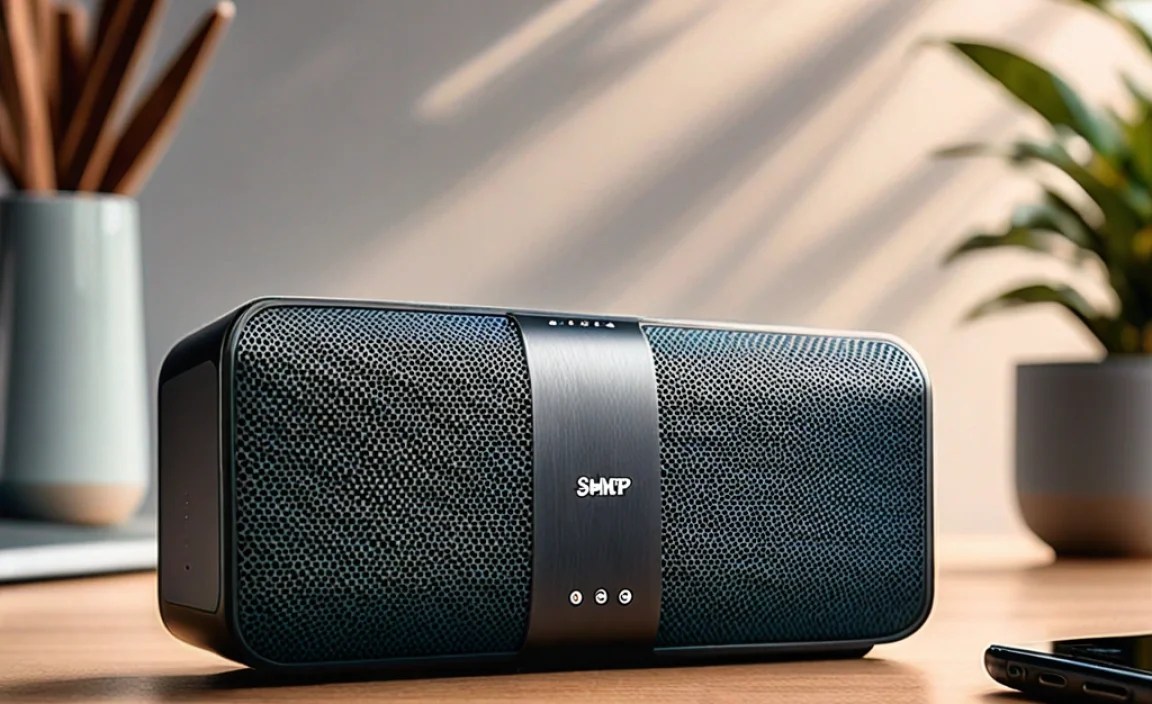
Let’s face it, premium audio gear can be incredibly expensive. High-end speakers might boast audiophile-grade sound, but they often come with price tags that put them out of reach for most of us. This is where budget Bluetooth speakers shine. They offer a sweet spot, providing good-to-great sound quality, essential features like portability and wireless connectivity, all at a price point that makes sense for everyday users.
These speakers are perfect for:
- Casual listening at home or in the yard.
- Taking your music to the park or beach.
- Adding sound to small gatherings.
- Students with limited living space and budgets.
- Anyone who wants great sound without a complex setup or huge investment.
The goal isn’t to replace a high-fidelity home stereo system, but to offer accessible, enjoyable sound for a variety of everyday scenarios. You can get surprisingly good audio performance these days without spending hundreds of dollars.
Key Features to Consider in an Affordable Bluetooth Speaker
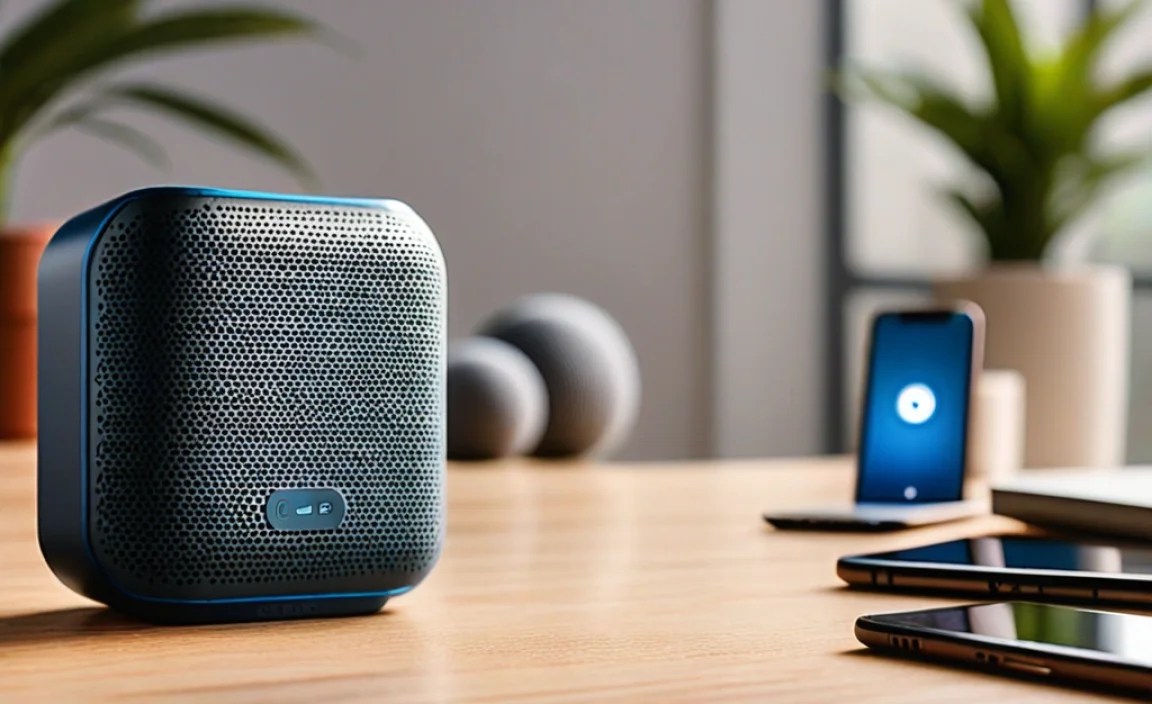
When you’re on a budget, it’s important to know where to focus your attention. Not every speaker will have every feature, so understanding what matters most for your needs will help you make the right choice. Here are the essential features to look for:
1. Sound Quality
This is often the most crucial aspect. Even on a budget, you want a speaker that sounds clear and balanced. Listen for:
- Bass Response: Does it have a decent kick without sounding muddy or distorted?
- Mid-Range Clarity: Can you clearly hear vocals and instruments?
- Treble: Is it crisp and clear, or does it sound harsh?
- Volume: Can it get loud enough for your intended use without significant distortion?
Don’t expect miracles, but listen to reviews and, if possible, try to hear a speaker in person. Sometimes, even budget speakers can surprise you with their clarity.
2. Battery Life
A speaker is only useful if it’s powered on. For portable speakers, battery life is paramount. Look for at least 8-10 hours of playback at moderate volume. Longer is always better, especially if you plan to use it for extended periods away from a power outlet.
3. Durability and Water Resistance
If you plan to take your speaker outdoors, near a pool, or in the kitchen, water resistance is a must. Look for an IP (Ingress Protection) rating. An IPX4 rating means it can handle splashes, while IPX7 means it can be submerged in water (up to 1 meter for 30 minutes). Even if you’re mostly indoors, a more robust build means it can withstand a few bumps.
| IP Rating | Protection Against | Example Uses |
|---|---|---|
| IPX4 | Splashing water from any direction | Kitchen, bathroom, light outdoor use in drizzle |
| IPX5 | Low-pressure water jets | Outdoor use, camping, poolside |
| IPX7 | Temporary immersion in water (up to 1 meter for 30 mins) | Poolside, shower, boat trips |
| IP67 | Dust tight and immersion in water (up to 1 meter for 30 mins) | Rugged outdoor use, beach, dusty environments |
4. Bluetooth Version and Connectivity
Most speakers today use Bluetooth 4.0 or higher. Newer versions like Bluetooth 5.0 or 5.1 offer better range, faster pairing, and more stable connections, often with improved power efficiency. Check the range – a good speaker should comfortably connect from 30-50 feet (10-15 meters) away.
5. Size and Portability
Do you need something pocket-sized, or a bit larger for better sound? Consider where you’ll use it most. Smaller speakers are easier to carry but might sacrifice some bass and volume. Larger ones can produce richer sound but are less portable.
6. Extra Features
- Speakerphone capability: Can you take calls directly from the speaker?
- Auxiliary input: A 3.5mm jack allows wired connections, a good backup.
- Multi-speaker pairing: Can you connect two speakers for stereo sound or a more immersive experience?
- Companion App: Some brands offer apps for EQ adjustments or firmware updates.
While these are nice to have, focus on the core features if your budget is tight.
Setting Your Budget: What to Expect for Under $100

The “budget” category for Bluetooth speakers can range from under $20 to around $100. While you can find ultra-cheap options, they often compromise significantly on sound quality, build, or battery life. For a genuinely good experience, aim for speakers in the $40-$100 range.
Here’s a general breakdown of what you can typically expect:
- Under $40: Basic functionality. Sound might be tinny or distorted at higher volumes. Battery life could be limited (4-6 hours). Often lacks water resistance. Good for occasional use in quiet environments.
- $40 – $70: The sweet spot for value. Decent sound quality, better battery life (8-12 hours), often with some level of water resistance (IPX4 or IPX5). More robust build.
- $70 – $100: Premium budget. Excellent sound quality for the price, good bass, clear mids and highs. Longer battery life (12-20 hours). Higher water resistance (IPX7) and durability. May include advanced features like multi-speaker pairing or companion apps.
Remember, sales and discounts are your best friend! Keep an eye out for deals, especially around holidays, as you can often snag a higher-tier speaker for a budget price.
How to Choose Your Budget Bluetooth Speaker: A Step-by-Step Approach

Now that you know the key features and what to expect price-wise, let’s get practical. Follow these steps to narrow down your choices and make a confident purchase.
Step 1: Define Your Primary Use Case
Where and how will you use the speaker most? Answering this will guide your priorities:
- For the outdoors (hiking, camping, beach): Prioritize durability, water resistance (IPX5 or higher), and long battery life. Portability is key.
- For around the house (kitchen, bedroom, small parties): Sound quality and aesthetics might be more important. A stable connection and decent volume are still crucial.
- For travel or dorm rooms: Compact size and portability are highly valued. Good battery life is also a plus.
- For the shower: Waterproofing (IPX7) is non-negotiable.
Step 2: Set Your Budget Limit
Decide on your absolute maximum spending limit. This helps filter out options that are just too expensive, even if they look appealing.
Step 3: Research Top Budget Brands and Models
Several brands consistently offer great value in the budget Bluetooth speaker market. Look for models from:
- JBL: Known for their Go, Clip, and Flip series, which offer good sound and durability.
- Anker Soundcore: Frequently praised for excellent price-to-performance ratio, offering robust features and solid sound.
- Sony: Their XB (Extra Bass) series can sometimes be found at good prices and offers punchy bass.
- OontZ: Often produces very affordable, simple, and surprisingly decent-sounding speakers.
- Tribit: Another brand gaining traction for offering quality features at competitive prices.
Read reviews from reputable tech sites like Rtings.com, CNET, or TechRadar. They often test and compare many models.
Step 4: Compare Key Specifications
Once you have a few potential models, compare them side-by-side based on the features we discussed earlier:
- Sound Quality (read/watch reviews focusing on this)
- Battery Life (check hours of playback)
- Water Resistance Rating (find the IP rating)
- Bluetooth Version (aim for 4.2 or higher)
- Weight and Dimensions (for portability)
- Connectivity Options (auxiliary port, USB-C charging)
Step 5: Read User Reviews, But Be Critical
Customer reviews on retail sites (Amazon, Best Buy, etc.) can offer real-world insights. However, be aware of:
- Overly positive or negative reviews: Look for balanced feedback.
- Reviews focusing on irrelevant issues: Someone complaining about shipping shouldn’t deter you if the product is otherwise good.
- Sound quality descriptions: These are subjective, so look for common trends (e.g., “muddy bass,” “clear vocals”).
Step 6: Consider Physical Design and Controls
Are the buttons easy to use? Does it look and feel sturdy? Some speakers have a more rugged, grippy texture, while others are sleeker. Pick one that appeals to your aesthetic and practical needs.
Step 7: Look for Sales and Bundles
Keep an eye on daily deals, holiday sales, and refurbished options. Sometimes, buying a “renewed” or “refurbished” unit from a trusted seller can save you a significant amount of money and still get you a great speaker with a warranty.
Top Budget Bluetooth Speaker Categories and Examples (Things to Watch For)

While specific models change frequently, understanding the types of budget speakers available can be very helpful. Here are a few popular categories and what to expect, along with representative features you might find in the sub-$100 price range:
1. The Ultra-Portable Pocket Rocket
What it is: Small, lightweight, often featuring a carabiner clip for attaching to a backpack. Ideal for personal listening or small spaces.
Features to seek:
- Compact and durable design.
- IPX5 or IPX7 water resistance.
- 6-10 hours of battery life.
- Bluetooth 4.2 or higher.
- Clear mid-range and treble, but bass will be limited due to size.
Examples: JBL Go series, Anker Soundcore Icon Mini, OontZ Angle 3.
2. The Everyday All-Rounder
What it is: A good balance of size, sound, and portability. These are your go-to for most situations.
Features to seek:
- Medium size, easy to carry but substantial enough for better sound.
- IPX5 or IPX7 water resistance.
- 10-15 hours of battery life.
- Bluetooth 5.0 for stable connection and range.
- Balanced sound with some decent bass.
- May include speakerphone capability or aux input.
Examples: JBL Clip series, Tribit StormBox Micro, Anker Soundcore 2.
3. The “Surprisingly Good Bass” Option
What it is: Designed with a focus on delivering a more powerful low-end response, often slightly larger than all-rounders.
Features to seek:
- Potentially larger driver size or passive radiators.
- Good battery life (12-20 hours).
- IPX5 or IPX7 water resistance common.
- Bluetooth 5.0.
- Solid mid-range and clear, impactful bass without too much distortion at moderate volumes.
- May support pairing two speakers for stereo.
Examples: Sony XB13, Anker Soundcore Motion+ (often dips below $100 on sale), Tribit StormBox.
4. The Rugged Outdoor Companion
What it is: Built to withstand the elements and rough handling. Often chunky, rubberized, and highly water-resistant.
Features to seek:
- Extreme durability (drop-tested, rubber bumpers).
- High water and dust resistance (IP67 is ideal).
- Long battery life (15+ hours).
- Loud enough for outdoor environments.
- Often has a loop or strap for easy carrying.
Examples: JBL Charge series (watch for sales), Anker Soundcore Flare 2, OontZ Angle 3 ULTRA.
Understanding Audio Terms (Simplified!)
You might see terms like “drivers,” “frequency response,” and “impedance.” Here’s a super simple breakdown:
- Drivers: These are the actual speaker components that produce sound. More drivers, or larger drivers, can sometimes mean better sound, but design is crucial.
- Frequency Response: Measures the range of sounds a speaker can produce, from low bass (Hz) to high treble (kHz). A wider range (e.g., 60Hz – 20kHz) is generally better, but the quality within that range matters more for budget speakers.
- Wattage (W): Indicates the power output. Higher wattage generally means louder volume. Budget speakers are commonly in the 5W to 20W range.
For budget speakers, don’t get too bogged down in these specs. Focus on reviews that describe the sound experience clearly.
Maintaining Your Budget Bluetooth Speaker
Taking good care of your speaker will ensure it lasts longer and performs well. Here are some simple tips:
- Keep it clean: Wipe down the exterior with a dry or slightly damp cloth. Avoid harsh chemicals. Ensure charging ports are free of dust and debris.
- Protect from extreme temperatures: Don’t leave your speaker in a hot car or direct sunlight for extended periods, as this can damage the battery and internal components.
- Charge responsibly: While most modern speakers have good battery management, avoid letting them sit completely discharged for very long periods. If you often use it plugged in, check if the manufacturer has specific advice to prevent battery degradation.
- Handle with care: Even rugged speakers have limits. Avoid dropping them from significant heights if possible.
- Ensure ports are dry: Before charging a speaker with a water-resistance rating, make sure its charging port is completely dry to prevent damage.
Frequently Asked Questions (FAQ)
Q1: What is the minimum battery life I should expect from a good budget Bluetooth speaker?
A1: For a good budget Bluetooth speaker (around $50-$100), aim for at least 8-10 hours of playback on a single charge. Many excellent options offer 12-20 hours.
Q2: Do I need a speaker with a high IP rating if I only use it indoors?
A2: Not usually. If you’re strictly using it in a dry environment like your living room or bedroom, an IPX4 rating (splash resistant) is more than sufficient, and many budget speakers may not even have a rating. However, if it might encounter kitchen spills or bathroom humidity, a higher rating is beneficial.