
To get the best bass from your wireless speaker, choose one with a larger driver size, a ported design, and support for advanced audio codecs. Look for features like “bass boost” or adjustable EQ to enhance low frequencies. Understanding these elements ensures a powerful, satisfying sound experience.
Hey there, audio adventurers! Bob E Riley here, your guide to all things sound. are you dreaming of a wireless speaker that delivers that deep, thumping bass you love? You know, the kind that makes your music feel alive and your movies more immersive? Many of us have been there, hooking up a sleek, modern speaker only to be met with a surprisingly weak, muddy low-end. It’s a common frustration, especially when you’re just trying to enjoy your favorite tunes or get lost in a game. But don’t worry! It’s totally possible to find a wireless speaker that packs a serious bass punch, and I’m here to walk you through exactly how to do it. We’ll break down what makes for great bass in a wireless speaker, so you can make a choice that truly rocks. Get ready to find your perfect bass-ful wireless companion!
Understanding Wireless Speaker Bass: It’s Not Just About Volume

When we talk about “bass” in a wireless speaker, we’re not just talking about how loud it can get. We’re talking about the richness, depth, and punch of the low-frequency sounds – the rumble of a bass guitar, the kick drum in a beat, the thunderclap in a movie scene. These are the sounds that give audio its fullness and emotional impact. Many small, portable wireless speakers struggle to reproduce these low frequencies effectively because they simply don’t have the physical components or the engineering to do so.
Achieving impressive bass from something that doesn’t need a cable involves a few key considerations. It’s a combination of the speaker’s internal design, the technology it uses, and even how you place it. For beginners, this might seem a bit technical, but think of it like choosing a car: you wouldn’t just pick the one that looks coolest; you’d consider the engine size, the suspension, and how it handles the road. The same applies to wireless speakers and their bass capabilities. We’ll unpack the crucial elements that contribute to powerful, wireless bass so you can make an informed decision and truly elevate your listening experience.
The Anatomy of Awesome Bass: What to Look For

Getting great bass from a wireless speaker isn’t magic; it’s science and smart design. Several factors work together to produce those satisfying low-end frequencies. Let’s break down the essential components and features that make a wireless speaker sing with bass.
Driver Size Matters: Bigger is Often Better
The “driver” is the actual speaker cone that moves air to create sound. For bass, this is especially important. Think of it like the diaphragm on a microphone; the larger it is, the more air it can move. More air movement generally means deeper, more resonant bass.
- Subwoofers: The holy grail for bass. If a speaker has a dedicated subwoofer (a driver specifically designed for low frequencies), you’re already in for a treat. Many all-in-one wireless speakers won’t have this, but some larger, premium models do.
- Mid-bass Drivers: For speakers without a dedicated subwoofer, the main drivers need to be substantial enough to handle both mid-range and bass frequencies. Look for drivers in the 3-inch to 6-inch range for decent bass. Anything smaller will likely struggle.
- Passive Radiators: These are like speakers without the magnet and voice coil. They are unpowered but vibrate along with the powered drivers, amplifying bass frequencies and making smaller enclosures produce surprisingly good low-end. A lot of impressive compact wireless speakers use these.
Ported vs. Sealed Enclosures: The Airflow Equation
The box the speaker drivers sit in (the enclosure) plays a huge role in how bass sounds. There are two main types of enclosures relevant to bass performance:
- Sealed (Acoustic Suspension): These are airtight boxes. They tend to produce very tight, accurate bass, but often at the expense of overall output and depth. They are generally found in more audiophile-oriented, smaller speakers.
- Ported (Bass Reflex): These enclosures have a hole or tube (a port) that allows air to move in and out. This port is tuned to resonate with the driver, effectively boosting bass output and extending the low-frequency response. This is common in speakers designed for more impactful bass. The tuning of the port is critical; a poorly designed port can cause “chuffing” or muddy bass.
Power and Amplification: The Engine Behind the Sound
Bass frequencies require more power to reproduce effectively than higher frequencies. The amplifier inside the wireless speaker dictates how much power it can deliver to the drivers. A more powerful amplifier will allow the drivers to move with more force and control, leading to stronger, cleaner bass. When looking at specifications, don’t just look at wattage; consider how it’s applied. A speaker marketed with high wattage but a single small driver might not perform as well as a speaker with slightly less wattage but a larger driver and better amplification.
Understanding Audio Codecs: The Digital Bridge
Your wireless speaker connects to your device (phone, tablet, computer) via Bluetooth. The audio data is compressed and sent over this connection. The “codec” is the technology that handles this compression and decompression. Some codecs are better than others at preserving audio quality, including the nuances of bass frequencies. For a truly bass-rich wireless experience, look for speakers that support advanced codecs:
- SBC: The most basic and universally compatible codec. It’s not great for high-fidelity audio, and bass can suffer.
- AAC: Commonly used by Apple devices. It’s better than SBC for preserving detail, including bass.
- aptX, aptX HD, aptX Adaptive: These Qualcomm codecs are known for providing near CD-quality audio over Bluetooth, with significantly improved bass response and detail compared to SBC or AAC.
- LDAC: Sony’s high-resolution audio codec. It can transmit significantly more data than other codecs, offering excellent dynamic range and very impactful bass.
You’ll need both your wireless speaker and your source device (your phone, for example) to support the same advanced codec to take advantage of it. Your phone’s Bluetooth settings can often tell you which codec is currently in use.
Frequency Response: The Bass Range
Every speaker has a “frequency response” rating, usually expressed as a range (e.g., 50 Hz – 20 kHz). This indicates the range of sound frequencies the speaker can reproduce. For good bass, you want the lower number to be as low as possible. A speaker rated at 50 Hz will produce deeper bass than one rated at 80 Hz. While many specifications might not be entirely accurate, a lower starting number is a good indicator of bass potential. Remember, to truly feel the bass, frequencies typically need to be below 100 Hz, with sub-bass frequencies hitting below 60 Hz.
Features That Enhance Wireless Bass
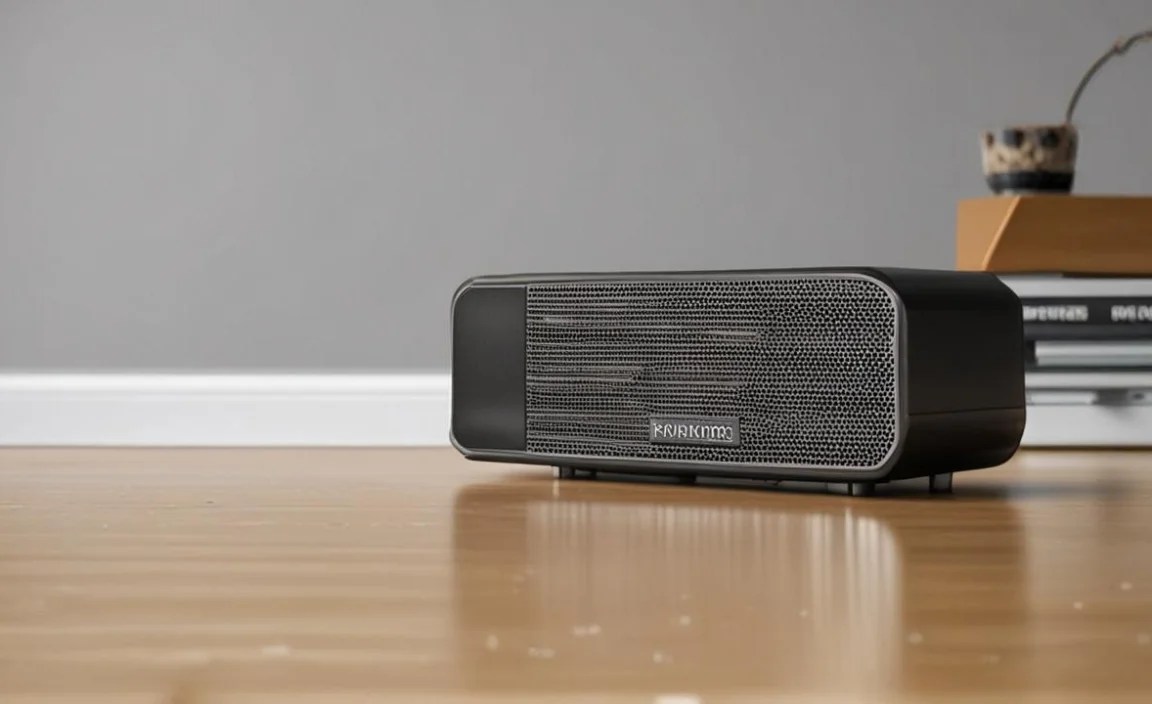
Beyond the core components, manufacturers add specific features to push the bass performance of their wireless speakers. These can make a noticeable difference, especially in compact or mid-sized models.
Bass Boost and EQ Settings
Many wireless speakers come with dedicated “bass boost” buttons or settings within their companion apps. These settings electronically increase the output of low-frequency sounds. Some speakers offer tunable equalization (EQ) settings, allowing you to manually adjust bass levels to your preference. This is a fantastic way to customize the sound, especially if the default bass is a bit too subtle for your liking.
DSP (Digital Signal Processing)
Modern wireless speakers use DSP to optimize sound. This can include algorithms that enhance bass response, prevent distortion at higher volumes, and even adjust sound based on placement. High-end processors can do remarkable things, making smaller speakers punch well above their weight class in terms of bass. Look for brands that highlight their DSP technology.
Stereo Pairing and Multi-room Audio
While not directly about bass output from a single speaker, pairing two identical wireless speakers in stereo mode can significantly enhance the perceived bass. With two speakers working together, the soundstage opens up, and bass can feel fuller and more dynamic. Similarly, some systems allow you to group multiple speakers, and if those speakers have good individual bass, the overall effect can be quite immersive. This is a great way to fill a larger space with robust sound.
Water Resistance and Durability
While not directly related to sound quality, many wireless speakers that excel in bass are also built for outdoor or portable use. Look for certifications like IPX7, which means the speaker is waterproof. This is handy for pool parties, beach trips, or even just using it in the bathroom, where you might want that extra audio oomph.
Choosing the Right Wireless Speaker for Bass: A Comparison

To help you visualize, let’s compare a few hypothetical scenarios of wireless speakers based on their intended audience and their likely bass performance. This isn’t about specific brands, but rather the general types of speakers you’ll encounter.
| Speaker Type | Typical Driver Size(s) | Enclosure Type | Key Bass Features | Best For | Bass Performance Expectation |
|---|---|---|---|---|---|
| Ultra-Portable Mini Speaker | 1 x 1.5″ – 2″ full-range driver, possibly passive radiators | Sealed or small ported | DSP for volume compensation | Backpack, desk, personal listening | Light to moderate. Lacks deep rumble. Clear mids and treble are prioritized. |
| Compact All-Rounder Bluetooth Speaker | 2 x 2″ – 3″ full-range drivers and 1-2 passive radiators | Ported (often dual ports) | Bass boost modes, app EQ, durable build | Small to medium rooms, gatherings, outdoor use | Good, surprisingly punchy for its size. Noticeable mid-bass. May lack true sub-bass. |
| Larger Portable Party Speaker | 2 x 3″ – 4″ drivers + 1 x 4″ – 6″ passive radiator or subwoofer | Large ported enclosure | Powerful amplification, advanced DSP, stereo pairing | Outdoor parties, larger rooms, events | Strong, deep bass. Can fill a space. Capable of feeling the sub-bass frequencies. |
| Home Wireless Speaker (Soundbar/Stationary) | Multiple drivers (e.g., 2 x woofers, 2 x tweeters) or dedicated subwoofer | Sealed or complex ported designs | Advanced EQ, room calibration, support for high-res codecs | Home entertainment, dedicated listening spaces | Excellent. Deepest, most powerful, and most controlled bass. Designed for full-range reproduction. |
As you can see, size and dedicated components are strong indicators. If deep, resonant bass is your priority, you’ll likely be looking at the larger portable options or dedicated home wireless speakers.
Placement is Key: Maximizing Your Bass
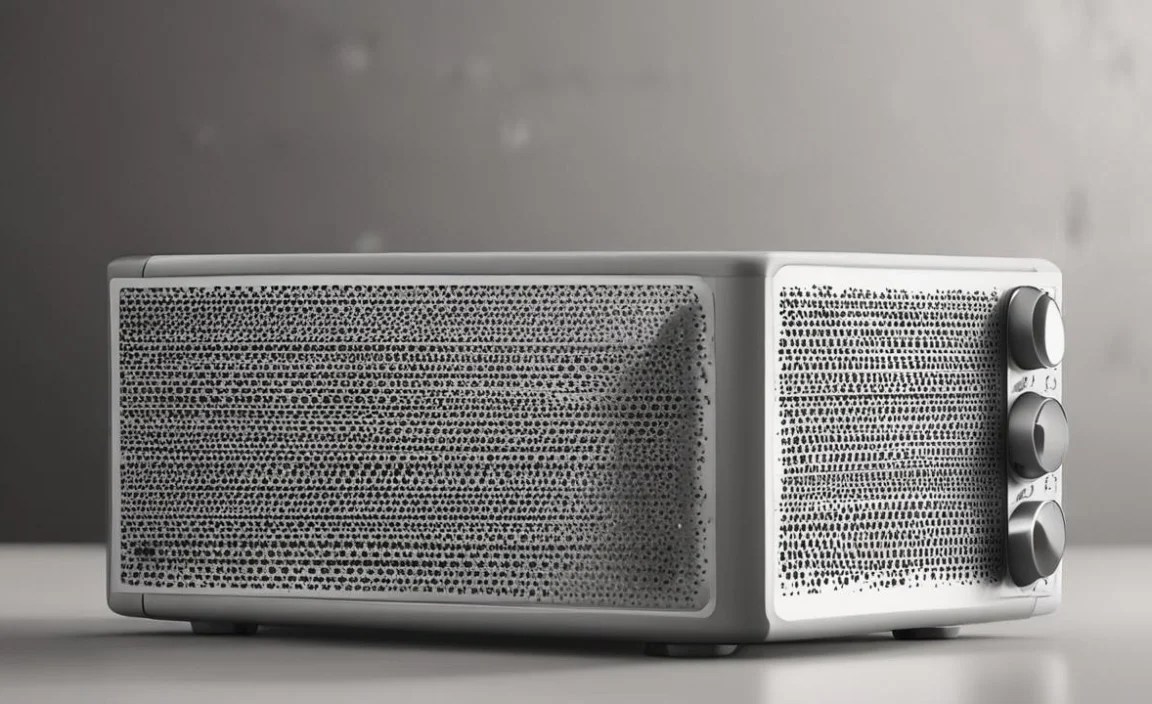
Even with the best wireless speaker, placement can make a significant difference in how much bass you hear. This is due to something called “boundary effects.”
- Near a Wall: Placing a speaker near a wall, especially a corner, can reinforce bass frequencies. The sound waves reflecting off the wall add to the direct sound, making the bass seem louder and fuller. This is a simple trick that can have a dramatic effect.
- On Solid Surfaces: Placing your speaker on a sturdy surface, like wood or a solid table, can help transmit vibrations and make the bass feel more powerful. Placing it on a soft carpet or a wobbly surface can dampen the sound.
- Avoid Enclosed Spaces: While corners can boost bass, putting a speaker inside a cabinet or a bookshelf without proper airflow can muffle the sound and make the bass muddy or distorted. Manufacturers often design ports to work best in open air.
Experimenting with placement in your room is always a good idea. What sounds best might depend on your room’s acoustics and the speaker’s design.
Advanced Features for the Bass-Curious
For those who want to dive a bit deeper, there are more advanced considerations when hunting for that perfect bass-driven wireless speaker.
Wi-Fi vs. Bluetooth
While Bluetooth is ubiquitous, Wi-Fi enabled speakers often offer higher fidelity audio streaming and can support more robust sound technologies. If you’re primarily using your speaker at home and want the absolute best sound quality and bass, a Wi-Fi speaker (like those in Sonos or Apple AirPlay 2 ecosystems) might be a better choice. They avoid the compression limitations of Bluetooth codecs, allowing for a fuller bass experience.
Open vs. Closed Source Ecosystems
Some brands (like Apple with AirPlay 2, or certain Google Cast devices) have proprietary technologies built around Wi-Fi. If you’re heavily invested in a particular brand’s ecosystem, investing in their wireless speakers can sometimes yield better integration and potentially better sound reproduction, including bass. It’s worth checking compatibility, especially for high-resolution audio streaming. For instance, a speaker supporting AirPlay 2 can stream higher bandwidth audio from an Apple device.
Understanding Dynamic Range
Dynamic range refers to the difference between the loudest and quietest sounds a speaker can reproduce. A speaker with a wide dynamic range can portray everything from a whisper to a thunderous explosion with impact and clarity. For bass, this means the speaker can reproduce subtle low notes and then hit you with a powerful bass drop without distortion. This is often a hallmark of higher-quality audio components and good amplification.
Maintenance and Care for Optimal Bass
To keep your wireless speaker sounding its bass-best, a little care goes a long way. Dust and debris can accumulate on speaker cones and in ports, potentially affecting sound quality.
- Cleaning Drivers: Gently use a soft brush or a can of compressed air (held at a distance) to remove dust from speaker cones and passive radiators. Avoid touching the cone directly.
- Keeping Ports Clear: Ensure speaker ports are free of obstructions. If your speaker is used outdoors, check for any insects or debris that might have found their way in.
- Battery Health: While not directly impacting bass sound quality, proper battery charging and care (avoiding extreme temperatures, not leaving it plugged in constantly long-term) ensures your speaker performs optimally when you need it. Most manufacturers recommend using the charger they provide.
Regularly updating firmware can also be important. Manufacturers sometimes release updates that improve audio processing, which could include bass enhancements. Check your speaker’s app or the manufacturer’s website for updates.
Frequently Asked Questions (FAQ)
Q1: Can a small wireless speaker really have good bass?
A1: Yes, but with limitations. Small speakers often use clever design, like passive radiators and advanced DSP (Digital Signal Processing), to enhance bass. However, they won’t typically produce the deep, room-filling bass of a larger speaker with a dedicated subwoofer.
Q2: What is the difference between bass boost and EQ?
A2: Bass boost is a dedicated feature that electronically amplifies low frequencies, often at a fixed level. EQ (Equalization) allows you to adjust a range of frequencies, including bass, treble, and mids, to your preference, offering more customization.
Q3: Does the material of the speaker cabinet affect bass?
A3: Absolutely. The resonance and rigidity of the cabinet material play a role. Denser materials like MDF (medium-density fiberboard) are preferred for their acoustic properties, minimizing unwanted vibrations and resonance that can muddy bass. Cheaper plastics can sometimes detract from bass quality.
Q4: How do I know if my wireless speaker supports advanced Bluetooth codecs like aptX HD?
A4: Check the speaker’s product specifications or packaging. You’ll also need your smartphone or streaming device to support the same codec. You can often see the active codec in your device’s Bluetooth settings menu when connected.
Q5: Why does my wireless speaker sound different in different rooms?
A5: Room acoustics play a big part! Hard surfaces (like tile or glass) reflect sound, potentially making bass more boomy. Soft surfaces (like carpets or curtains) absorb sound, which can make bass seem less pronounced. Corner placement often boosts bass due to boundary effects.
Q6: If I want the absolute best bass for movies, should I get a wireless soundbar or a wireless speaker?
A6: For the most impactful bass and immersive movie experience, a wireless soundbar system often includes a dedicated wireless subwoofer, which is designed purely for low frequencies. A single wireless speaker, even a large one, usually can’t match the deep, powerful bass of a dedicated subwoofer.
Conclusion: Your Bass-Driven Wireless Journey Begins
So there you have it – a comprehensive look at what makes a wireless speaker truly deliver on its bass promise. We’ve explored the importance of driver size, enclosure design, power, and advanced features like codecs and DSP. Remember, the term “wireless speaker with bass wireless.