
Ensure your car music speakers work efficiently by understanding their power needs and how they interact with your car’s battery. Proper speaker selection and installation maximize sound quality without draining your car’s battery, keeping your audio powered and your car running smoothly.
Hey audiophiles and everyday drivers! Are you wondering about the power behind your car’s music, specifically how your speakers affect your car’s battery life? It’s a common question, especially when you want to crank up the tunes without worrying about a dead battery. Getting the right balance between great sound and essential car power can feel tricky. But don’t sweat it! I’m Bob E Riley from Aimguider, and I’m here to break down the connection between your car speakers, their power requirements, and your car’s battery. We’ll explore how to choose wisely and enjoy your music worry-free.
The Humble Speaker: More Than Just Sound

When we think about car speakers, we usually focus on how loud they can get or how clear the bass sounds. But there’s a vital, often overlooked, element at play: power. Every speaker needs energy to produce sound, and in a car, that energy ultimately comes from the car’s battery. This isn’t about your portable Bluetooth speaker that runs for hours on its own charge; these are speakers wired into your vehicle’s electrical system. They draw power directly from your alternator when the engine is running, and from the battery when the engine is off or during brief moments when the alternator isn’t supplying enough.
The relationship is simple: the more demanding your speakers are, the more power they’ll try to draw. If your speakers are too powerful for your car’s electrical system to handle or if you’re using them excessively with the engine off, you’re essentially asking your car’s battery to do overtime. This can lead to a drained battery, sluggish performance, and even damage to your car’s electricals over time. But fear not! With the right knowledge, you can pick speakers that deliver fantastic audio without jeopardizing your daily drive.
Understanding Speaker Power Ratings
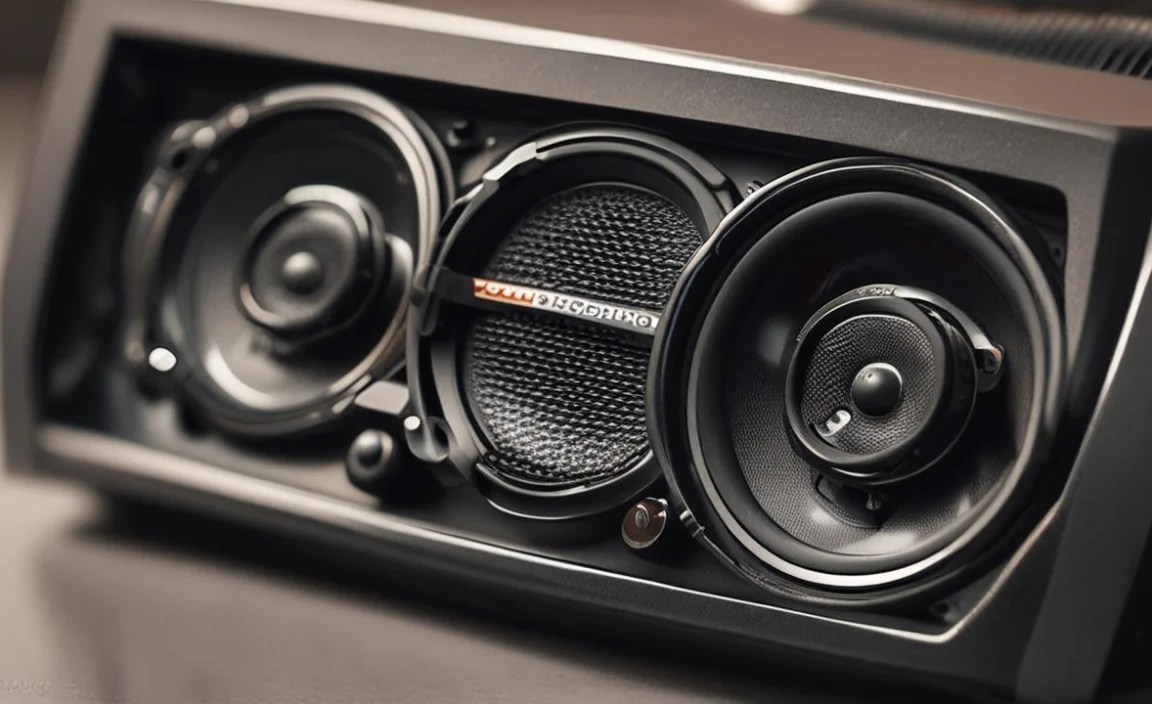
To make sense of how speakers affect battery life, we need to talk about power ratings. You’ll see a couple of numbers thrown around: RMS and Peak power. These are crucial for understanding how much juice a speaker needs and how it handles that power.
RMS Power: The Real Workhorse
RMS stands for Root Mean Square. Think of this as the speaker’s continuous, reliable power handling capacity. It’s the amount of power the speaker can handle constantly without getting damaged. A speaker with a higher RMS rating can play louder and clearer for longer periods without pushing its limits. This is the most important number to consider when matching speakers to your car’s power system.
Peak Power: The Short Burst
Peak power, sometimes called “max power,” is the absolute maximum power a speaker can handle for very brief moments. It’s like a quick surge of energy. While it sounds impressive, it’s not indicative of how much power the speaker will consistently use or how well it will perform over time. Focusing too much on peak power can be misleading. Your car’s battery is more concerned with the sustained power draw (RMS) than these short bursts.
How Speakers Draw Power
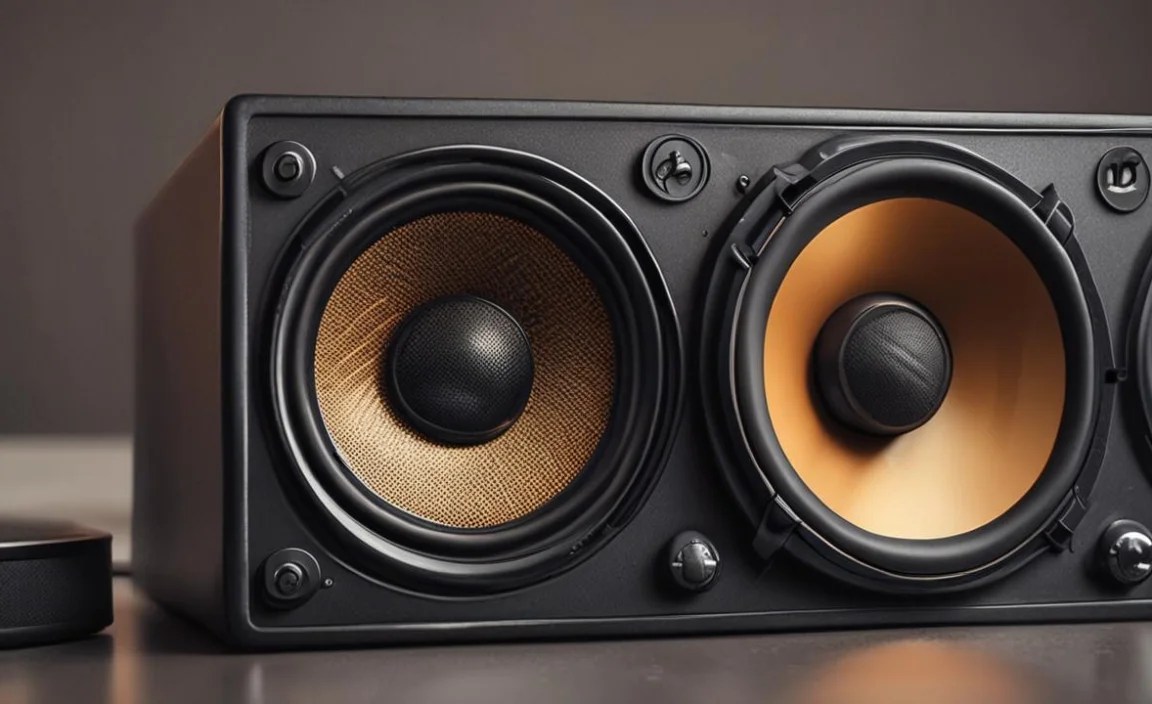
Your car’s audio system is a closed loop. The head unit (your car’s stereo) sends an audio signal to the amplifier (it can be built into the head unit or a separate component). The amplifier boosts this signal and sends it to the speakers. The speakers then convert this electrical signal into sound waves. The energy for all of this comes from your car’s electrical system, which gets its primary charge from the alternator while the engine is running, and draws from the battery when the engine is off or under heavy load.
Different speakers have different power requirements. A small, factory-replacement speaker might only need a few watts of power. A high-performance aftermarket speaker, especially one designed for deep bass or high volumes, can require significantly more. If your car’s alternator and battery aren’t designed to supply this extra power, you’ll notice the strain.
The Battery Life Equation: Speakers vs. Electrical Load

Your car battery is the heart of its electrical system. It powers everything when the engine isn’t running, and it provides the initial surge to start the engine. When the engine is on, the alternator takes over powering most systems and recharges the battery. However, the audio system, especially powerful speakers, adds a significant electrical load.
- Engine Off: When the engine is off, your battery is your sole power source for the stereo. Playing music through power-hungry speakers for extended periods without the engine running will drain the battery quickly.
- Engine On: Even with the engine running, the alternator has to work harder to supply power to all the car’s systems AND the audio setup. If your speakers demand more power than your alternator can comfortably provide, it can lead to voltage drops, affecting other electronic systems in your car and putting a strain on the alternator itself.
So, the “speaker for car music battery life” connection is direct: more power-hungry speakers mean a higher potential drain on your battery, especially if your car’s electrical system isn’t up to snuff.
Matching Speakers to Your Car’s Electrical System

The key to a great audio experience without battery woes is compatibility. You need to ensure your new speakers are a good match for your car’s existing electrical capacity.
Check Your Car’s Alternator Output
Your car’s alternator is rated in amps. A higher amp rating means it can produce more electrical power. Newer cars with more electronics (heated seats, advanced infotainment, etc.) often have beefier alternators. If you’re installing powerful aftermarket speakers, it’s wise to know your alternator’s capacity. You can usually find this information in your car’s owner’s manual or by looking for a sticker on the alternator itself.
For context, a typical car alternator might output between 70 to 150 amps. If you plan on adding a large amplifier and high-power speakers, you might need to consider upgrading your alternator or adding a secondary battery, though this is usually for extreme car audio setups.
Consider Your Head Unit’s Power Output
Most factory car stereos have built-in amplifiers that are relatively low-powered. They are designed to drive factory speakers efficiently without overworking the system. Aftermarket head units often offer more power, but it’s still limited compared to a dedicated amplifier.
If you’re just swapping out factory speakers for direct replacements, ensure the new ones have similar RMS power handling. If you’re planning to add a separate amplifier, that’s a different ballgame and requires separate considerations for wiring and power supply, often including an upgraded battery or capacitor.
Choosing the Right Speakers: A Beginner’s Guide
When you’re at the store or browsing online, what should you look for? Let’s simplify it.
Sensitivity Rating: A Key Indicator
Besides power handling (RMS), pay attention to the speaker’s sensitivity rating. This is measured in decibels (dB) and tells you how efficiently a speaker converts power into sound. A higher sensitivity rating means the speaker will produce more volume with less power.
For example, a speaker with a sensitivity of 92 dB will be louder than a speaker with 88 dB when both are fed the same amount of power. This is fantastic if you’re trying to get more volume from your factory head unit or want to reduce the strain on your battery.
Speaker Size and Type
The size of the speaker (e.g., 6.5-inch, 5.25-inch) is determined by your car’s fitment. But the type matters too. Coaxial speakers have the tweeter mounted in the center of the woofer, making them an easy upgrade. Component speakers have separate woofers, tweeters, and crossovers, offering better sound quality but requiring more complex installation.
For beginners concerned about battery life, look for speakers with good sensitivity and moderate RMS power handling that matches or slightly exceeds your head unit’s output. Avoid speakers with extremely high RMS ratings unless you plan to install a dedicated amplifier.
Table: Speaker Power Considerations
| Rating | What it Means | Impact on Battery Life | Beginner Advice |
|---|---|---|---|
| RMS Power | Continuous power the speaker can handle. | Higher RMS generally means higher power draw. | Match to your head unit/amplifier output. Don’t oversize. |
| Peak Power | Maximum power handling for short bursts. | Minimal direct impact on sustained battery drain. | Less important than RMS for power management. |
| Sensitivity (dB) | Efficiency of converting power to sound. Higher is better. | Higher sensitivity means less power needed for the same volume. | Prioritize high sensitivity for better efficiency. |
Common Mistakes to Avoid
When upgrading your car’s audio, a few missteps can lead to unexpected battery drain or poor sound.
- Overpowering your System: Installing speakers that require significantly more power than your head unit or amplifier can provide is the most common mistake. This can lead to distorted sound, damaged speakers, and an overloaded electrical system.
- Ignoring Sensitivity: Focusing solely on RMS power and ignoring sensitivity can lead you to speakers that you’ll have to turn up much louder to hear, effectively increasing the power demand.
- Not Considering the Whole Picture: Your speakers are just one part. Adding a powerful subwoofer with a separate amplifier will dramatically increase power draw compared to just replacing your door speakers.
- Using High Power with Engine Off: This is a surefire way to drain your battery. If you love listening to music with the engine off, opt for efficient speakers and keep the volume at reasonable levels.
Speaker Enhancements That Don’t Kill Your Battery
You don’t always need massive power to get great sound. Here are some ways to improve your audio without a huge electrical draw:
- Upgrade to High-Sensitivity Coaxial Speakers: These are direct replacements for your factory speakers and offer a significant sound upgrade with minimal installation fuss. Look for models with sensitivity ratings above 90 dB.
- Add Sound Deadening: This isn’t about power, but it dramatically improves perceived sound quality. By reducing vibrations and road noise, your speakers will sound clearer and fuller, meaning you might not need to crank the volume as high. Companies like Dynamat offer materials for this.
- Install a Small, Efficient Amplifier: If your factory head unit just doesn’t cut it, a small, efficient 4-channel amplifier can provide cleaner power to your existing or upgraded speakers. Look for Class-D amplifiers, which are known for their efficiency. Such an amp might draw less power overall than pushing your head unit to its limits, while delivering better sound.
- Replace Your Battery with a Higher-Capacity One: If you are a heavy music user, especially with the engine off, consider a higher-capacity or “deep-cycle” battery. These are designed to provide sustained power over longer periods. However, this is a more involved upgrade and should be done with care to ensure it fits and integrates properly. For more on battery types, check out resources like those from the U.S. Department of Energy’s Vehicle Battery Technologies.
The Role of the Car Battery
Your car battery’s primary job is to start the engine. Once the engine is running, the alternator is the main power source for everything else. However, the battery acts as a buffer, smoothing out voltage fluctuations and providing power when the alternator is momentarily overloaded or when the demand from accessories (like your sound system) exceeds the alternator’s immediate output.
A healthy battery is crucial. If your battery is old or weak, it won’t be able to support a demanding audio system, even when the engine is running. You might notice lights dimming when the bass hits, or your stereo cutting out under load. This indicates your battery is struggling to keep up.
Battery Lifespan and Audio Draw
While speakers don’t directly “wear out” your battery in the way that starting the engine does, a consistently high power draw from an inefficient or overcrowded audio system can put more stress on the entire electrical system, potentially shortening the lifespan of not just the battery, but also the alternator and other components due to excessive heat or strain.
A car battery typically lasts 3-5 years. If you’re experiencing premature battery failure and have a high-power audio system, it’s worth investigating the demands of your speakers and amplifier. A battery testing station can tell you the health of your current battery.
When to Consider Upgrading Your Electrical System
If you’re planning a significant audio overhaul – think multiple amplifiers, subwoofers, and high-output speakers – you’ll likely need to upgrade more than just the speakers.
- High-Output Alternator: For serious sound systems, a high-output alternator (e.g., 150A or more) is often necessary to provide sufficient and stable power.
- Upgraded Battery: A high-performance or dual-battery setup can handle the increased demand of powerful audio, especially when the engine is off or at idle.
- Power Capacitors or Second Batteries: These can help stabilize voltage during heavy bass notes, preventing dimming lights and protecting your amplifier.
These upgrades are usually for enthusiasts who want to push their car audio systems to the limit. For the average listener who just wants better sound quality and a bit more volume than stock, a thoughtful speaker upgrade with attention to sensitivity and RMS ratings is usually enough.
Table: Electrical System Upgrade Considerations
| Component | When to Upgrade | Benefits | Considerations |
|---|---|---|---|
| Alternator | Installing multiple high-power amplifiers and subwoofers. Frequent use of loud audio with engine off. | Provides sufficient, stable power for demanding systems. Prevents voltage drops. | Costly, requires professional installation for some. Ensure compatibility. |
| Battery | Heavy audio usage with engine off. High-demand systems. Short trips where battery doesn’t fully recharge. | Offers reserve power for sustained audio playback. Smoother voltage delivery. | Ensure proper fit and terminal type. Consider deep-cycle options. |
| Wiring | Any significant addition of amplifiers or high-power speakers. | Carries power safely and efficiently to components. Prevents overheating. | Use appropriate gauge wire for the current draw. Follow safety guidelines. |
Frequently Asked Questions (FAQ)
Q1: Will better car speakers drain my car battery faster?
Not necessarily. While more powerful speakers can draw more energy, the key is matching the speaker’s power needs (RMS rating) to your car’s electrical system and head unit/amplifier. High-sensitivity speakers can provide more volume with less power, actually being more efficient and less of a drain than lower-sensitivity speakers requiring more amplification.
Q2: What is the most important power spec for my car speakers regarding battery life?
The RMS (Root Mean Square) power rating is the most important. This tells you how much power the speaker can handle continuously. A higher RMS usually means a higher potential power draw, so you want to ensure your car’s system can supply it without strain. Sensitivity is also crucial for efficiency.
Q3: Can I use my car stereo with the engine off without killing the battery?
Yes, but with caution. If you have efficient speakers and keep the volume at moderate levels, you can enjoy your music for a reasonable time. However, playing loud music through power-hungry speakers for extended periods with the engine off will drain the battery, as the battery is the sole power source.
Q4: How much power do most car speakers use from the battery?
This varies greatly. Factory speakers might use only 10-20 watts RMS. Aftermarket speakers can range from 50-100 watts RMS or much higher if designed for powerful amplification. The actual draw depends on the volume you play it at and the speaker’s efficiency (sensitivity).
Q5: Do I need a new battery if I upgrade my speakers?
Usually, no. For a basic speaker upgrade from factory speakers to moderately powered aftermarket ones, your existing battery and alternator should be sufficient, provided they are in good health. You’d typically only need to consider battery or alternator upgrades for significantly more powerful systems, often involving separate amplifiers.
Q6: What does “impedance” mean for speaker and battery life?
Impedance, measured in Ohms (Ω), is the resistance a speaker presents to the electrical current. Most car speakers are 4 ohms. Lower impedance speakers can draw more current from the amplifier for the same voltage, which can lead to more heat and power consumption. Ensure your speakers’ impedance matches what your head unit or amplifier is designed to handle.