
Focus on your listening space, desired sound, and budget. This guide breaks down essential tips so you can find speakers that perfectly match your needs and fill your room with amazing audio.
Finding the perfect speakers can feel like a quest. With so many options, brands, and technical terms, it’s easy to get lost. You want speakers that sound great for your music, movies, or games, but the choices can be overwhelming. Don’t worry, though! This guide is here to help. We’ll walk you through everything you need to know, step-by-step, making your speaker buying journey simple and successful. Get ready to discover audio bliss!
Understanding Speaker Types for Every Need
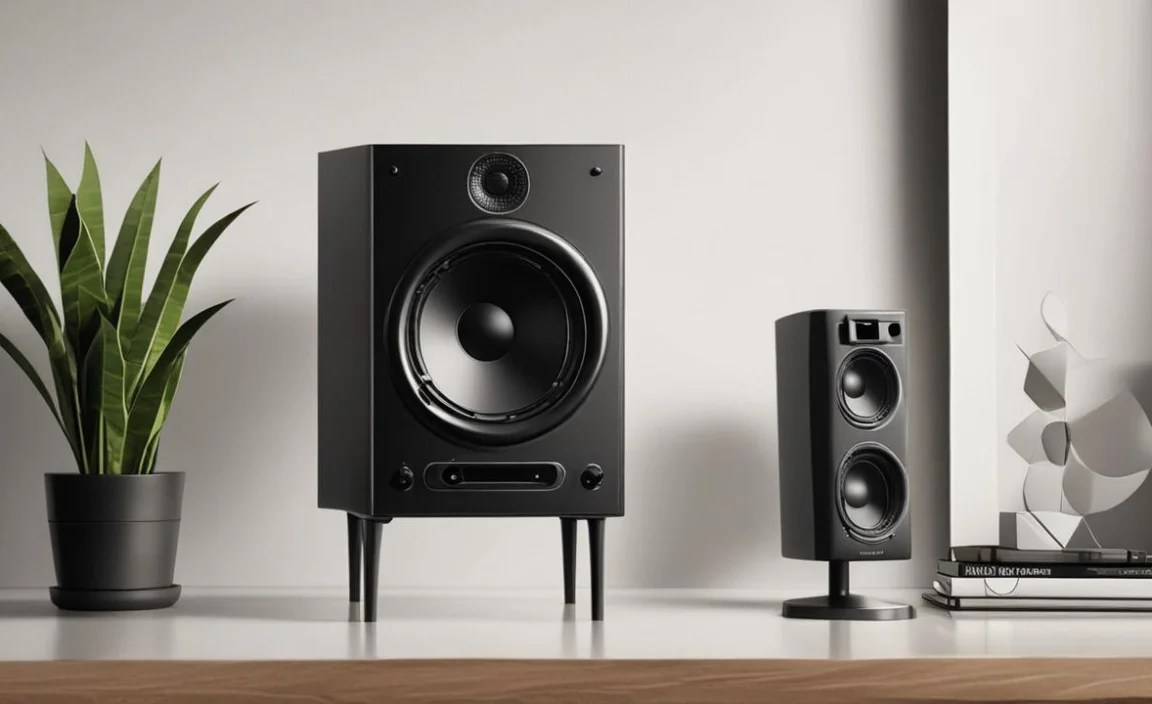
Before diving into specs, it’s good to know what kind of speakers are out there. Each type is designed for a specific purpose and listening environment. Knowing these differences will help you narrow down your search.
Bookshelf Speakers
These are compact and versatile. They’re great for smaller rooms, apartments, or for setting up a stereo system. Bookshelf speakers can sit on shelves, stands, or tables. They offer a good balance of sound quality and size.
Floorstanding (Tower) Speakers
These are larger and typically stand on their own. Floorstanding speakers are designed to fill bigger rooms with sound. They often have a fuller bass response and a more immersive audio experience, making them ideal for home theaters and larger living spaces.
Soundbars
A popular choice for TV setups, soundbars are long, slim speakers that sit beneath your television. They simplify your audio system by combining multiple channels into one device. Many modern soundbars also come with a wireless subwoofer for enhanced bass.
Subwoofers
A subwoofer’s main job is to reproduce low-frequency sounds (bass). They add depth and impact to music and movie soundtracks. Subwoofers are often purchased as part of a surround sound system or to complement smaller speakers that struggle with bass.
Portable (Bluetooth) Speakers
Perfect for on-the-go listening, portable speakers are battery-powered and connect wirelessly via Bluetooth. They come in all shapes and sizes, from tiny units you can clip to a bag to larger ones designed for parties. Sound quality can vary greatly, so it’s important to check reviews.
Smart Speakers
These speakers have built-in virtual assistants like Amazon Alexa or Google Assistant. They can play music, answer questions, control smart home devices, and more. Sound quality varies, but many offer decent audio for casual listening.
Essential Tips for Buying Speakers in 2025

Now that you know the types, let’s get into the nitty-gritty of what really matters when you’re ready to buy. These tips will guide you to the best possible audio investment for your home.
1. Consider Your Listening Space
The size and layout of your room are crucial. A massive sound system in a tiny bedroom can be overpowering, and small speakers might get lost in a large living room.
- Small Rooms (Bedrooms, Offices): Bookshelf speakers or a quality soundbar are usually ideal. Aim for clarity and detail without overwhelming bass.
- Medium Rooms (Living Rooms): Floorstanding speakers or a robust soundbar system can work well. You have more flexibility for a fuller sound.
- Large Rooms/Open Spaces: Floorstanding speakers or a powerful home theater system are recommended to fill the space effectively.
2. What Will You Use Them For Most?
Be honest about your main listening habits. This will guide you toward speakers with the right sound profile.
- Music Enthusiasts: Look for speakers known for their accuracy, detail, and balanced frequency response. Brands often highlight “audiophile-grade” or “studio monitor” sound.
- Movie Buffs: Consider systems that excel at dynamic range and surround sound. A good subwoofer and center channel speaker are vital for immersive movie experiences.
- Gamers: Speakers that offer precise positional audio cues and impactful bass can enhance gameplay. Soundbars or dedicated gaming speaker systems are great options.
- Casual Listening/Background Music: Simpler, well-rounded speakers that sound good at moderate volumes will suffice.
3. Decode Speaker Specifications (Without the Headache)
Don’t let jargon scare you. Here are a few key terms to understand:
- Frequency Response: This tells you the range of sound frequencies a speaker can produce, measured in Hertz (Hz). A wider range (e.g., 20Hz – 20kHz) means it can reproduce deeper bass and higher treble tones. Human hearing typically ranges from 20Hz to 20kHz, so speakers aiming to cover this range fully are ideal.
- Sensitivity (dB): This indicates how loud a speaker can get with a given amount of power. Higher sensitivity (e.g., 90dB or more) means the speaker is more efficient and can be driven to higher volumes with less powerful amplifiers.
- Impedance (Ohms): This is the speaker’s electrical resistance. Most home speakers are 4 or 8 ohms. Ensure your amplifier or receiver can handle the impedance of the speakers you choose. Most modern receivers are compatible with both, but it’s always good to check your receiver’s manual, like this guide from Crutchfield which explains impedance in detail.
- Wattage (W): This refers to the power handling capability. It’s not directly an indicator of loudness but rather how much power the speaker can handle without damage. Higher wattage doesn’t always mean louder, but it can indicate durability with sufficient power.
4. Wired vs. Wireless: Which is Right for You?
This is a big decision that impacts convenience and, sometimes, sound quality.
Wired (Traditional) Speakers:
- Pros: Generally offer the best sound quality and reliability. No dropouts or connectivity issues.
- Cons: Require speaker wire, which can be unsightly if not managed properly. Installation might be more complex.
Wireless (Bluetooth/Wi-Fi) Speakers:
- Pros: Ultimate flexibility and ease of setup. No messy wires. Great for portability or streaming from multiple devices.
- Cons: Sound quality can sometimes be compressed (especially with Bluetooth). Reliant on battery power or Wi-Fi signal. Potential for connection drops.
5. Set Your Budget
Speakers range from under $100 to many thousands. Having a budget in mind prevents overspending and helps narrow your choices.
Budget (Under $300): Good entry-level bookshelf speakers, decent soundbars, or capable portable speakers.
Mid-Range ($300 – $1000): Excellent bookshelf speakers, solid floorstanding speakers, higher-end soundbars, and premium portable options.
High-End ($1000+): Audiophile-grade floorstanding speakers, immersive home theater systems, and professional-grade audio solutions.
Remember to factor in any necessary accessories like speaker stands, cables, or an AV receiver if you’re building a home theater system.
6. Listen Whenever Possible
This is the most crucial tip! Sound is subjective, and what sounds great to one person might not to another. If you can, visit an audio store or a friend’s setup to hear speakers in action.
- What to listen for: Clear vocals, well-defined bass, crisp treble, and an overall balanced sound.
- Bring your own music: Listen to tracks you know intimately across different genres.
If buying online, check return policies carefully. Reputable online retailers often offer a grace period to test speakers in your own home.
7. Understand Speaker Drivers
Drivers are the individual cones or domes within a speaker that produce sound. The type and number of drivers impact the sound.
- Woofer: Handles low frequencies (bass).
- Midrange Driver: Handles mid-range frequencies (vocals, most instruments).
- Tweeter: Handles high frequencies (treble, cymbals).
Common Configurations:
- Full-Range: One driver handles all frequencies. Usually found in smaller, simpler speakers.
- 2-Way: A woofer and a tweeter. Common in bookshelf speakers.
- 3-Way: A woofer, a midrange driver, and a tweeter. Often found in larger floorstanding speakers for more detailed sound.
8. Room Acoustics Play a Big Role
Even the best speakers can sound mediocre in a room with poor acoustics. Hard surfaces reflect sound, creating echoes and muddiness. Soft furnishings absorb sound.
- Reflections: Bookshelves, rugs, curtains, and upholstered furniture help absorb sound and reduce echoes.
- Positioning: Experiment with speaker placement. They don’t always need to be pushed against a wall. The Dolby guide to room setup offers excellent principles for immersive audio, many of which apply to stereo listening too.
- Room Treatment: For serious audiophiles, acoustic panels can be used to further improve sound clarity.
9. Ensure Compatibility with Your Existing System
If you already own an amplifier, receiver, or stereo system, make sure your new speakers are compatible. Check the impedance (Ohms) and wattage recommendations. If you’re buying a complete home theater system, ensure all components are designed to work together.
10. Research Brands and Read Reviews
Established audio brands often have a reputation for quality. However, don’t dismiss newer brands entirely. Always read professional reviews from reputable audio publications and user reviews. Look for consistent praise or criticism regarding sound quality, build quality, and reliability.
Speaker Types at a Glance
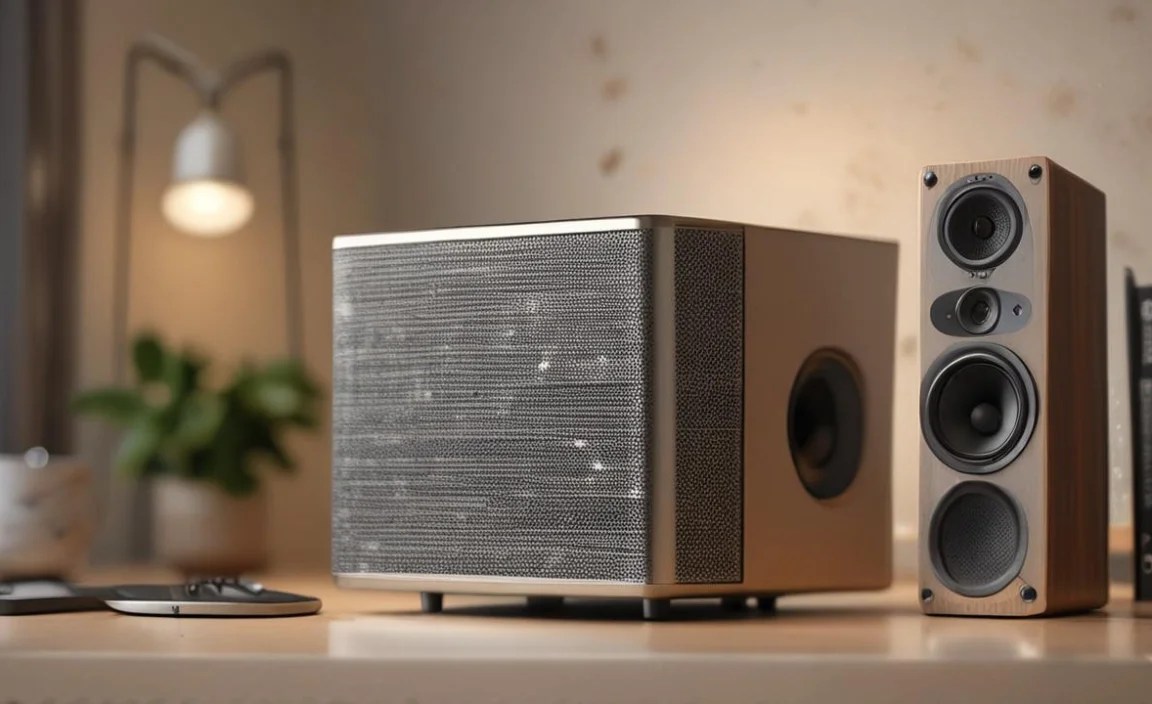
Here’s a quick look at some common speaker types and what they’re best suited for:
| Speaker Type | Best For | Typical Room Size | Pros | Cons |
|---|---|---|---|---|
| Bookshelf Speakers | Stereo listening, smaller home theaters, apartments | Small to medium | Compact, versatile, good sound quality for size | Limited bass without subwoofer, may struggle in large rooms |
| Floorstanding Speakers | Primary stereo listening, large home theaters | Medium to large | Full-range sound, powerful bass, immersive | Larger footprint, more expensive, need more power |
| Soundbars | Simplified TV audio, small to medium living rooms | Small to medium | Easy setup, space-saving, good for dialogue | Can lack stereo separation, limited bass without subwoofer |
| Subwoofers | Adding bass to any system | N/A (complements other speakers) | Deep, impactful bass | Adds complexity and cost, placement can be tricky |
| Portable Speakers | On-the-go, casual listening, outdoor use | N/A (personal or small group) | Convenient, wireless, portable | Sound quality varies, battery life dependent |
Setting Up and Optimizing Your New Speakers
Once you’ve made your purchase, proper setup is key to unlocking their full potential. Even modest speakers can sound fantastic with a little attention to detail.
Speaker Placement Strategies
This is perhaps the most impactful step you can take. Incorrect placement can severely degrade sound quality.
For stereo bookshelf or floorstanding speakers:
- The Stereo Triangle: Position your speakers so they form an equilateral triangle with your primary listening position (where you’ll be sitting). The distance between the speakers should be roughly the same as the distance from each speaker to your ears.
- Toe-In: Angle each speaker slightly inward towards the listening position. Start with them pointing directly at your ears and adjust progressively. You might find a slight toe-in or even no toe-in (pointing straight ahead) sounds best for your setup.
- Distance from Walls: Avoid placing speakers directly in corners or right up against the back wall, as this can exaggerate bass frequencies and make the sound muddy. Experiment with pulling them forward a few inches or even a couple of feet.
- Height: Ideally, tweeters (the small drivers at the top) should be at ear level when you’re seated. Bookshelf speakers often require stands to achieve this.
For soundbars:
- Place the soundbar directly in front of your TV, centered.
- Ensure it’s not blocking the TV’s IR receiver (remote sensor).
- If it comes with a subwoofer, place it on the floor, ideally not in a corner if it sounds too boomy, but experimenting is key.
Connecting Your Speakers to Your Audio Source
The method of connection depends on your speaker type and audio source.
- Wired Speakers: Connect speaker wire from the amplifier/receiver’s speaker terminals to the corresponding terminals on the speakers. Ensure correct polarity (+ to +, – to -) to avoid phase issues that can degrade sound.
- Soundbars: Typically connect to your TV via HDMI ARC/eARC (for best quality and control) or optical cable.
- Bluetooth Speakers: Turn on the speaker and put it in pairing mode. On your phone, computer, or TV (if capable), go to Bluetooth settings and select the speaker to connect.
- Wi-Fi Speakers: Often require an app to set up on your home Wi-Fi network. Follow the manufacturer’s instructions.
Calibration and Room Correction
Some modern AV receivers and soundbars come with built-in room correction software (e.g., Audyssey, Dirac, Dolby Atmos Room Calibration). These systems use a microphone to analyze your room’s acoustics and automatically adjust speaker levels, distances, and equalization to optimize the sound for your specific listening environment. Audyssey’s MultEQ technology, for example, is designed to counter the acoustic issues present in home listening environments.
Even without automatic systems, you can often manually set speaker levels and distances via your receiver’s menu. If you don’t have an AV receiver, you might need to rely more on speaker placement and room treatments to achieve the best sound.
Frequently Asked Questions (FAQ)
Q1: Do I really need to spend a lot on good speakers?
Not necessarily! While high-end speakers offer superior performance, you can find excellent speakers at various price points. The key is to match the speaker’s performance and features to your specific needs and budget. For many, good bookshelf speakers in the mid-range offer fantastic value.
Q2: What is “phantom center” in a soundbar?
A phantom center channel is when a soundbar simulates the effect of a dedicated center speaker, which is crucial for clear dialogue in movies. It uses psychoacoustic techniques and precisely angled drivers to make dialogue appear to come from the center of the screen, even without a physical center speaker.