
Finding the best TV for your apartment under $300 is totally doable! Focus on screen size, picture quality basics like HD resolution, and reliable brands. Look for deals on reputable retailers. You can get a fantastic, budget-friendly TV that enhances your small space for entertainment and everyday viewing.
Hey there, fellow home entertainment enthusiasts! Bob E Riley here from Aimguider. Ever feel overwhelmed when shopping for a new TV? Especially when your budget is a bit tight, like under $300, and you’re trying to find the perfect fit for your cozy apartment? It’s a common situation. You want a great viewing experience without breaking the bank, and sometimes the sheer number of options can make your head spin. Don’t worry, I’ve got your back! We’ll navigate this together, step by step. We’ll break down what really matters, what features are nice-to-haves versus must-haves, and how to snag a gem that complements your apartment living. Get ready to find a TV that brings your favorite shows, movies, and games to life!
Why Finding the Right Apartment TV Matters

Choosing the right TV for your apartment, especially on a budget, is more than just picking a screen. It’s about maximizing your living space and enhancing your daily life. A TV that’s too big can overwhelm a small room, while one that’s too small might not offer an immersive experience. For apartment dwellers, size is often a key consideration, but so is picture quality, smart features, and how well it integrates into your lifestyle. Getting these things right means you’ll enjoy movie nights, gaming sessions, or just catching up on the news with far more satisfaction. It’s about making smart choices that bring joy without the financial strain.
What to Look For: Key Features for TVs Under $300

When you’re hunting for the best TV for your apartment under $300, certain features will make a bigger difference than others. It’s all about prioritizing what gives you the most bang for your buck. Forget about the absolute cutting-edge specs; we’re aiming for excellent value that meets your everyday needs.
1. Screen Size: Big Enough, But Not Too Big
For apartments, screen size is crucial. A good rule of thumb for smaller rooms is to consider the viewing distance. For most apartment living rooms, a screen size between 32 inches and 43 inches is usually ideal. Anything larger might feel overwhelming, while smaller might not offer enough impact. Measure your space before you buy!
2. Resolution: HD is Your Friend
At this price point, you’re likely looking at High Definition (HD) or Full HD (FHD). Full HD (1080p) resolution is standard and provides a clear, crisp picture for most content. While 4K (Ultra HD) is becoming more common, it’s harder to find under $300. For an apartment-sized screen, 1080p is perfectly adequate for a great viewing experience.
3. Smart TV Capabilities
A “smart” TV means it can connect to the internet and access streaming apps like Netflix, Hulu, YouTube, and more, without needing an extra device. This is a huge convenience! Most TVs in this price range offer smart features, often running on platforms like Roku TV, Fire TV, or Android TV. Roku TV is particularly user-friendly for beginners.
4. Refresh Rate: Smoothness Matters
The refresh rate tells you how many times per second the image on the screen updates. For general viewing (news, sitcoms), a 60Hz refresh rate is fine. If you plan on watching a lot of sports or playing video games, a higher refresh rate can make motion look smoother. However, at the under $300 mark, 60Hz is the most common and generally sufficient.
5. Connectivity: Ports for Your Gear
Check how many HDMI ports the TV has. You’ll need at least one for a cable box or streaming stick (even smart TVs sometimes benefit from a dedicated stick), one for a game console if you have one, and maybe one for a Blu-ray player. Most TVs in this range offer 2-3 HDMI ports, which is usually enough.
6. Brand Reputation & Reviews
Stick with well-known brands that have a good track record for budget electronics. Brands like TCL, Hisense, Insignia, and Vizio often offer great value in the lower price brackets. Always check recent customer reviews for any model you’re considering. Look for common issues or praise points. You can find valuable user feedback on retailer websites and tech review sites.
Comparing Top TV Options Under $300
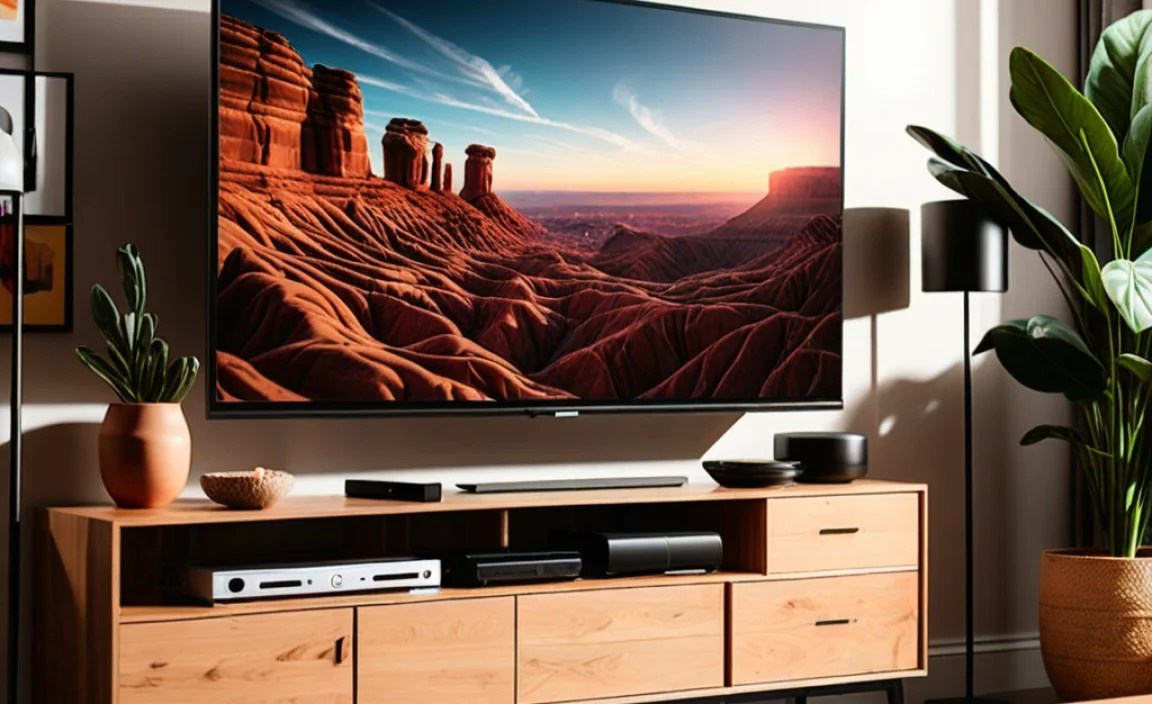
While specific models can change rapidly due to sales and new releases, we can look at brands and common features that consistently offer good value under $300. These TVs are great starting points for your search.
Here’s a look at what you might find:
| Feature | Typical Under $300 TV (32″-43″) | What It Means for You |
|---|---|---|
| Screen Size | 32 inches to 43 inches | Perfect for most apartment living rooms and bedrooms. |
| Resolution | HD (720p) or Full HD (1080p) | Clear and sharp picture for everyday viewing; 1080p is preferred. |
| Smart Platform | Roku TV, Fire TV, Android TV (Google TV) | Easy access to streaming apps like Netflix, Hulu, etc. |
| Refresh Rate | 60Hz | Good for general content, okay for sports and casual gaming. |
| HDR Support | Rarely featured or entry-level | Don’t prioritize HDR at this budget; focus on resolution. |
| Ports | 2-3 HDMI ports, USB port | Enough for typical devices like cable boxes, game consoles, soundbars. |
| Audio | Basic built-in speakers | Consider a soundbar later if you want better audio quality. |
Popular Budget-Friendly Brands to Explore
- TCL: Known for offering excellent smart TV features and decent picture quality at affordable prices. Their Roku TV models are very popular.
- Hisense: Another strong contender, Hisense TVs often pack good specs for the price, including smart capabilities and surprisingly good visuals.
- Insignia: Best Buy’s house brand, Insignia TVs (often Fire TV or Roku TV) reliably deliver basic functionality and are usually among the most affordable options.
- Vizio: Vizio has a reputation for good performance for the money, and their smart TV options are usually quite competitive.
Step-by-Step Guide to Buying Your Apartment TV

Ready to find your perfect TV without the stress? Follow these simple steps:
Step 1: Measure Your Space
Before you even look at TVs online or in stores, grab a tape measure. Decide where the TV will go. Measure the width and height of the intended spot. Also, consider your primary viewing distance. A good starting point is to measure the distance from your couch to where the TV will be. If it’s about 3-5 feet, a 32-inch TV is great. If it’s 5-7 feet, a 40-43 inch TV hits the sweet spot. Remember, viewing distance guidelines can help ensure you pick a size that’s comfortable and immersive without being overwhelming.
Step 2: Set Your Budget Firmly
You’ve already decided on under $300, which is fantastic! Now, stick to it. Be aware that prices fluctuate, especially during holiday sales like Black Friday or Prime Day. Sometimes, you might find a slightly better model drop just below or at $300. Keep your eyes peeled for deals.
Step 3: Prioritize Features
Based on our earlier discussion, decide what’s most important for you:
- Must-haves: Full HD (1080p) resolution (if possible), a reliable smart platform (like Roku TV or Fire TV), and adequate HDMI ports (at least 2).
- Nice-to-haves: Larger screen size within your measurements, specific smart platform preferences, slightly better sound (though unlikely at this price).
Step 4: Research Online and Read Reviews
Start browsing major online retailers like Amazon, Best Buy, Walmart, and Target. Use their filters to set your desired screen size and price range. Click on models that look promising. Don’t just look at the specs; scroll down to the customer reviews. Look for patterns. Are multiple people complaining about the same issue? Or are many praising its ease of use?
Step 5: Compare Models at a Glance
You can use comparison tools on many retail websites, but here’s a simplified comparison based on typical offerings:
| Brand/Model Type | Pros | Cons | Best For |
|---|---|---|---|
| TCL Roku TV (32″-43″) | User-friendly Roku interface, good app selection, decent picture for price. | Can sometimes lack brightness, audio is basic. | Beginners, streaming enthusiasts. |
| Hisense Vidaa/Android TV (32″-43″) | Often good value, decent picture and sound for the price, modern smart platform. | App selection might be less extensive than Roku on some models. | Value seekers, those who like Android/Google ecosystem. |
| Insignia Fire TV/Roku TV (32″-43″) | Very budget-friendly, simple Fire TV or Roku interface, reliable performance. | Picture quality might be slightly less refined than TCL/Hisense. | Extreme budget shoppers, basic TV needs. |
Step 6: Check for Sales and Deals
Prices can change daily! Keep an eye on deals from major retailers. Websites that track deals can be very helpful. Sometimes, you can find an open-box or refurbished TV from a reputable seller for a lower price, which can get you a slightly better model. Just ensure it comes with a warranty.
Step 7: Make the Purchase
Once you’ve found a TV that meets your criteria, fits your space and budget, and has positive reviews, it’s time to buy! Consider buying from a retailer with a good return policy, just in case. For example, Best Buy offers a 15-day return window on most TVs, which can give you peace of mind.
Setting Up Your New Apartment TV

Congratulations on finding your new TV! Setting it up is usually straightforward. Here’s a quick rundown:
- Unboxing: Carefully place the TV on a soft surface (like the foam packaging or a blanket) on a flat surface. Attach the legs or stand according to the instructions.
- Connecting: Plug in the power cord. Connect your cable box, streaming stick, game console, etc., using HDMI cables to the appropriate ports on the back or side of the TV.
- Power On & Initial Setup: Turn on the TV. It will guide you through an on-screen setup process. This usually involves selecting your language, connecting to your Wi-Fi network, and signing into your smart TV account (e.g., Roku, Amazon, Google).
- Scanning for Channels: If you use an antenna, you’ll need to scan for available channels. Follow the TV’s on-screen prompts for antenna setup.
- App Installation: Access the TV’s app store and download any streaming apps you use (Netflix, Disney+, etc.).
- Sound Check: Play some content to check the audio. If it sounds tinny or weak, don’t worry – this is where a budget soundbar can make a huge difference down the line, though it’s an optional upgrade.
Tips for Enhancing Your Apartment TV Experience
Even with a budget-friendly TV, there are ways to make your viewing experience even better. These tips are easy to implement and won’t cost a lot.
1. Optimize Picture Settings
Don’t stick with the default “Vivid” or “Standard” picture mode. These often oversaturate colors and aren’t true to life. Try modes like “Movie,” “Cinema,” or “Calibrated” if available. You want a natural look. You can often find guides online specific to your TV model or brand that suggest good starting points for brightness, contrast, and color settings.
2. Improve the Audio with a Soundbar
Let’s be honest, built-in TV speakers are rarely amazing, especially on budget models. A basic soundbar can dramatically improve dialogue clarity and immersion without costing a fortune. You can often find decent soundbars for around $50-$100, which might be an item to save up for after your initial TV purchase. Look for simple HDMI ARC or Optical connections.
3. Consider a Streaming Stick
Even if your TV is “smart,” sometimes the interface can be a bit slow, or an app you love might not be available. A dedicated streaming stick like a Fire TV Stick Lite or a Roku Express 4K+ (often under $40) can offer a faster, more streamlined experience and access to a wider range of apps. They are a great, affordable upgrade.
4. Manage Cables
Clutter can make even the coziest apartment feel cramped. Use cable ties, Velcro straps, or a simple cable management sleeve to keep your cords tidy and out of sight. It makes a surprising difference to the overall look and feel of your entertainment setup.
5. Position for Comfort
Ensure your TV is at the right height and angle for comfortable viewing from your main seating area. You don’t want to be craning your neck or straining your eyes. If you’re mounting it, or placing it on a stand, aim for the center of the screen to be roughly at eye level when you’re seated.
Frequently Asked Questions (FAQ)
Q1: Can I really get a decent TV for under $300?
Absolutely! While you won’t get 4K resolution or the most advanced features, you can definitely find good-quality 32-inch to 43-inch TVs with Full HD resolution and essential smart capabilities from reputable brands like TCL and Hisense within this budget, especially if you catch a sale.
Q2: What is the best screen size for a small apartment?
For most apartment living rooms or bedrooms, a screen size between 32 and 43 inches is ideal. This size offers a good balance, providing an engaging picture without overwhelming your space. Always measure your viewing distance and wall space first.
Q3: Should I prioritize Smart TV features over picture quality at this price?
It’s a balance, but most TVs under $300 will offer HD/Full HD resolution and smart features. Prioritize Full HD (1080p) resolution for a clearer picture. Smart TV capabilities are very common and add a lot of value, so aim for a TV that has both solid resolution and a reliable smart platform like Roku TV or Fire TV.
Q4: Do I need a 4K TV for my apartment?
For TVs under $300, 4K is generally not feasible. Full HD (1080p) resolution is more than adequate for smaller screen sizes (32-43 inches) and budget TVs. The difference between 1080p and 4K is much less noticeable on smaller screens at typical apartment viewing distances.
Q5: What are the best brands for budget TVs?
For TVs under $300, brands like TCL, Hisense, Insignia, and Vizio consistently offer good value. They provide reliable performance and smart features at aggressive price points. Always check recent model reviews for the best current options.
Q6: Will the built-in speakers be good enough?
Typically, built-in TV speakers on budget models are functional but not great.