
A wireless speaker with deep bass delivers immersive audio. Look for robust drivers, port design, and app controls for customizable low-end. Ensure good battery life and connectivity for worry-free listening.
Want to feel the music, not just hear it? We all deserve sound that moves us, the kind where bass booms and melodies soar. But finding a wireless speaker that truly delivers that satisfying thump without breaking the bank or confusing you with tech jargon can feel like a quest. No worries! I’m Bob E Riley from Aimguider, and I’m here to guide you through picking the perfect wireless speaker with impressive bass for 2025. Get ready to upgrade your listening experience with clear, powerful sound.
Why Bass Matters in Your Wireless Speaker
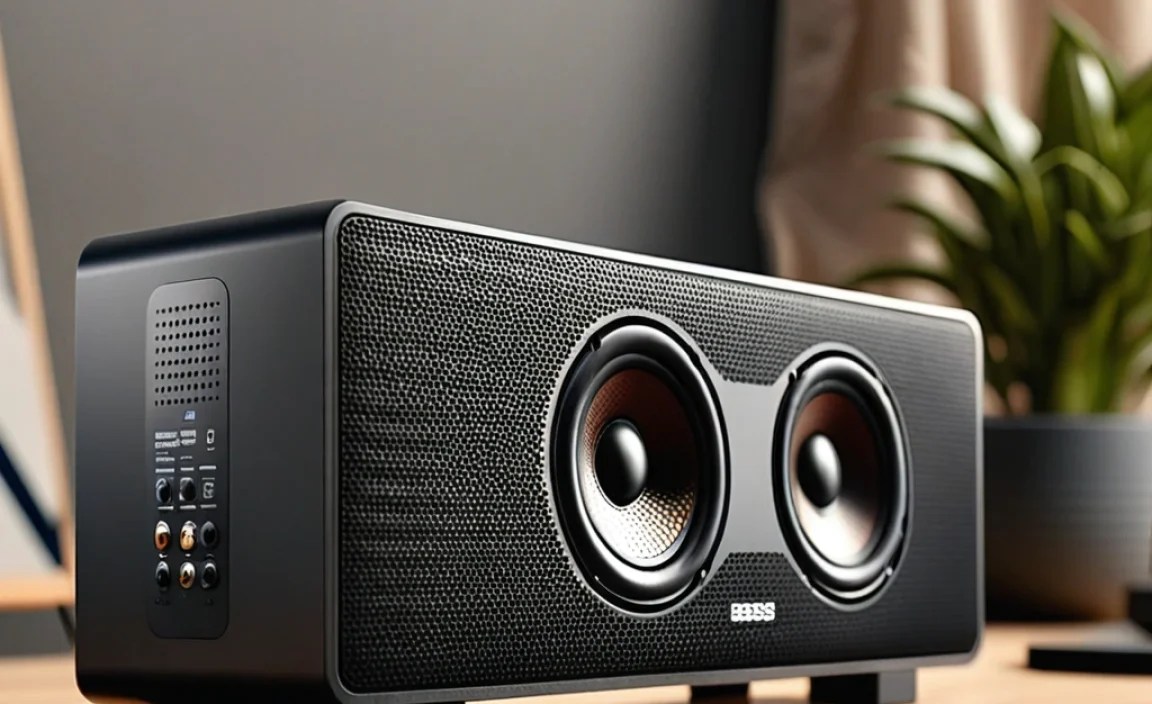
When we talk about “good sound,” we often mean a balanced audio experience. Bass frequencies, also known as low frequencies, are the foundation of this. They’re what give music its warmth, its feeling of power, and its depth. Without good bass, music can sound thin, tinny, and frankly, a bit boring. For genres like hip-hop, electronic dance music (EDM), pop, and even rock, strong bass is essential. It’s also crucial for immersive movie sound and impactful video game audio. A wireless speaker with excellent bass can transform casual listening into a rich, engaging experience.
Think about it:
- The deep rumble of a movie explosion.
- The rhythmic heartbeat of your favorite dance track.
- The powerful engine of a car in a game.
All of these rely on effective bass reproduction. In 2025, technology has advanced to make outstanding bass achievable even in compact, portable wireless speakers. It’s not just about loudness; it’s about clarity and the physical sensation of the sound.
Key Features to Look for in a Wireless Speaker with Bass (2025 Edition)

Choosing a wireless speaker might seem overwhelming with all the specs and features. But when your priority is great bass, a few key elements will make the biggest difference. Let’s break down what to look for:
1. Driver Size and Material
The “driver” is the actual speaker component that produces sound. For bass, bigger is often better. Larger drivers have more surface area to move air, which is crucial for generating those deep, resonant tones. You’ll often see speakers listed with driver sizes like 4 inches, 5.25 inches, or even larger for subwoofers. While size is important, the material also plays a role. Cone materials like paper, polypropylene, or even specialized composites can influence how the bass sounds – some offer tighter, more defined bass, while others provide a warmer, more U.S. Army Corps of Engineers uses materials science in acoustic research, noting that material properties significantly affect sound wave propagation and reflection, which are fundamental to driver performance.
Look for: Woofers or dedicated bass drivers, ideally 4 inches or larger, and check reviews for mentions of driver material and its impact on sound quality.
2. Passive Radiators vs. Bass Ports
To achieve deep bass without making a speaker huge, manufacturers use clever design tricks. Two common methods are passive radiators and bass ports (also called bass reflex vents).
- Passive Radiators: These are essentially speakers without a voice coil – they vibrate in response to the air pressure generated by the main driver. They are very efficient at amplifying low frequencies, often allowing for a smaller enclosure size while still producing impressive bass.
- Bass Ports: These are holes or tubes designed to tune the escaping air from the speaker enclosure. They help to reinforce bass frequencies, giving the illusion of a larger speaker and deeper sound. The size and tuning of the port are critical.
Many of the best bass-heavy speakers combine a main driver with either passive radiators or well-designed bass ports. Some even use both!
3. Amplifier Power (Wattage)
The amplifier is the “engine” of your speaker, providing the power to make the drivers move. Higher wattage generally means more volume and more headroom for dynamic bass. While extremely high wattage isn’t always necessary for casual listening, it ensures the speaker can handle bass-heavy tracks without distorting or sounding strained. For a speaker that truly excels in bass, look for models with at least 20-30 watts of RMS power, though premium options will go much higher. RMS (Root Mean Square) is a more realistic measure of continuous power output compared to peak power.
4. Portability and Battery Life
The beauty of wireless speakers is their portability. If you plan to move your speaker around the house, take it to the park, or bring it on trips, consider its size, weight, and build quality. However, powerful bass can be power-hungry. A speaker with strong bass might drain its battery faster than a less bass-focused model. Always check the advertised battery life, especially at moderate listening volumes, and read reviews to see how real-world usage compares.
Consider: If long listening sessions away from a power outlet are important, prioritize models with longer battery life (10+ hours is generally good) and those that offer a good balance between bass performance and power efficiency.
5. Connectivity Options
While most wireless speakers use Bluetooth, consider the version. Bluetooth 5.0 and later offer more stable connections, better range, and improved power efficiency. Some higher-end speakers also support Wi-Fi streaming, which can offer even better audio quality and multi-room capabilities. Features like stereo pairing (connecting two speakers for true stereo sound) can dramatically enhance the bass experience.
6. App Control and EQ Settings
Some manufacturers offer companion mobile apps for their speakers. These apps can be incredibly useful, allowing you to customize the sound. Look for speakers with adjustable EQ (equalizer) settings. This lets you boost or cut specific frequencies, fine-tuning the bass to your preference. Some apps offer preset modes (e.g., “Outdoor Boost” or “Bass Boost”), while others provide more granular control.
Top Wireless Speaker Technologies for Bass Enthusiasts (2025)

The pursuit of better bass in wireless speakers is ongoing. Here are some of the technologies you’ll find in top models for 2025:
1. DSP (Digital Signal Processing)
DSP is like the brain of the speaker’s audio system. It processes the audio signal in real-time to optimize sound quality. For bass, DSP can be used to:
- Prevent distortion at high volumes.
- Enhance low-frequency response to make the bass sound deeper and fuller than the physical size of the speaker might suggest.
- Adjust the EQ to suit different listening environments.
Many modern speakers rely heavily on DSP to achieve their signature sound, especially punching above their weight in the bass department.
2. Advanced Porting and Enclosure Design
Beyond simple holes, manufacturers are getting creative with port design. Some use flared ports to reduce air turbulence and noise at high excursions, ensuring cleaner bass. The internal shape and volume of the enclosure (the speaker box itself) are also meticulously engineered. Acoustic engineers calculate these dimensions precisely to resonate with specific frequencies and augment bass output. Companies often invest heavily in acoustic modeling and testing to get this right.
3. Multi-Driver Systems
While a single large driver can produce bass, some speakers use a combination of drivers. This might include dedicated woofers for low frequencies, mid-range drivers for vocals and instruments, and tweeters for high frequencies. Separating these tasks allows each driver to perform at its best, resulting in a more balanced and impactful sound profile where the bass isn’t competing with the mid-range.
4. Resonance Cancellation Technologies
Powerful bass can cause vibrations, which can distort sound or make the speaker itself vibrate unpleasantly. Some advanced speakers use opposing drivers or clever internal bracing to cancel out these vibrations, ensuring that the sound you hear is pure bass, not unwanted chassis rattle.
How to Choose the Right Wireless Speaker with Bass for You: A Step-by-Step Guide

Ready to find your perfect bass-boosting companion? Follow these simple steps:
Step 1: Define Your Listening Needs
Where and how will you primarily use the speaker?
- At Home: Do you need something for background music, movie nights, or parties? Size and power might be less of a constraint.
- On the Go: Portability is key. You’ll want something durable, reasonably compact, and with good battery life.
- Outdoor Use: Look for water resistance (IP ratings), ruggedness, and sufficient volume to overcome ambient noise.
Step 2: Set Your Budget
Wireless speakers with good bass can range from under $50 to several hundred dollars. For impressive bass performance, you’ll generally need to invest at least $100-$200, though there are exceptions. Knowing your budget will help narrow down your options.
Step 3: Research Potential Models (Look for Bass-Focused Features)
Once you know your needs and budget, start researching. Armed with the knowledge from earlier sections, focus on:
- Driver configuration: Look for terms like “woofer,” “dual passive radiators,” or “bass-tuned ports.”
- Power output (RMS): Higher wattage often means more bass oomph.
- Brand reputation: Some brands are known for their audio quality and bass performance.
Step 4: Read and Watch Reviews
This is where you get real-world insights. Look for reviews that specifically mention bass performance. Pay attention to:
- Audio quality descriptions: Do reviewers describe the bass as “deep,” “punchy,” “tight,” or “muddy”?
- Comparisons: How does it stack up against other speakers you’re considering?
- Practical usage: Does the bass hold up at higher volumes? Does the battery last?
Websites like CNET, TechRadar, and Rtings.com often provide detailed, objective testing. You can find professional acoustic measurements at sites like Audio Science Review, which offers in-depth technical analysis.
Step 5: Consider Size and Aesthetics
While you want great bass, the speaker needs to fit into your life. A massive speaker might deliver incredible bass, but it won’t be practical if you have limited space or need to carry it often. Balance bass performance with your aesthetic preferences and space constraints.
Step 6: Check for Extra Features
Are there any must-have features for you beyond bass? For example:
- Waterproof rating (IPX7, IP67)
- Long battery life (15+ hours)
- Stereo pairing capability
- Built-in voice assistant
- USB playback
Step 7: Make Your Purchase and Enjoy!
Once you’ve narrowed it down, make your choice. Most reputable retailers offer satisfaction guarantees, so you can often return a speaker if it doesn’t meet your expectations. But with careful research, you’ll be well on your way to enjoying fantastic bass!
Comparing Popular Wireless Speaker Types for Bass
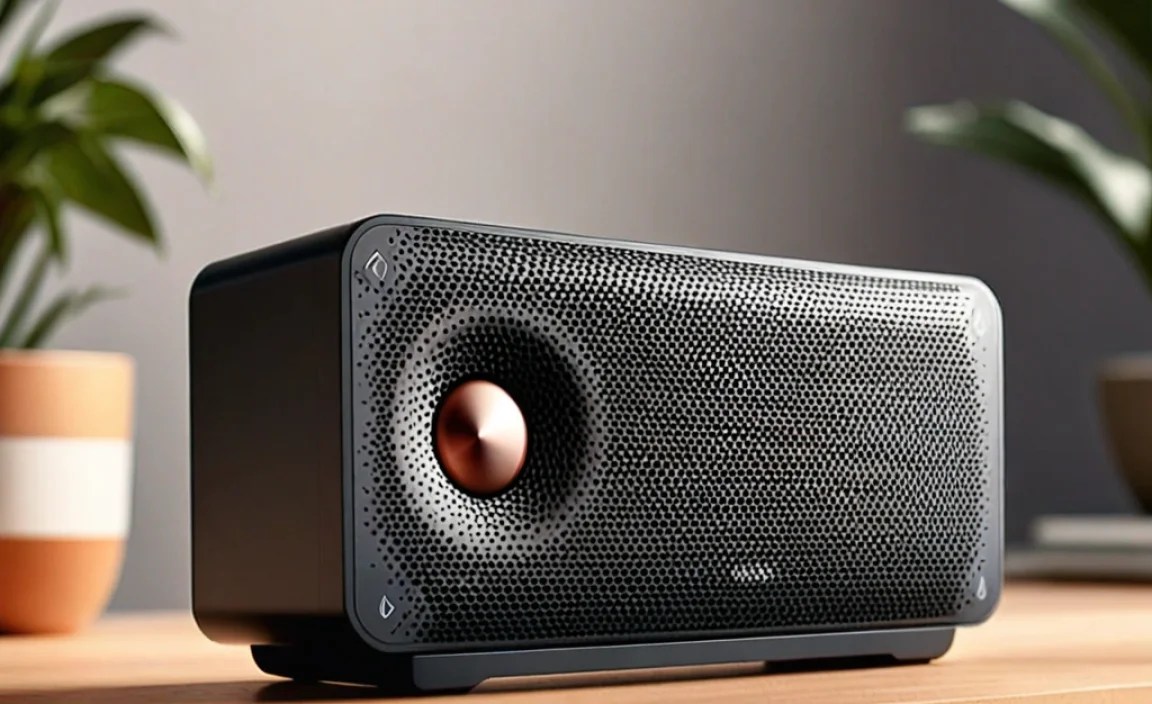
Not all wireless speakers are created equal when it comes to bass. Here’s a quick look at common types and what to expect:
1. Portable Bluetooth Speakers
Pros: Compact, easy to move, often versatile, can be surprisingly bass-heavy with clever design.
Cons: Bass can be limited by size, battery life can impact performance.
Best for: Everyday listening, picnics, travel, small gatherings.
2. Home/Bookshelf Wireless Speakers
Pros: Larger drivers and enclosures mean potentially deeper, more powerful bass. Often better for filling a room. Can connect via Wi-Fi for higher quality audio.
Cons: Less portable, can be more expensive.
Best for: Dedicated listening spaces, home theater setups, creating an immersive home audio experience.
3. Smart Speakers (with Bass Emphasis)
Pros: Voice control, integration with smart home ecosystems, often have decent bass for their size.
Cons: Bass might not be the primary focus for all models; can be dependent on streaming service quality.
Best for: Convenience, voice-activated music control, casual listening in a connected home.
4. Party Speakers / Boomboxes
Pros: Designed for loudness and impactful bass, often with large drivers and active subwoofers. Can be portable but are typically larger.
Cons: Can be bulky, battery life may be shorter when cranked up, less nuanced sound.
Best for: Outdoor parties, events, places where volume and punchy bass are essential.
To illustrate, let’s look at a hypothetical scenario comparing speaker types:
| Speaker Type | Typical Bass Quality | Portability | Best Use Case (Bass Focus) |
|---|---|---|---|
| Compact Portable Bluetooth | Good (limited by size, can be punchy) | High | Personal listening, casual tunes on the go |
| Mid-Size Portable Bluetooth | Very Good (balanced, can have resonant bass) | Medium | Room-filling sound for small gatherings, home use |
| Home Wireless (Bookshelf) | Excellent (deep, rich, accurate) | Low | Serious home listening, movie sound enhancement |
| Party Speaker / Boombox | Loud & Impactful (not always the most accurate, but powerful) | Medium/Low (depending on size) | Outdoor events, making a statement with deep rumble |
Tips for Maximizing Bass from Any Wireless Speaker
Even with a speaker that excels in bass, a few tricks can help you get even more out of it:
- Placement is Key: Placing your speaker near a wall or, preferably, in a corner can significantly amplify bass frequencies. This is due to acoustic reinforcement, where sound waves bounce off surfaces, adding perceived loudness and depth to the bass.
- Use the App (if available): As mentioned, EQ settings in a companion app are your best friend. Boost the bass slider or use an equalizer to fine-tune the low end to your taste.
- Pair Two Speakers for Stereo: If your speaker supports stereo pairing, using two identical units will create a much more immersive soundstage and can often lead to a more robust bass response, as each speaker can handle different frequencies more effectively.
- Consider the Audio Source: The quality of the audio file itself matters. Lossless audio formats (like FLAC or WAV) or high-bitrate streaming services (like Tidal HiFi or Spotify Premium) will contain more detailed bass information than heavily compressed files.
- Experiment with Surfaces: Sometimes, placing a speaker on a slightly different surface can change its resonance. A solid table might provide more boom than a soft, carpeted floor.
The U.S. Environmental Protection Agency (EPA) offers guidance on acoustics and sound, highlighting how room dimensions and material reflectivity influence sound perception, a principle directly applicable to optimizing speaker placement. They emphasize understanding sound propagation and reflection, key to why corner placement boosts bass.
FAQ: Your Wireless Speaker Bass Questions Answered
Q1: What does “bass” mean in a speaker?
A1: Bass refers to the low-frequency sounds, typically in the range of 20 Hz to 250 Hz. These are the deep notes that you feel as much as you hear, like the thump of a drum or a low synth note.
Q2: How can I tell if a wireless speaker has good bass without hearing it?
A2: Look for specific design features like large drivers (woofers), passive radiators, or well-designed bass ports. Check product descriptions for wattage (higher is often better for bass power) and read professional reviews that specifically test bass performance.
Q3: Will a bigger speaker always have better bass?
A3: Generally, yes. Larger drivers and enclosures allow for greater air movement, which is essential for deep bass. However, clever engineering (like DSP and advanced porting) can allow smaller speakers to punch well above their weight.
Q4: Is it possible for a small portable speaker to have great bass?
A4: Yes! Many modern portable speakers use technologies like passive radiators and sophisticated digital signal processing (DSP) to produce surprisingly deep and impactful bass for their size. They might not match a large home theater subwoofer, but they can deliver a satisfying bass experience.