
Do you ever wonder what those ports on your TV are for? With the rise of UHD (Ultra High Definition) technology, understanding TV ports becomes even more important. Imagine you just bought a shiny new UHD TV. You’re excited to set it up, but those ports look confusing. What do they all do?
Many people think TV ports are just for connecting cables. But they’re much more than that! Each port has a special job that can affect your viewing experience. For example, did you know that using the right HDMI port can make your picture look much better? It’s true!
In this article, we will explain the different types of TV ports. We will also show how they connect to UHD. By the end, you will feel like a pro when it comes to setting up your TV. So, let’s dive in and decode these mysterious ports together!
Tv Ports Explained: Understanding Uhd Connections And Features

Have you ever wondered what those ports on your TV do? Understanding **TV ports** is vital, especially for viewing **UHD** content. Common ports include HDMI, which carries high-quality audio and video. You might also find USB ports for streaming or playing media. Each port serves a specific function, making your viewing experience seamless. Did you know HDMI ports can support 4K and even 8K video? Knowing these details helps you choose the right cables and devices for the best picture quality.
HDMI Ports
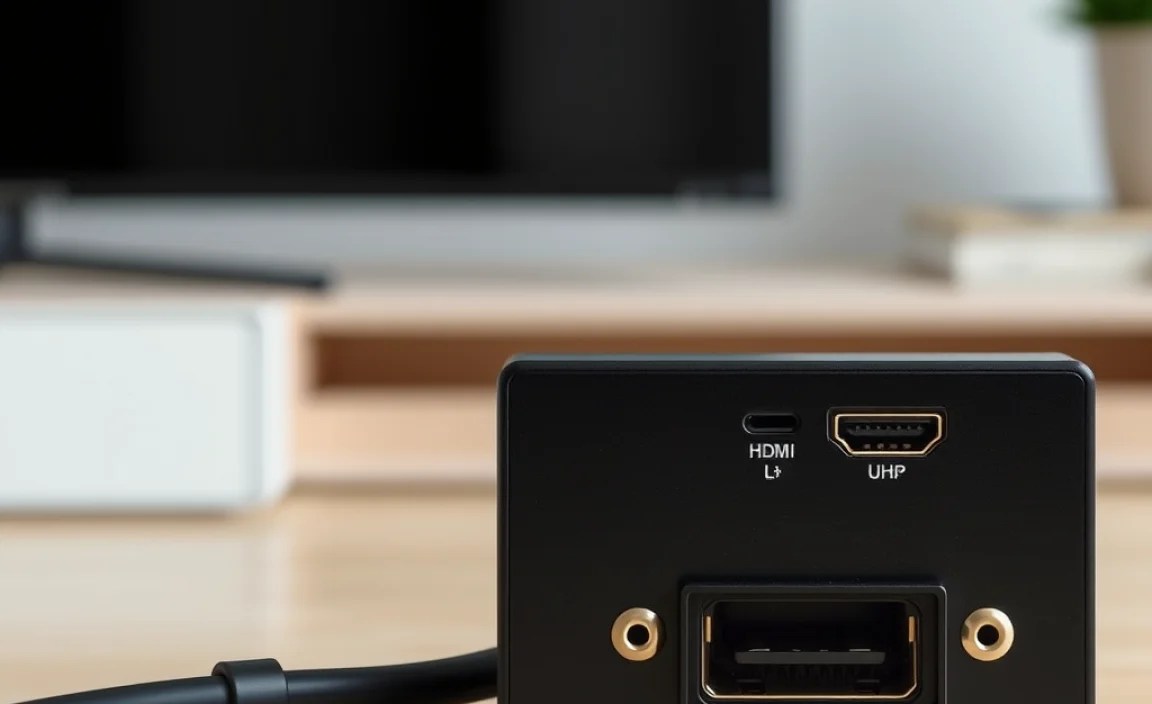
Explanation of HDMI standards (e.g., HDMI 2.0 vs HDMI 2.1). Benefits of HDMI for UHD content streaming.
HDMI ports bring the magic to your TV! They come in different versions, like HDMI 2.0 and HDMI 2.1. What’s the difference? Well, HDMI 2.0 supports 4K video at 60Hz, while HDMI 2.1 can handle amazing 8K at 120Hz. That’s like watching a cheetah run in high-speed detail! This allows for smooth streaming of UHD content, making your favorite shows pop with colors and clarity. Plus, HDMI cables carry audio, so it’s a two-for-one deal!
| Standard | Max Resolution | Frame Rate |
|---|---|---|
| HDMI 2.0 | 4K | 60Hz |
| HDMI 2.1 | 8K | 120Hz |
So, if you’re planning to stream UHD content, make sure your HDMI is top-notch. It’ll make movie nights feel like a fun roller coaster. Buckle up!
USB Ports
Purpose of USB ports on UHD TVs. Types of supported devices (e.g., flash drives, external hard drives).
USB ports on UHD TVs help connect devices easily. They support many gadgets, making it simple to play videos or music. You can plug in:
- Flash drives for quick access to files
- External hard drives for bigger storage
- Game consoles to enjoy gaming on the big screen
These ports make your TV more fun and interactive. You can enjoy different media quickly and share your favorite content with friends and family!
What devices can I connect to a USB port on my UHD TV?
You can connect a wide range of devices. The most common are flash drives and external hard drives. They allow you to view photos, videos, and more right on your TV!
Optical Audio Ports

Role of optical audio ports in home theater systems. Comparison with other audio output options.
In a home theater, optical audio ports play an important role. They send digital sound from the TV to audio systems. This makes the sound clear and rich. Many people use them because they reduce noise. Compared to other options, like HDMI, they are simpler. However, they lack extra features. Here’s a quick comparison:
- Optical Audio: Good sound quality, no electrical interference.
- HDMI: Carries both video and audio, better for newer systems.
- RCA: Older, simpler, but lower sound quality.
Why use optical audio ports?
Optical audio ports offer clear sound without noise. They are perfect for a smooth home theater experience.
Component and Composite Ports
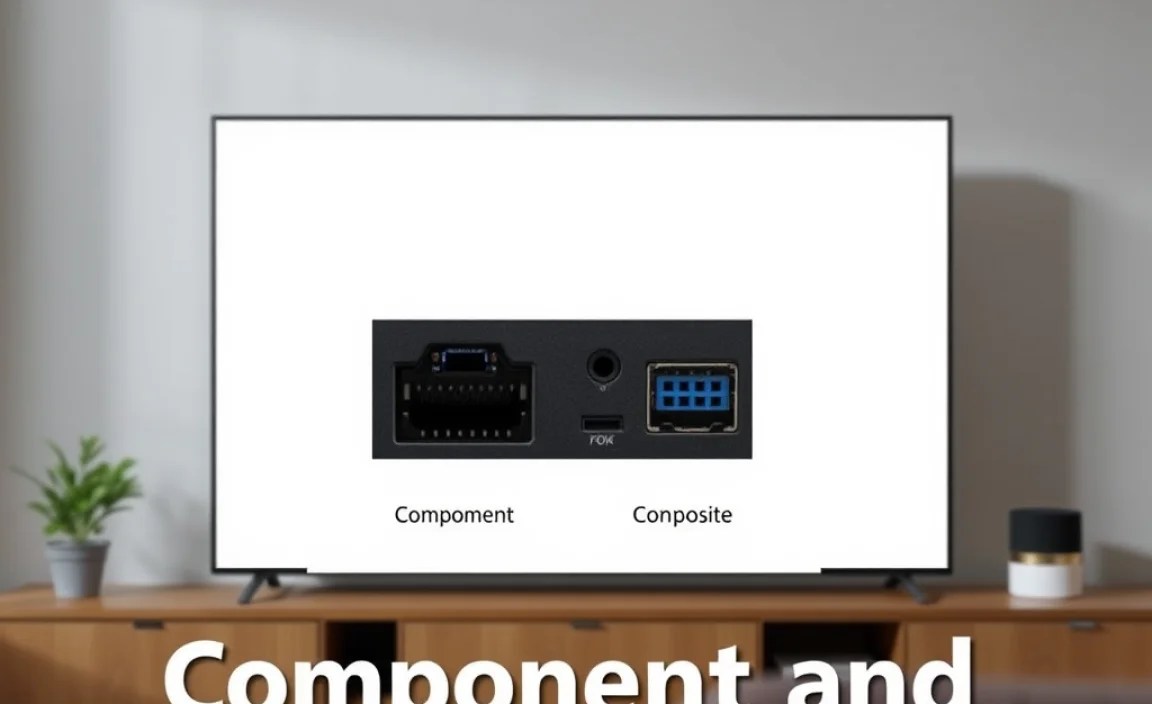
Differences between component and composite connections. Relevance in today’s UHD landscape.
When connecting your TV, you might see two types of ports: component and composite. Component ports have three cables (red, green, blue) for better **picture quality**, while composite ports use one cable (yellow), making it a bit less fancy. In today’s UHD world, component ports are more popular because they support high definition. Think of it like the difference between a fancy pizza with toppings and a plain cheese slice—both are good, but one is just a little better!
| Feature | Component Ports | Composite Ports |
|---|---|---|
| Quality | High Definition | Standard Definition |
| Cables Used | Three (Red, Green, Blue) | One (Yellow) |
| Current Relevance | Very Relevant for UHD | Less Relevant |
Ethernet Ports
Importance of internet connectivity for smart UHD TVs. Benefits of wired vs. wireless connections.
Smart UHD TVs need a solid internet connection to stream your favorite shows. An Ethernet port is like a VIP pass for your TV, giving it high-speed access to the internet. Wired connections often beat wireless ones in speed and reliability, especially during a thrilling climax in your favorite series. So, don’t let buffering be the villain in your binge-watching saga! Here’s a simple table to show the differences:
| Connection Type | Speed | Reliability |
|---|---|---|
| Wired (Ethernet) | Fast | High |
| Wireless (Wi-Fi) | Variable | Medium |
Choosing the right connection can save you from a world of frustration. So remember, while Wi-Fi is convenient, Ethernet is your trusty sidekick!
RF Coaxial Ports
Explanation of RF coaxial connections for TV signals. Integration with cable or satellite providers for UHD content.
RF coaxial ports are important for connecting your TV to cable or satellite. These connections help deliver clear TV signals. They come with a metal shield that protects the signal from interference. Many people use these ports to watch UHD (Ultra High Definition) content. This allows you to enjoy movies and shows in amazing clarity and detail.
What is RF coaxial used for?
RF coaxial connections are used mainly for TV signals. They help integrate with cable or satellite providers for better UHD content.
Benefits of RF Coaxial Connections:
- Strong signal quality
- Less chance of interference
- Easy to set up
- Compatible with many devices
Future of TV Ports
Anticipated trends in TV port technology. Impact of advancements on UHD viewing experiences.
The future of TV ports looks bright and exciting. New technologies are coming soon that will make our watching experiences even better. With higher speeds and better quality, we will enjoy more amazing shows and games. This means clearer pictures and smoother actions on our screens. Here are some key trends to watch for:
- Enhanced Data Transfer: Faster connections will let devices share large files effortlessly.
- More Compatibility: TVs will connect easily with many new gadgets.
- Improved Visual Experience: Expect stunning colors and detail with UHD technology.
- Smart Features: TVs may get smarter with built-in apps and voice controls.
Advancements are not just about speed but also about making our viewing better. Who doesn’t want to see their favorite shows in the best quality?
What new TV ports are coming?
Upcoming ports include HDMI 2.1 and USB-C, which will support higher resolutions and faster connections for smarter TVs.
Conclusion
In summary, understanding TV ports helps you connect devices easily. UHD TVs offer better picture quality with HDMI and DisplayPort connections. Remember to check your devices for compatibility. You can enhance your viewing experience by using the right ports. Explore more about TV technology to make informed choices. Let’s dive deeper into the world of TVs together!
FAQs
Sure! Here Are Five Related Questions About Tv Ports And Uhd (Ultra High Definition):
Okay! UHD stands for Ultra High Definition. It’s a super clear picture on your TV. TV ports are the holes where you plug in your devices, like a game console or DVD player. They help the TV show the best picture and sound. Using the right ports helps you enjoy your favorite shows and games more!
Sure! Please provide the question you would like me to answer.
What Are The Different Types Of Ports Available On Uhd Tvs, And How Do They Differ In Functionality?
UHD TVs have different