
A great speaker can make or break your party! This guide helps you choose the perfect speaker for any event. We’ll cover essential features, types of speakers, and practical tips to ensure your music sounds fantastic, turning any gathering into an unforgettable bash.
Planning a party is exciting! You’ve got the decorations, the snacks, and the guest list ready to go. But what about the music? Great tunes are the lifeblood of any party, and a good speaker is your key to making that happen. If you’re wondering which speaker is best for your party needs, or if your current setup isn’t cutting it, don’t worry! This guide is here to help you fix your party sound and make sure the music keeps everyone on their feet. We’ll walk through everything you need to know, from understanding different speaker types to choosing the one that’s just right for your next get-together.
Why the Right Speaker Makes All the Difference
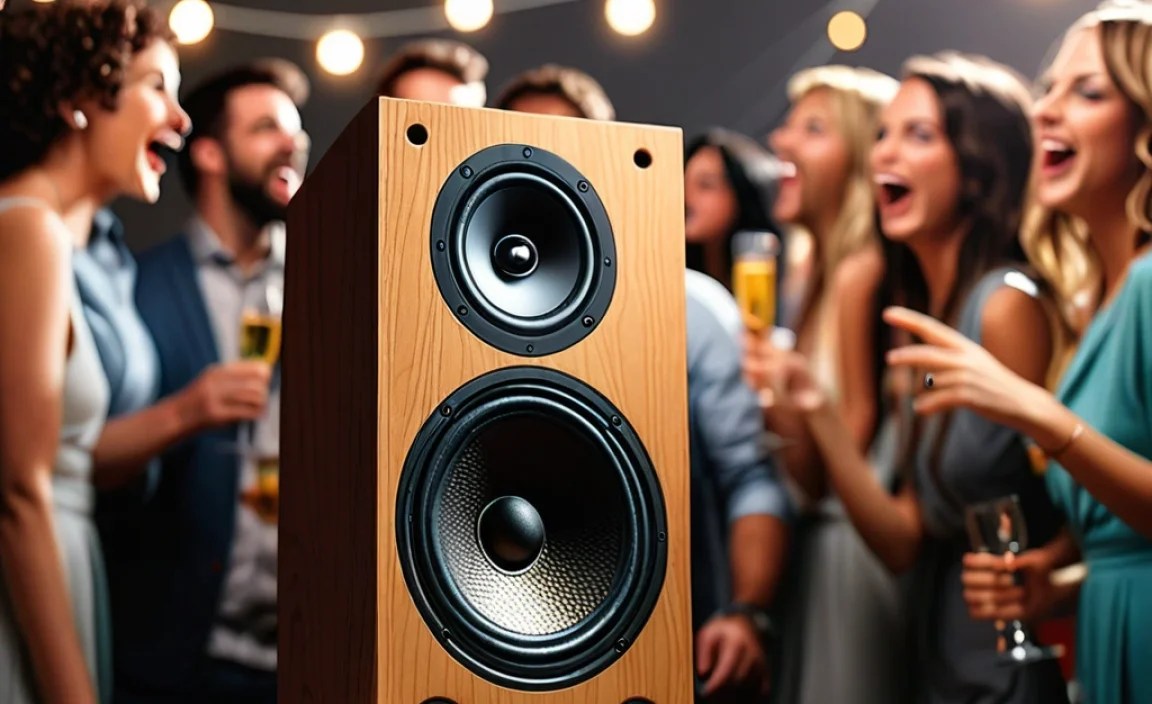
A party without good music feels a bit… flat, right? The right speaker doesn’t just play songs; it creates an atmosphere. It fills the space with energy, gets people talking, and makes memories. On the other hand, a speaker that’s too quiet, sounds tinny, or runs out of battery halfway through can quickly turn your awesome party into a disappointment. Think about it: a booming bassline can get everyone dancing, while crisp vocals make singalongs even more fun. The goal is to have a speaker that’s powerful enough for your space, sounds clear, and lasts as long as the party does.
Understanding Speaker Basics for Parties
Before we dive into choosing, let’s quickly touch on what makes a speaker good for a party.
Key Features to Look For
When you’re scanning the options, keep an eye out for these important features:
Sound Quality: This is paramount! Look for clear highs, defined mids, and a decent bass response. A speaker shouldn’t sound distorted or muffled, even at higher volumes.
Volume Output (Wattage): More watts generally mean more volume. Consider the size of your party area – a small backyard needs less power than a large hall.
Portability: Will you be moving the speaker around? Look for lightweight designs, built-in handles, and consider battery life if you won’t have access to an outlet.
Battery Life: If a portable speaker, check how long it can play on a single charge. No one wants the music to die before the party ends! Aim for at least 6-8 hours for a decent gathering.
Connectivity: How will you connect your music source? Bluetooth is the most common and convenient for parties, but also check for AUX input or USB ports. Wi-Fi connectivity can offer better streaming quality for home use.
Durability & Water Resistance: If your party is outdoors or near a pool, water resistance (often rated with an IP code, like IPX7) is a lifesaver. Sturdy construction also helps if the speaker gets bumped around.
Stereo Pairing/Multi-speaker Support: Some speakers can be paired together to create a wider stereo soundstage or fill a larger area with sound. This is a great upgrade for bigger events.
Types of Speakers for Party Fixes
Not all speakers are created equal, and the best pick depends on your party’s needs.
1. Portable Bluetooth Speakers
These are the go-to for many casual parties. They’re wireless, easy to move, and often have great battery life.
Pros: Highly portable, generally affordable, simple to set up, no wires needed.
Cons: Sound quality and volume can vary greatly; might not be powerful enough for large spaces or very loud events.
Best For: Backyard BBQs, casual get-togethers, picnics, beach parties.
2. Party Speakers / Boomboxes
These are larger, more powerful speakers designed specifically for events. They often have louder sound, bigger bass, and sometimes extra features like DJ lights or microphone inputs.
Pros: High volume output, impressive bass, can fill large rooms or outdoor areas, often have robust build.
Cons: Less portable, can be more expensive, might require AC power.
Best For: Larger house parties, outdoor gatherings, dancing, events where music is a main focus.
3. Smart Speakers
While not their primary function, some smart speakers can pump out decent sound and offer voice control for your playlist.
Pros: Voice control, can integrate with smart home systems, often have good sound for their size.
Cons: Dependent on Wi-Fi, battery life is usually not a feature, can be limiting in terms of connectivity options for a party.
Best For: Smaller, relaxed gatherings where voice control and background music are desired.
4. Component Speaker Systems (Less Common for Casual Parties)
These are more for home entertainment setups or larger, more professional events. They involve separate amplifier and speaker units.
Pros: Highest potential for sound quality and power.
Cons: Complex setup, expensive, not portable, overkill for most parties.
Best For: Serious home theater enthusiasts or professional event organizers.
Here’s a quick look at how these types compare for party use:
| Speaker Type | Portability | Max Volume (General) | Sound Quality (General) | Price Range (General) | Typical Party Use |
| Portable Bluetooth | High | Medium | Good to Very Good | $ | Backyard parties, casual get-togethers |
| Party Speaker / Boombox | Medium | High | Very Good to Excellent | $$ – $$$ | Larger house parties, outdoor events, dancing |
| Smart Speaker | Low | Low to Medium | Good | $ – $$ | Small, chill gatherings, background music |
| Component System | Very Low | Very High | Excellent | $$$$ | Home theater, professional setups (not typical party) |
Choosing the Right Speaker: A Step-by-Step Approach

Let’s break down how to pick the perfect speaker for your party.
Step 1: Define Your Party Needs
Before you start browsing, ask yourself a few questions about your party:
Where will the party be held? Indoors (living room, basement) or outdoors (backyard, park)?
How many people are you expecting? A small group vs. a large crowd changes the sound requirements.
What’s the vibe? Chill background music, a dance party, or a mix of both?
Will it be near a power source? This determines if battery life is a critical factor.
What’s your budget? Speaker prices can range from $50 to $500+ for consumer models.
Step 2: Consider the Space
The environment plays a huge role.
Small Room (e.g., apartment living room): A good quality portable Bluetooth speaker or a small party speaker will likely be sufficient. You don’t want something so powerful it causes distortion or makes conversation difficult.
Medium Space (e.g., backyard, large den): You’ll need something with a bit more oomph. A larger portable speaker or a dedicated party speaker is a good choice. Consider how sound travels outdoors; walls and furniture can absorb sound indoors.
Large Space (e.g., rented hall, large garden): This is where you need serious volume and potentially multiple speakers. A powerful party speaker or even a system designed for larger events might be necessary. Look for speakers with good bass to carry sound further.
Step 3: Evaluate Sound Quality and Volume
“Loud” doesn’t always mean “good.” You want clarity at volume.
For dancing and high-energy parties: Look for speakers with strong bass and high wattage. Party speakers are often designed for this. Check reviews that specifically talk about bass performance at louder volumes.
For background music and conversation: Clarity is more important than raw power. A well-balanced speaker with clear mids and highs will enhance the atmosphere without overpowering it.
Wattage (W): While not the only indicator of loudness, higher wattage generally means more volume potential. For a small room, 10-30W might be fine. For a backyard, 50-100W or more is better. For large spaces, you might need 100W+ per speaker.
A great resource for understanding audio power and its impact can be found on sites like the Federal Communications Commission (FCC), which discusses how electronic devices interact with radio frequencies, indirectly touching on power output and signal integrity in consumer electronics.
Step 4: Portability and Power Source
Battery-Powered: Essential for outdoor parties or if you’re moving the speaker around. Always check the advertised battery life and read user reviews, as real-world performance can differ. 10-12 hours is a good target for a full day event.
Plug-In: If the party is stationary indoors and you’re sure there’s an outlet, a plug-in speaker offers unlimited playtime. These are often more affordable for the same audio power.
Step 5: Connectivity Options
Bluetooth: The most common. Make sure it’s a recent version (like Bluetooth 5.0 or higher) for better range and stability.
3.5mm AUX Input: A great backup if Bluetooth is unreliable or if you’re connecting an older device.
Wi-Fi: Offers higher quality streaming but ties you to your home network. Some portable speakers offer both Bluetooth and Wi-Fi.
USB: Useful for charging devices or playing music from a USB drive, though less common for party playlists.
Step 6: Durability Features
IP Rating: For outdoor parties, look for an IPX4 rating (splash-proof) at a minimum. IPX7 (submersible) offers excellent protection against rain and accidental dips.
Build Quality: A rugged casing and protective grille will help your speaker survive the bumps and spills that often come with parties.
Top Speaker Picks for Your Party Fix

Here are some popular types and examples of speakers that can solve your party sound woes.
The All-Rounder: Portable Bluetooth Speaker
These are fantastic for most casual parties. They’re easy to use, move, and offer good sound for their size.
Examples:
JBL Charge Series: Known for their great sound, good bass, and impressive battery life. Many are water-resistant.
UE Boom/Megaboom Series: Offer 360-degree sound and are very durable and water-resistant, making them great for outdoor use.
Sony SRS-XB Series: Focused on extra bass, which is excellent for parties where you want that thump.
The Powerhouse: Dedicated Party Speaker
When you need serious volume and a club-like atmosphere, these are the way to go.
Examples:
JBL PartyBox Series: These are big, loud, and often come with cool LED lighting effects. They are designed to fill a large space with sound and bass.
Sony MHC-V Series: Similar to JBL’s PartyBox, offering high power, deep bass, and sometimes DJ features.
Anker Soundcore Rave Series: A more budget-friendly option that still packs a punch in terms of volume and bass for parties.
Stereo Pairing: Expanding Your Sound
Many modern portable and party speakers allow you to pair two identical speakers for true stereo sound or to spread the audio further. This is a game-changer for larger areas.
How it Works:
1. Turn on both speakers and put them in pairing mode (check your manual).
2. Use the app or buttons on one speaker to connect it to the other.
3. Connect your phone or music source to one of the paired speakers.
4. You’ll get left and right channels for stereo sound, or simply double the coverage!
This is a great way to enhance the immersive experience of your party music.
Troubleshooting Common Party Speaker Problems
Even the best speakers can run into issues. Here are some common problems and how to fix them.
Problem: Speaker Won’t Connect via Bluetooth
1. Check Distance: Ensure your device is within the Bluetooth range of the speaker (usually around 30-50 feet).
2. Restart Devices: Turn off Bluetooth on your phone/tablet, then turn it back on. Restart the speaker and your device.
3. Forget and Re-pair: On your device, go to Bluetooth settings, “forget” the speaker, then search for it again and re-pair.
4. Check Speaker Mode: Make sure the speaker is in Bluetooth pairing mode.
5. Interference: Other wireless devices can interfere. Try moving away from microwaves or other strong wireless emitters.
Problem: Sound is Distorted or Sounds Bad
1. Lower the Volume: The most common cause is pushing the speaker too loud. Turn the volume down on both the speaker and your music source.
2. Check Audio Source: Ensure the music file or streaming quality is good. A low-quality MP3 will sound bad.
3. Equalizer Settings: Check the EQ settings on your phone or the speaker’s app. Extreme bass or treble boosts can cause distortion.
4. Not Enough Power: If you’re outside or in a large space, a small speaker might simply not be powerful enough. Consider a bigger speaker or adding a second one.
5. Damaged Speaker: In rare cases, the speaker itself might be damaged. Try another Bluetooth source to test.
Problem: Battery Doesn’t Last Long Enough
1. Check Advertisement vs. Reality: Advertised battery life is often at a medium volume. Playing at maximum volume drains the battery much faster.
2. Use a Power Bank: For portable speakers, a compatible USB power bank can extend playtime significantly.
3. Charge Between Sets: If possible, plug the speaker in to charge during quieter moments or between songs.
4. Lower Volume: Playing at a lower volume conserves battery.
5. Speaker Age: Battery capacity degrades over time. If the speaker is several years old, the battery might need replacing or the speaker might need an upgrade.
Problem: Bass is Weak
1. Speaker Placement: Bass frequencies are affected by placement. Try placing the speaker near a wall or in a corner to “boost” the bass. Avoid placing it in the middle of a large, open space if bass is weak.
2. EQ Settings: Use the EQ settings on your device or the speaker’s app to increase the bass.
3. Speaker Limitations: Some smaller portable speakers are not designed to produce deep, powerful bass. You might need a larger party speaker or a speaker specifically marketed for strong bass.
4. Pairing Speakers: Pairing two speakers can sometimes enhance bass response, especially if they are designed to work together.
Frequently Asked Questions About Party Speakers
Here are answers to some common questions everyday party hosts have.
Q1: What’s the most important feature for a party speaker?
Bob: For most parties, volume and sound clarity are king. You need sound that fills the space without sounding blown out or distorted. After that, portability and battery life are usually next in line.
Q2: How much wattage do I need for a backyard party?
Bob: For a typical backyard gathering of 20-50 guests, a speaker in the 50W to 100W range is usually a good starting point. If you plan on having a dance-heavy party or have a very large yard, aim for 100W or more.
Q3: Can I use my regular home speaker for a party?
Bob: You certainly can if it’s loud enough for your space and guest count! However, home speakers often lack the durability, portability, and battery power needed for a lively party environment. A dedicated party speaker or robust portable gets the job done better.
Q4: How do I make my speaker sound louder without distortion?
Bob: The best way is to not push the speaker past its limits. Lowering the volume slightly on both your device and the speaker itself, and ensuring good quality audio files will prevent distortion. Proper speaker placement can also make sound feel more immersive and project better.
Q5: Is a waterproof speaker really necessary for a party?
Bob: It’s highly recommended, especially for outdoor parties or if your party might get a little rowdy! Having a speaker with at least an IPX4 (splash-proof) rating can save it from accidental spills or light rain. An IPX7 rating offers even better protection.
Q6: How far away can Bluetooth speakers play music?
Bob: Standard Bluetooth range is typically between 30 to 50 feet (about 10-15 meters). However, this can be affected by obstacles (walls, furniture) and interference from other wireless devices. Newer Bluetooth versions (like 5.0) offer improved range and stability.
Conclusion
Choosing the right speaker can transform your party from ordinary to extraordinary. By understanding your party’s specific needs, considering the space, and knowing what features matter most, you can find a speaker that delivers fantastic sound. Whether you opt for a compact portable Bluetooth speaker for a casual get-together or a powerful party speaker to keep the dance floor moving, the key is to match the speaker’s capabilities to your event’s scale and atmosphere.
Don’t let bad sound ruin your next celebration. With this guide, you’re equipped to make a smart choice, troubleshoot any issues, and ensure your party has the perfect soundtrack. Happy hosting and happy listening!