
A portable speaker for outdoor installation is a versatile audio solution that brings music and entertainment to your patio, backyard, or campsite. It’s essential for enhancing outdoor gatherings, offering durability, weather resistance, and impressive sound quality that traditional indoor speakers can’t match.
Having great music flow from your favorite spot outdoors can transform a simple gathering into a memorable event. But what happens when you want that fantastic sound without being tied to an outlet or worrying about the weather? That’s where the genius of a portable speaker for outdoor installation comes in. It’s more than just a gadget; it’s your ticket to vibrant soundscapes wherever you want to be, from lazy afternoons by the pool to lively evening barbecues. No more fumbling with messy wires or risking your indoor speakers. We’ll guide you through making the perfect choice, ensuring your outdoor audio experience is as epic as your adventures.
Why a Portable Speaker is Your Outdoor Audio MVP

Let’s face it, the great outdoors deserves great sound! Whether you’re hosting a backyard party, enjoying a picnic in the park, or simply relaxing on your patio with a good book and some tunes, ambient sound can elevate the experience. However, not all speakers are built for the wild. Indoor speakers are delicate and susceptible to damage from elements like rain, dust, and extreme temperatures. Portable outdoor speakers are specifically designed to withstand these conditions, offering a robust and convenient solution.
Think about it: no more struggling with extension cords that trip people up, no more constant unplugging and replugging as you move around. A good portable speaker is all about freedom and flexibility. It’s your all-in-one audio companion that’s ready to move with you, from the deck to the garden, or even to a friend’s house. This adaptability makes it an indispensable tool for anyone who loves to share music or podcasts beyond their living room walls.
Key Features to Look For in Your Outdoor Speaker
When you’re scouting for the perfect portable speaker for outdoor installation, a few key features will make your decision much easier and guarantee a satisfying listening experience. These aren’t just fancy buzzwords; they’re crucial for ensuring your speaker performs well and lasts long in the open air.
- Weather Resistance (IP Rating): This is paramount. Look for an IP (Ingress Protection) rating. The higher the numbers, the better the protection. For general outdoor use, an IPX4 rating (splash proof) is a good start. For areas more exposed to rain or sprinklers, aim for IPX5 (water jets), IPX6 (powerful water jets), or even IPX7 (submersible up to 1 meter for 30 minutes). An IP67 rating, for example, means it’s dust-tight and can handle immersion in water. The International Electrotechnical Commission (IEC) provides detailed standards for IP ratings.
- Durability and Build Quality: Outdoor environments can be rough. Your speaker should be able to handle occasional bumps and drops. Materials like ruggedized plastic, rubberized edges, and reinforced grilles are good indicators of robust construction.
- Portability and Battery Life: Since it’s portable, consider its weight and size. More importantly, check the battery life. You don’t want your music to die halfway through your outdoor evening. Look for speakers that offer at least 10-12 hours of playback time on a single charge. Some even offer power bank functionality to charge your devices.
- Sound Quality: Even outdoors, you want clear, rich sound. Consider the speaker’s wattage, driver size, and whether it offers 360-degree sound for even coverage. Bass response is often a key factor for outdoor listening, as ambient noise can sometimes drown out lower frequencies.
- Connectivity Options: Bluetooth is standard, but check the Bluetooth version (e.g., Bluetooth 5.0 offers better range and stability). Some speakers also offer Wi-Fi connectivity for higher fidelity streaming or multi-room audio, AUX inputs, or USB-C ports for charging and playback.
- Stereo Pairing: The ability to pair two identical speakers for true wireless stereo (TWS) sound can significantly enhance the listening experience, creating a wider soundstage and more immersive audio, especially in larger outdoor spaces.
Choosing the Right Type of Portable Outdoor Speaker

Not all portable speakers are created equal, and the best one for you will depend on your specific needs and how you plan to use it. Here’s a breakdown of common types designed for outdoor enjoyment.
Compact & Lightweight Bluetooth Speakers
These are the workhorses of the portable world. They’re small enough to fit in a backpack, often have a loop or carabiner attachment, and are designed for casual listening, picnics, or taking to the beach. Their primary advantage is sheer portability and ease of use. Many are also surprisingly rugged and water-resistant, making them ideal for spontaneous outdoor sessions.
Pros:
- Extremely portable and easy to carry.
- Generally more affordable.
- Simple Bluetooth connectivity.
- Often very durable with good water resistance.
Cons:
- Sound may be less powerful for larger areas.
- Bass response can be limited due to size.
- Battery life can vary significantly.
Larger, High-Fidelity Outdoor Speakers
If you envision your backyard as your primary entertainment hub, or if you need a speaker that can fill a larger space with rich sound, these are for you. They offer more robust sound profiles, deeper bass, and often longer battery life. While still portable thanks to integrated handles or designs, they are less about tossing in a bag and more about setting up on a patio table or by the grill.
Pros:
- Superior sound quality with better bass and volume.
- Can fill larger outdoor spaces effectively.
- Often have longer battery life.
- May offer advanced features like Wi-Fi connectivity or stereo pairing.
Cons:
- Less portable due to larger size and weight.
- Typically more expensive.
- May require more careful placement for optimal sound.
Rugged and Waterproof Adventure Speakers
These are the tanks of the portable speaker world, built for the most demanding environments. Think camping trips, boating excursions, or poolside parties where splashes are guaranteed. They boast the highest levels of waterproofing and durability, often floating or designed to be submerged. Sound quality is usually very good, prioritizing loudness and clarity over nuanced audiophile details but still delivering an enjoyable experience.
Pros:
- Exceptional durability and waterproof capabilities.
- Designed to withstand harsh conditions.
- Often feature long battery life.
- Some can float, perfect for water activities.
Cons:
- Can be heavier and bulkier.
- Sound might be optimized for loudness over finesse.
- Can be pricier than standard portable speakers.
Outdoor Speaker Installation: A Step-by-Step Guide

While “portable” suggests minimal setup, giving your outdoor speaker a designated spot can actually enhance its performance and longevity. It’s not about permanent installation in the traditional sense, but rather strategic placement and preparation.
Step 1: Choose Your Ideal Location
Think about where you’ll be spending most of your time outdoors. Will it be on your patio, in the garden, by the pool, or on a deck? Consider these factors:
- Proximity to You: You want the sound to reach you clearly without being overwhelmingly loud.
- Protection from Elements: Even weather-resistant speakers benefit from some shelter from direct, prolonged rain or intense sun if possible. An overhang or covered porch can be beneficial.
- Surface Stability: Place the speaker on a stable, flat surface to prevent vibrations from affecting sound quality or causing it to tumble.
- Acoustics: Hard surfaces like walls or fences can reflect sound, potentially enhancing bass. However, too much reflection can lead to muddiness. Experiment with placement; a corner might boost bass but could sound boomy.
Step 2: Assess Power Needs (Charging)
Most portable speakers are battery-powered, but knowing your usage habits is key. If you plan for long listening sessions, ensure your speaker is fully charged beforehand. For extended outdoor events, consider bringing a portable power bank or a long, outdoor-rated extension cord (if your speaker requires AC power and isn’t purely battery-operated). Always use power accessories that are rated for outdoor use, like those certified by Underwriters Laboratories (UL), to ensure safety and prevent fire hazards.
Step 3: Connectivity Setup
This is usually the easiest part for Bluetooth speakers.
- Turn on your speaker and ensure it’s in pairing mode.
- On your device (smartphone, tablet, etc.), go to Bluetooth settings.
- Scan for new devices and select your speaker’s name from the list.
- Confirm the pairing if prompted.
If your speaker supports Wi-Fi or multi-room audio, follow the manufacturer’s specific app instructions for setup. For speakers with an AUX input, simply connect your audio source with a suitable cable.
Step 4: Sound Optimization and Placement
This is where you fine-tune the experience. Don’t just plop it down and forget it.
- Elevate the Speaker: Placing the speaker on a table, stand, or even a sturdy planter can help project sound more effectively and prevent it from being muffled by soft ground cover like grass or rugs.
- Experiment with Distance: Move the speaker around slightly to find the sweet spot where the sound is clearest and most balanced for your typical listening position.
- Consider Surroundings: If you have a large area, using two speakers in a stereo pair (TWS) can significantly improve coverage and immersion.
- Test Volume Levels: Start at a moderate volume and increase as needed. Remember that sound carries differently outdoors, and what sounds good at a low volume might be too loud for neighbors or wildlife when cranked up.
Step 5: Post-Use Care and Storage
Proper care ensures your portable speaker remains in top condition for many outdoor seasons to come.
- Clean Regularly: Wipe down the speaker with a soft, damp cloth to remove dust and grime. If the grille has debris, use a soft brush or compressed air.
- Dry Thoroughly: If your speaker has been exposed to moisture, ensure it’s completely dry before storing it, especially if it’s not rated for submersion or prolonged wetness.
- Store Appropriately: When not in use, store your speaker in a cool, dry place, ideally in its original packaging or a protective case, away from extreme temperatures and direct sunlight.
- Battery Management: If storing for an extended period, charge the battery to around 50-70% and avoid leaving it fully discharged, as this can degrade battery health over time. Consult your manufacturer’s guidelines for long-term storage.
Comparing Popular Portable Outdoor Speaker Features

To give you a clearer picture, let’s look at how some common features stack up across different hypothetical outdoor speaker models. This table can help you prioritize what matters most for your specific needs.
| Feature | Model A: Compact Adventurer | Model B: Patio Party Pro | Model C: Rugged River Runner |
|---|---|---|---|
| Price Range | $50 – $100 | $150 – $250 | $100 – $200 |
| Weather Resistance (IP Rating) | IPX5 (Splash-proof) | IPX7 (Submersible up to 1m) | IP67 (Dustproof & Submersible up to 1m) |
| Max Battery Life | 10 Hours | 15 Hours | 12 Hours (with power bank feature) |
| Sound Output | Moderate (Good for personal listening/small groups) | High (Fills medium to large patios) | Loud (Clear sound with robust bass) |
| Portability | Very High (Lightweight, compact) | High (Integrated handle) | Moderate (Slightly heavier, designed for rougher travel) |
| Connectivity | Bluetooth 5.0 | Bluetooth 5.2, Wi-Fi capabilities for app control | Bluetooth 5.1, AUX input |
| Durability | Rubberized corners | Durable plastic, reinforced grille | Shockproof, rugged casing, floats on water |
| Stereo Pairing (TWS) | Yes | Yes | Yes |
As you can see, Model A is perfect for the budget-conscious adventurer needing something easy to carry. Model B steps up the game for those who want a premium sound experience on their patio. Model C is the ultimate choice for those who demand extreme durability and don’t mind a bit more heft. The choice really hinges on your lifestyle and where you plan to use your speaker most.
Tips for Maximizing Your Outdoor Audio Experience
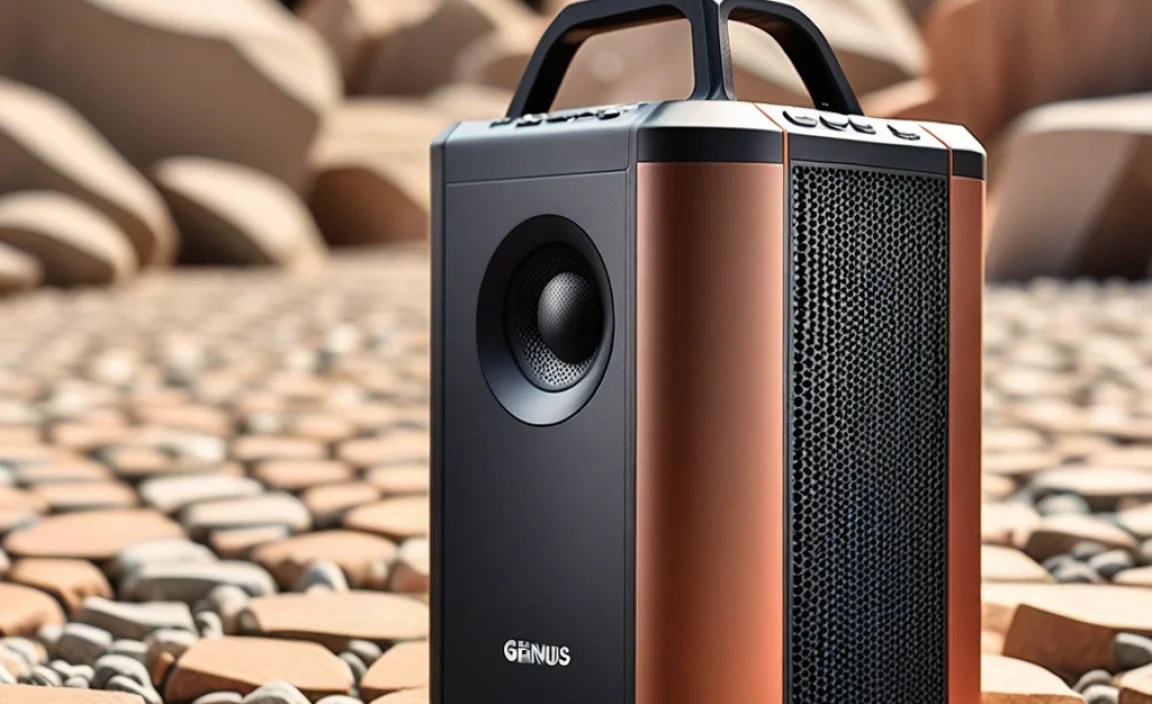
Getting a great portable speaker is the first step, but a few extra tips can make your outdoor sound system truly shine. Think of these as the finishing touches to your audio setup.
- Leverage Reflective Surfaces (Wisely): Placing your speaker near a wall or fence can bounce sound waves, naturally increasing volume and perceived bass. However, too close, and it can sound muddy. Gently experiment with the distance from a solid surface to find the sweet spot.
- Utilize Stereo Pairing for Larger Areas: If your speaker supports TWS (True Wireless Stereo), pairing two speakers is a game-changer for patios, backyards, or gatherings. Place them strategically apart (e.g., one on each side of a seating area) to create a much wider and more immersive soundstage.
- Consider Vertical Placement: Often, speakers sound best when placed at ear level or slightly higher, rather than directly on the ground where sound can be absorbed or obstructed. A sturdy outdoor table, a plant stand, or even a decorative outdoor shelf can serve this purpose.
- Manage Ambient Noise: Outdoors, there are more competing sounds – wind, traffic, children playing, talking. You might need to turn the volume up slightly higher than you would indoors. However, be mindful of your neighbors and local noise ordinances.
- Use EQ Settings: If your speaker or its companion app offers equalizer (EQ) settings, experiment with them. Boosting bass slightly can often compensate for the way sound disperses in open air. Mid-range frequencies are key for vocal clarity, and a slight treble boost can help cut through ambient noise.
- Keep It Charged: For longer events, make sure your speaker is fully charged, or have a portable power bank handy. Running out of juice mid-party is a buzzkill.
- Protect from Direct Sun: While many outdoor speakers are weather-resistant, prolonged direct sunlight can degrade materials and potentially affect battery performance over time. If possible, place them in a shaded area or under an overhang.
These small adjustments can make a significant difference in how your music sounds and how enjoyable your outdoor listening experience is. It’s about creating an atmosphere, not just playing a track.
Frequently Asked Questions (FAQs)
What is an IP rating, and why is it important for outdoor speakers?
An IP rating, like IPX7 or IP67, tells you how well a speaker is protected against dust and water. For outdoor use, this is crucial because it means your speaker can withstand splashes, rain, or even being submerged without getting damaged. The higher the numbers in the rating, the better the protection.
Can I leave a portable outdoor speaker outside all the time?
While “outdoor” speakers are built to be more resilient, it’s generally not recommended to leave them permanently installed outdoors, especially in harsh weather conditions like snow, heavy rain, or extreme temperatures. It’s best to bring them inside or store them in a protected, dry area when not in use to prolong their lifespan and maintain performance.
How does a portable outdoor speaker differ from a regular indoor Bluetooth speaker?
Outdoor speakers are designed with robust materials for durability and often feature higher levels of water and dust resistance. They are also engineered to project sound effectively in open spaces, often with a focus on loudness and clear audio that can cut through ambient noise. Indoor speakers are typically more delicate and lack these protective features.
What is True Wireless Stereo (TWS)?
TWS allows you to connect two identical portable speakers wirelessly, so they act as a left and right channel. This creates a true stereo sound experience, making your music sound fuller and more immersive, especially in larger outdoor areas.