
Choosing a portable speaker for outdoor connectivity means finding one that’s durable, has a strong connection, and delivers good sound in open spaces. This guide helps you navigate features like Bluetooth range, battery life, and weather resistance to pick the perfect outdoor audio companion.
Planning an outdoor adventure or just want to enjoy your favorite tunes in the backyard? A portable speaker is your ticket to a great soundtrack. But with so many options, picking the right one for reliable outdoor connectivity can feel a bit overwhelming. You want a speaker that’s tough enough for the elements, easy to connect to your phone, and loud enough to fill your space with sound without sounding tinny. This guide will break down exactly what you need to look for, making sure you can set up your outdoor audio system with confidence. Let’s dive in and find the best portable speaker for all your outdoor fun!
Why Outdoor Connectivity Matters for Your Portable Speaker

When you’re out in the open, away from Wi-Fi signals and power outlets, your portable speaker’s ability to connect and stay connected is crucial. Think about it: you’re at a picnic, hiking a trail, or lounging on the beach. The last thing you want is for your music to cut out because the Bluetooth signal is weak or your speaker dies halfway through your playlist. Portable speakers for outdoor use need to be more than just small and battery-powered; they need to be built for the challenges of an outdoor environment.
This means considering factors like connection stability, which often relies on Bluetooth version and range, and battery life, which needs to last for extended periods away from a charger. Durability against dust, water, and accidental drops also plays a huge role. We’ll explore these key features to ensure your chosen speaker provides seamless audio enjoyment wherever your adventures take you.
Understanding Key Features for Outdoor Portable Speakers
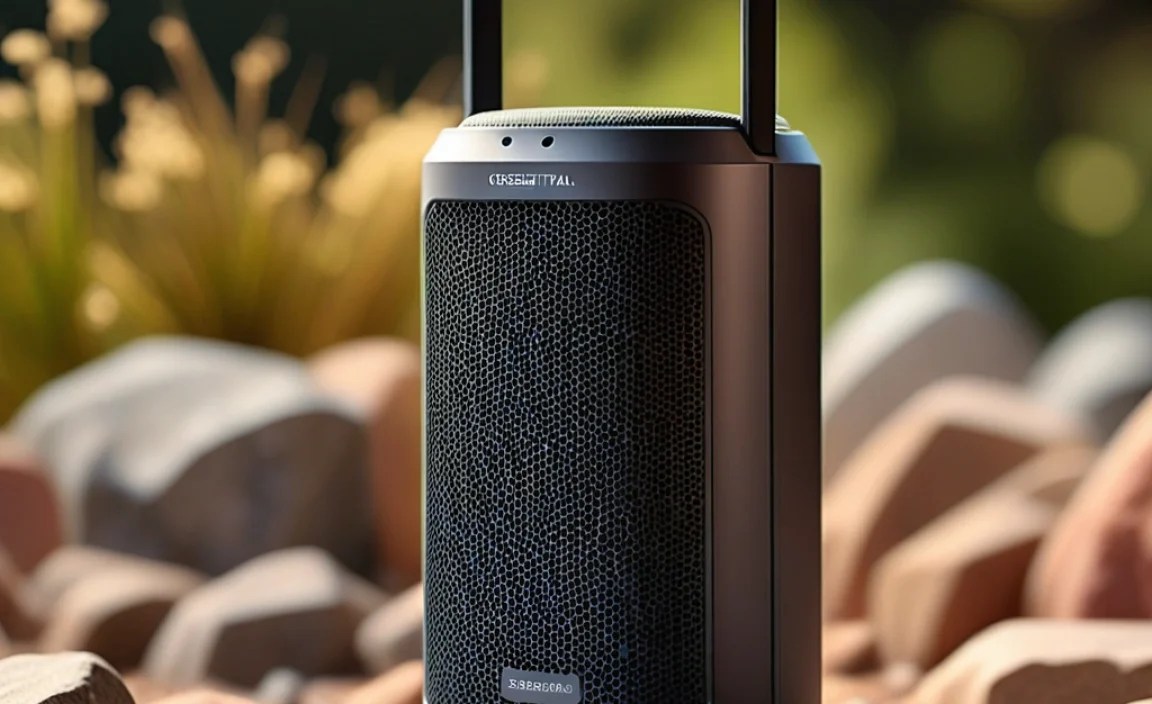
Not all portable speakers are created equal, especially when it comes to outdoor performance. Here’s what you should focus on:
Bluetooth Version and Range
Bluetooth is the most common way to connect your phone or device to a portable speaker. The version of Bluetooth matters. Newer versions, like Bluetooth 5.0 and above, offer:
- Faster Speeds: Better for streaming high-quality audio.
- Longer Range: This is a big one for outdoor use. Bluetooth 5.0 can typically reach up to 100 feet (30 meters) in open spaces, compared to older versions that might struggle beyond 30 feet (10 meters).
- More Stable Connection: Less likely to drop out, even with minor obstacles.
Tip: Always check the speaker’s specifications for its Bluetooth version. For outdoor use, aim for at least Bluetooth 4.2, but Bluetooth 5.0 or higher is ideal for the best range and stability.
Battery Life
An outdoor speaker lives and dies by its battery. You don’t want your music fading out just as the party gets going. Look for speakers that advertise:
- Extended Playtime: Many good outdoor speakers offer 10-20 hours of playback on a single charge.
- Fast Charging: If you’re in a pinch, a quick charge can give you hours of listening time.
- Power Bank Functionality: Some rugged speakers can even charge your phone, which is a lifesaver outdoors.
Durability and Weather Resistance (IP Ratings)
The great outdoors can be unpredictable. Whether it’s a splash from a pool, a sudden rain shower, or a dusty trail, your speaker needs to handle it. This is where Ingress Protection (IP) ratings come in:
- IPX4: Protects against splashes from any direction. Good for pool decks or light rain.
- IPX5: Protects against low-pressure water jets. Better for more direct water exposure.
- IPX6/IPX7: Can withstand high-pressure water jets or even immersion in water (up to 1 meter for 30 minutes for IPX7). Ideal for boat trips or beach days.
- Dust Protection (e.g., IP6X): The second digit in an IP rating (like IP67) indicates dust protection. A ‘6’ means it’s dustproof, great for sandy environments.
Where to find authoritative info on IP ratings: The International Electrotechnical Commission (IEC) defines these standards, ensuring consistent testing and ratings. You can learn more about IEC’s IP ratings explained on their website.
Sound Quality for Open Spaces
Sound behaves differently outdoors. Without walls to reflect it, sound can dissipate quickly. For outdoor enjoyment, consider:
- Volume: Can it get loud enough to be heard clearly without distortion?
- Bass Response: Speakers with a decent low-end presence will sound fuller outdoors.
- 360-Degree Sound: Some speakers are designed to project sound evenly in all directions, which is great for group listening.
Portability and Design
Portability is key. Look for speakers that are:
- Lightweight: Easy to carry in a backpack or by hand.
- Compact: Doesn’t take up too much space.
- Durable Build Materials: Rugged housings and protective grilles.
- Carrying Straps or Handles: Makes them easier to transport over longer distances.
Types of Portable Speakers for Outdoor Connectivity

Portable speakers come in various shapes and sizes, each suited for different outdoor scenarios:
1. Classic Portable Bluetooth Speakers
These are the most common type. They are usually rectangular or cylindrical, offering a balance of sound, battery life, and portability. They often feature:
- Good Bluetooth connectivity.
- Decent battery life (10-15 hours).
- Some level of water resistance (IPX4 or IPX5).
- Examples include many popular models from JBL, Bose, and Anker.
2. Rugged/Adventure Speakers
Built to withstand tough conditions, these speakers are your best bet for serious outdoor excursions. Key features include:
- High IP ratings (IP67 or higher) for water and dustproof capabilities.
- Extremely durable construction, often with rubberized exteriors.
- Long battery life, sometimes exceeding 20 hours.
- Loud and robust sound profiles.
- Often include carabiner clips or sturdy handles.
- Examples: Ultimate Ears BOOM series, JBL Charge/Flip series, Sony SRS-XB series.
3. Mini/Ultra-Portable Speakers
These are the smallest and lightest options, perfect for solo adventures or when space is limited. They might:
- Sacrifice some bass and loudness for their compact size.
- Have shorter battery life.
- Offer basic water resistance.
- Ideal for kayaking, short hikes, or beach lounging where the primary need is background music.
4. Smart Bluetooth Speakers (with Limitations Outdoors)
Some smart speakers offer Bluetooth connectivity, allowing them to function as portable speakers. However, their smart features (like voice assistants) typically require Wi-Fi, making them less ideal for purely outdoor, disconnected use. They generally:
- Excel in sound quality.
- May have good battery life.
- Might lack robust water or dust resistance.
- Check specific model features as some are designed for more versatile use than others.
How to Ensure the Best Outdoor Connectivity

Getting great sound outdoors isn’t just about the speaker; it’s also about how you use it.
Placement is Key
Similar to how sound bounces off walls indoors, you can use your environment outdoors to your advantage. For better sound:
- Elevate the Speaker: Placing a speaker on a table or raised surface can help the sound travel further and prevent it from being muffled.
- Face it Towards Your Listening Area: While 360-degree sound is great, directing the speaker towards your group ensures everyone gets the best experience.
- Avoid Obstacles: Keep the speaker and your device in line-of-sight as much as possible to maximize Bluetooth range. Dense foliage or thick walls (if near a building) can interfere.
Pairing and Skipping Steps
Most speakers pair automatically with the last device they were connected to. For a fresh start or to connect a new device:
- Turn off Bluetooth on any other devices nearby that might try to connect to the speaker.
- Put the speaker in pairing mode. This usually involves pressing and holding a Bluetooth button until a light flashes or a sound is heard. Consult your speaker’s manual if unsure.
- On your device (phone, tablet), go to Bluetooth settings and select your speaker from the list of available devices.
- Confirm connection when prompted.
Stereo Pairing for Enhanced Sound
Many outdoor speakers allow you to pair two identical speakers together for stereo sound. This:
- Creates a wider soundstage.
- Can make the audio sound fuller and more immersive.
- Is perfect for larger outdoor gatherings where one speaker might not be enough.
Check your speaker’s manual for specific instructions on how to enable stereo pairing (often called TWS – True Wireless Stereo).
Consider a Speaker with a Built-in Microphone (for Hands-Free Calls)
If you want to take calls without interrupting your outdoor session, look for speakers with integrated microphones. This feature is particularly useful if you’re hiking with gear or cooking and hear your phone ring – you can simply answer through the speaker.
Top Features Table: Portable Speakers for Outdoor Connectivity
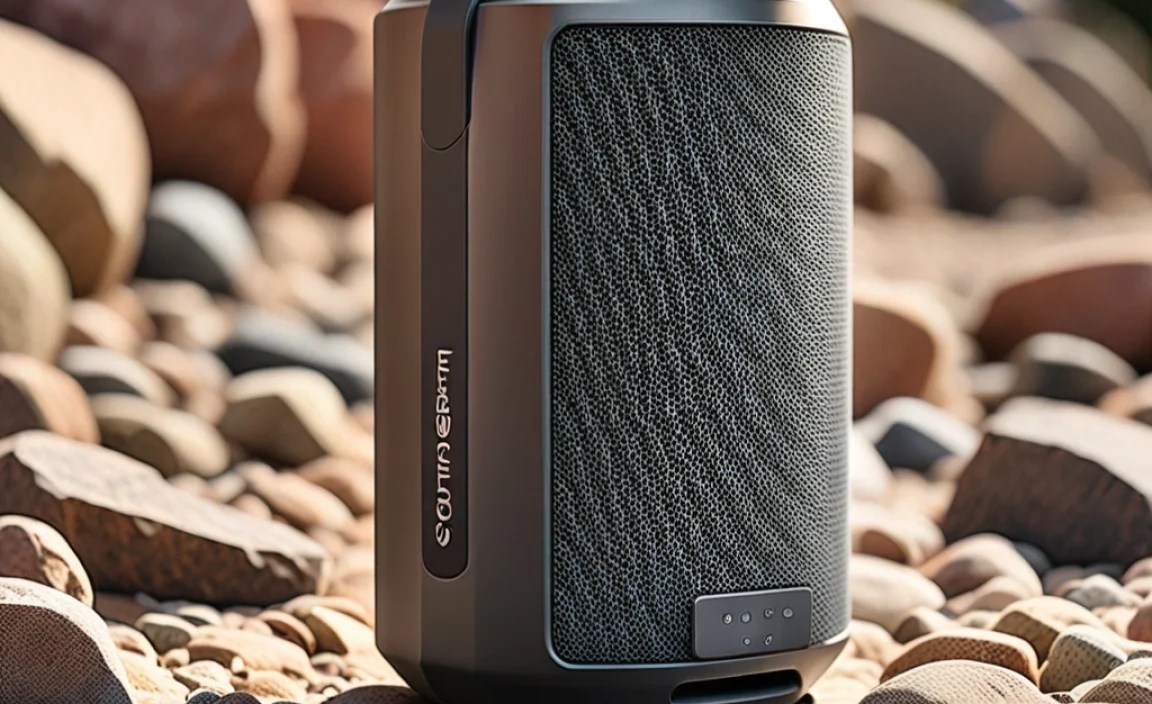
Here’s a quick comparison to help you visualize the key features:
| Feature | Description | Importance for Outdoor Connectivity | Look for… |
|---|---|---|---|
| Bluetooth Version | Protocol for wireless communication between devices. | Higher versions offer better range, speed, and stability. | Bluetooth 5.0 or higher for maximum range. |
| Bluetooth Range | Maximum distance the speaker can be from your device. | Crucial for moving around freely outdoors without losing connection. | 30+ feet (10+ meters) in ideal conditions; more is better. |
| Battery Life | How long the speaker plays on a single charge. | Ensures music lasts for your entire outing. | 15+ hours for all-day events; 10+ hours is a good minimum. |
| IP Rating (Water/Dust) | Standardized protection against solids and liquids. | Protects against splashes, rain, dust, sand, and even submersion. | IPX5 minimum; IP67 for full waterproofing and dustproofing. |
| Durability | Robust construction and materials. | Withstands drops, bumps, and general wear-and-tear of outdoor use. | Rubberized edges, sturdy grilles, shock-absorbent design. |
| Sound Output (Watts/Drivers) | Power and quality of sound produced. | Needs to overcome ambient outdoor noise. | Higher wattage generally means louder volume. Look for clear mids and punchy bass. |
| Portability | Size, weight, and carrying features. | Easy to transport to different outdoor locations. | Compact size, lightweight, integrated handle or strap. |
Choosing the Right Speaker for Your Outdoor Activities
Your ideal outdoor speaker depends on how and where you’ll be using it.
For the Beach or Pool Day:
- Key Features: High water resistance (IPX7), floating capability (some models), sand-proof.
- Focus On: Durability and strong waterproofing. Sound quality is important, but protection from water is paramount.
- Consider: JBL Flip/Charge series, Ultimate Ears Wonderboom series.
For Hiking and Camping:
- Key Features: Long battery life, rugged build, USB power bank functionality, carabiner clip.
- Focus On: Durability, portability, and power for extended trips.
- Consider: Anker Soundcore, JBL Charge, ruggedized models from brands like Audio-Technica. A good example of a device designed for the outdoors is the National Park Service’s guidance on backpacking gear which hints at the need for reliable, lightweight equipment that can withstand the elements.
For Backyard BBQs and Picnics:
- Key Features: Good volume, decent bass, longer Bluetooth range, easy setup.
- Focus On: Sound coverage for a group and reliable connectivity from your phone, which might be inside or further away.
- Consider: Bose SoundLink series, Sonos Roam, or larger JBL models.
For Adventurous Travel:
- Key Features: Extreme durability (IP67/IP68), compact size, long battery life.
- Focus On: A speaker that can handle being thrown in a bag, exposed to various weather, and still perform.
- Consider: Ultimate Ears MEGABOOM, Tribit StormBox series.
Making Your Portable Speaker Last Outdoors
Even the best outdoor speaker needs care. Here are quick tips:
- Clean After Use: Rinse with fresh water after exposure to salt water or chlorine. Gently brush off sand or dust.
- Charge Properly: Use the recommended charger and avoid overcharging if your speaker doesn’t have smart charging.
- Store Safely: Keep it out of extreme heat or cold when not in use for extended periods.
- Check Connections: Ensure charging ports are dry before plugging in a charger to prevent damage.
Frequently Asked Questions (FAQ)
Q1: What is the most important feature for an outdoor portable speaker?
A1: For outdoor use, durability and weather resistance (like a good IP rating) are often the most critical features, followed closely by robust Bluetooth connectivity and long battery life.
Q2: How far can a portable speaker’s Bluetooth reach outdoors?
A2: With Bluetooth 5.0 or newer, you can expect a theoretical range of up to 100 feet (30 meters) in open, unobstructed spaces. However, real-world range is often closer to 30-50 feet (10-15 meters) due to environmental factors.
Q3: Can I use my indoor smart speaker outside?
A3: Some smart speakers have Bluetooth, allowing you to use them as portable speakers. However, they often lack the ruggedness, waterproofing, and long battery life needed for reliable outdoor use.
Q4: Do I need stereo pairing for outdoor listening?
A4: Stereo pairing (using two speakers) can greatly enhance the sound experience for groups and larger areas by providing wider, more immersive audio. It’s not strictly necessary but is highly recommended for a better outdoor sound.
Q5: How do I protect my speaker from sand?
A5: Look for speakers with an IP6X rating for dustproofing. If your speaker isn’t rated, keep it on a towel or designated surface away from direct contact with sand and brush it off gently after use.
Q6: My speaker’s Bluetooth keeps cutting out outdoors. What can I do?
A6: Ensure your device and speaker are the closest connected devices. Try moving them closer together and minimize physical obstructions. Confirm you have a newer Bluetooth version (5.0+) for better stability and range.
Conclusion
A portable speaker is a fantastic way to bring music, podcasts, or any audio entertainment to your outdoor adventures. By focusing on essential features like robust connectivity, long-lasting battery life, and crucial durability through IP ratings, you can avoid common frustrations and ensure your audio experience is always top-notch. Remember to consider your primary outdoor activities to choose a speaker that best fits your needs, whether it’s a rugged companion for hiking or a splash-proof performer for pool parties.
With the right portable speaker for outdoor connectivity, you’re set to enhance every gathering, relaxation session, or expedition with the perfect soundtrack. Happy listening, and enjoy your adventures with great sound!