
Choosing between Mini LED and OLED UHD TVs? OLED offers perfect blacks and infinite contrast for stunning movie nights, while Mini LED excels in brightness, vibrant colors, and HDR impact, ideal for bright rooms and gaming. Both deliver incredible detail, influencing your viewing experience based on room conditions and content.
Hey there, tech adventurers! Bob E Riley here from Aimguider. Are you standing in front of a dazzling display of new UHD TVs, feeling a little lost with terms like Mini LED and OLED? It’s totally normal! These technologies both promise amazing picture quality, but they get there in different ways. Figuring out which is best for your living room can feel like a puzzle. But don’t worry, we’re going to break it all down. We’ll make it super simple so you can confidently pick the TV that’s perfect for your eyes and your wallet. Let’s dive into the brilliant world of Mini LED and OLED and find out what makes them tick!
Mini LED vs OLED UHD: The Ultimate Showdown for Your Living Room

Choosing a new 4K Ultra High Definition (UHD) TV is exciting! You’re probably seeing “Mini LED” and “OLED” thrown around a lot. These aren’t just fancy buzzwords; they represent two completely different, yet incredibly advanced, ways TV screens create the stunning images you see. Both promise amazing detail, vibrant colors, and a viewing experience that pulls you in. But how do they actually work, and which one is the right fit for your home? That’s what we’re here to figure out.
Think of it like choosing between two amazing chefs to cook your favorite meal. One uses techniques perfectly honed over generations, ensuring classic flavors. The other is an innovative genius, pushing boundaries with bold, new combinations. Both will create a fantastic dish, but the experience will be different, and one might suit your particular taste more than the other.
We’ll explore what makes each technology special, how they handle light and color, and where each one truly shines. By the end of this guide, you’ll have a crystal-clear understanding to make the best choice for your next TV upgrade.
Understanding the Basics: How TV Pixels Make Magic
Before we get into the nitty-gritty of Mini LED and OLED, let’s quickly touch upon how displays create an image. Every TV screen is made up of millions of tiny dots called pixels. Each pixel can display a specific color and brightness. When combined, these tiny dots form the complete picture you see on your screen. The magic happens in how each TV technology controls these pixels to produce that stunning 4K UHD image.
The key differences between Mini LED and OLED lie in how they manage the backlight and how each individual pixel is illuminated. This is where the real picture-quality distinctions emerge.
What is OLED? The Self-Illuminating Wonder
OLED stands for Organic Light-Emitting Diode. The “organic” part is key here. In an OLED TV, each individual pixel produces its own light. When a pixel needs to be black, it simply turns off completely.
This is a massive advantage. Because each pixel is its own light source, OLEDs can achieve “perfect black.” Imagine a starry night sky: with OLED, those stars shine brightly against a deep, true black that doesn’t bleed or glow. This is what gives OLED its legendary infinite contrast ratio. Contrast is the difference between the brightest white and the darkest black a TV can display. With infinite contrast, you get an incredible sense of depth and realism.
Think about watching a dark movie scene. With OLED, the shadows are incredibly detailed and rich, and a bright explosion will pop with amazing intensity without affecting the dark areas around it. This makes them fantastic for movies and content with a lot of dark scenes or high contrast.
Key Advantages of OLED:
- Perfect Blacks: Pixels turn completely off, offering true black.
- Infinite Contrast: The maximum difference between the brightest and darkest parts of the image.
- Wide Viewing Angles: Colors and brightness remain consistent even when viewed from the side.
- Incredibly Thin Designs: Because there’s no separate backlight, OLED TVs can be wafer-thin.
- Fast Response Times: Pixels change state very quickly, leading to smooth motion for sports and gaming.
Potential Downsides to OLED:
- Brightness Limitations: While improving, OLEDs are generally not as bright as the brightest Mini LED TVs. This can be a factor in very bright rooms.
- Risk of Burn-In (Mostly Misunderstood): In rare cases, static images displayed for very long periods could potentially leave a faint “ghost” image. Modern OLEDs have advanced protection features to greatly minimize this risk, making it less of a concern for most users.
What is Mini LED? The Bright, Bold Contender
Mini LED technology is a significant advancement over traditional LED TVs. Instead of a few large LED backlights, Mini LED TVs use thousands of tiny LEDs grouped into hundreds or even thousands of “dimming zones.” These much smaller LEDs allow for much more precise control over the brightness of different parts of the screen.
What does this mean for you? It means Mini LED TVs can get incredibly bright. This is fantastic for watching content in a well-lit room during the day or for making HDR (High Dynamic Range) content truly pop. HDR allows for a wider range of colors and a greater difference between the brightest and darkest parts of an image, giving you more vibrant and lifelike visuals. Mini LED’s ability to be very bright enhances this experience significantly.
Imagine watching a nature documentary with a bright, sunny sky or a sports game under stadium lights. Mini LED can render these bright scenes with incredible impact and detail. While they don’t achieve the perfect blacks of OLED (because there’s always a backlight, even if it’s dimmed), the advanced dimming zones significantly improve contrast and reduce the “blooming” or light halo effect that can sometimes be seen around bright objects on less advanced LED TVs.
For a deeper dive into how backlight technology works and its impact on picture quality, checking out resources from organizations like the DisplayMate, a leading authority on display testing and calibration, can be very insightful.
Key Advantages of Mini LED:
- Exceptional Brightness: Ideal for brightly lit rooms and makes HDR content incredibly impactful.
- Vibrant Colors: Achieves very wide color gamuts, making colors look rich and lifelike.
- Excellent HDR Performance: The combination of brightness and local dimming creates stunning HDR visuals.
- Reduced Blooming: More dimming zones mean fewer light artifacts around bright objects compared to older LED TVs.
- Generally More Affordable: Often offer a great balance of features and price compared to top-tier OLEDs.
Potential Downsides to Mini LED:
- Not Perfect Blacks: While excellent, they can’t achieve the absolute black of OLED due to the always-present backlight.
- Potential for Blooming: Even with many dimming zones, some light bleed or “blooming” around very bright objects against dark backgrounds can still occur, though it’s much less noticeable than in standard LED TVs.
- Bulkier Designs: The backlight system can sometimes lead to slightly thicker TV designs compared to OLED.
Comparing the Key Features: Mini LED vs OLED Side-by-Side

To make things super clear, let’s put Mini LED and OLED head-to-head on the most important picture quality factors.
Contrast Ratio: The Depth of Your Image
OLED: Infinite contrast. Because pixels can turn off entirely, the difference between the brightest white and the deepest black is theoretically infinite. This creates unparalleled depth and realism.
Mini LED: Very High contrast. With thousands of dimming zones, Mini LED significantly improves local contrast and reduces light bleed, offering excellent depth, but it doesn’t quite reach the perfect black of OLED.
Brightness: How Well It Fights Room Light
OLED: Good to Very Good brightness. OLEDs have improved significantly, but they are generally surpassed by the brightest Mini LED TVs. They are fantastic in controlled or dim lighting.
Mini LED: Excellent to Outstanding brightness. Mini LED TVs are designed to be incredibly bright, making them ideal for daytime viewing or rooms with lots of ambient light. This also makes HDR content incredibly punchy.
Black Levels: The Foundation of Detail
OLED: Perfect Black. Each pixel is its own light source and can be completely turned off. This means no light leakage and incredible detail in dark scenes.
Mini LED: Very Deep Blacks. The advanced local dimming technology brings black levels much closer to OLED than traditional LED TVs, but there’s always a slight, albeit often imperceptible, glow from the backlight.
Color Accuracy and Vibrancy
OLED: Excellent. Known for its wide color gamut and highly accurate colors, producing rich, natural hues.
Mini LED: Excellent. Also capable of wide color gamuts and astonishingly vibrant colors, especially when combined with high brightness, making them great for HDR.
Viewing Angles: Who Can See the Best Picture?
OLED: Superior. Image quality remains consistent and vibrant even when viewed from extreme side angles. Great for large seating areas.
Mini LED: Good to Very Good. Viewing angles are generally good, but some color and brightness shift can occur at wider angles compared to OLED.
Motion Handling: For Sports and Gaming Fans
OLED: Exceptional. Very fast response times mean motion is incredibly smooth with almost no blur. Perfect for fast-paced games and sports.
Mini LED: Excellent. Mini LED TVs also offer very fast response times and smooth motion, making them strong contenders for gamers and sports enthusiasts.
To truly understand the impact of these technologies, especially concerning refresh rates and response times relevant to gaming, you might find it helpful to explore resources like the Rtings.com comprehensive TV testing guides which delve deep into these technical aspects.
Cost and Value
OLED: Typically positioned as premium products, OLED TVs can be more expensive, particularly at larger screen sizes.
Mini LED: Often offer a more accessible entry point into premium picture quality. You might find Mini LED TVs with comparable or even larger screen sizes at a lower price than OLEDs.
Making Your Choice: Which TV Technology is Right for You?
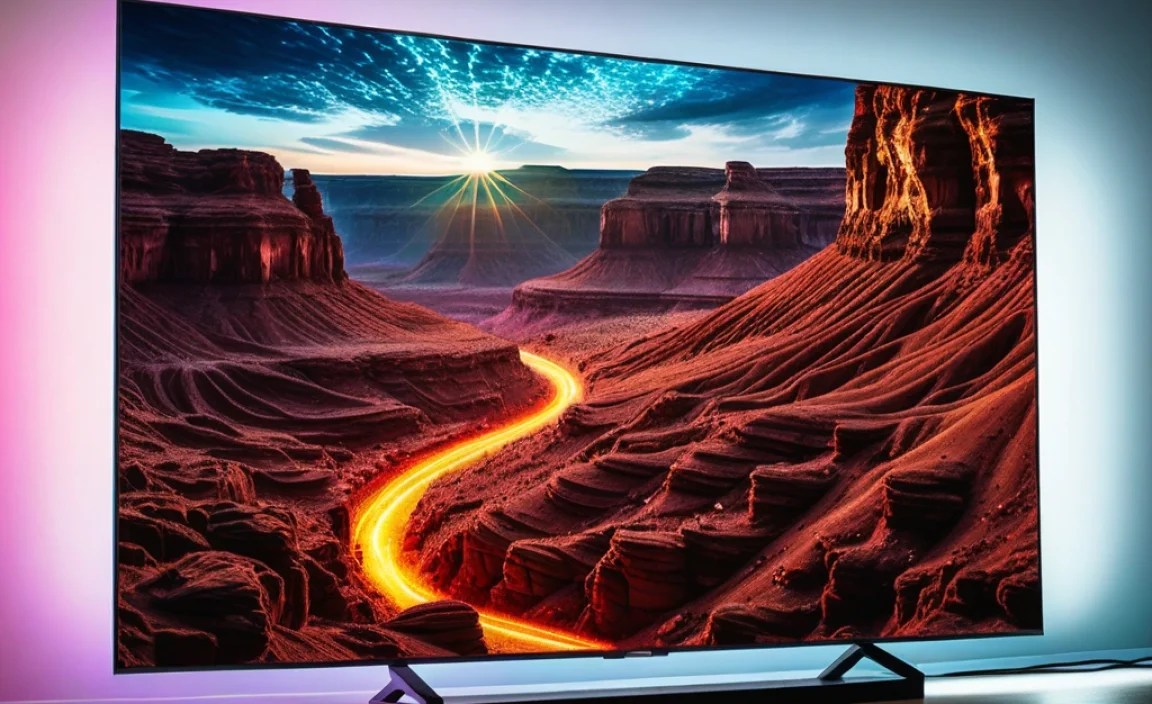
So, after all this, how do you decide? It really comes down to your viewing habits and environment.
Choose OLED If:
- You’re a Home Theater Enthusiast: If you love watching movies, especially in a controlled, dim lighting environment, OLED’s perfect blacks and infinite contrast will give you an unparalleled cinematic experience.
- You Value Perfect Picture Quality Above All Else: For that “wow” factor and the finest detail in dark scenes, OLED is hard to beat.
- You Have Wide Seating Arrangements: If your family or friends often watch TV from various angles, OLED’s superior viewing angles mean everyone gets a great view.
- You’re Prepared for Some Dimming: You’re comfortable with the potential for slightly less brightness in a very bright room and are aware of its burn-in mitigation technologies.
Choose Mini LED If:
- You Watch TV in a Bright Room: If your living room gets a lot of natural light during the day, Mini LED’s high brightness will ensure your picture is clear and vibrant without glare.
- You’re a Big HDR Content Fan: The combination of extreme brightness and vibrant colors makes HDR movies, shows, and games absolutely spectacular on a Mini LED TV.
- You’re a Serious Gamer: Mini LED offers excellent performance with high refresh rates, low input lag, and bright, vibrant visuals that elevate the gaming experience.
- You Want the Best Value in Premium Picture Quality: Mini LED provides a fantastic balance of cutting-edge technology and price, often giving you more screen for your money than OLED at a similar quality tier.
- You want to avoid any concerns about burn-in (even if minimal for OLED): If the theoretical risk of burn-in, however small, is a worry, Mini LED offers peace of mind.
A Comparative Table for Quick Reference
Here’s a table to summarize the key differences:
| Feature | OLED | Mini LED |
|---|---|---|
| Black Levels | Perfect (Pixels turn off) | Very Deep (Advanced local dimming) |
| Contrast Ratio | Infinite | Very High |
| Peak Brightness | Good to Very Good | Excellent to Outstanding |
| HDR Performance | Excellent | Outstanding (especially with high brightness) |
| Color Vibrancy | Excellent | Excellent |
| Viewing Angles | Superior | Good to Very Good |
| Motion Handling | Exceptional | Excellent |
| Burn-In Risk | Minimal (with modern protections) | None |
| Price | Premium | Premium to High-Value |
| Best For | Dark room movie watching, cinematic purists | Bright rooms, HDR content, gaming, value seekers |
Beyond Pixels: Other Factors to Consider
While Mini LED vs. OLED is huge for picture quality, don’t forget other important TV features:
- Screen Size: Both technologies are available in a wide range of sizes. Consider the size of your room when choosing. A good rule of thumb is to sit about 1.5-2.5 times the screen diagonal away from the TV.
- Refresh Rate: Look for 120Hz for the smoothest motion, especially for sports and gaming. Both OLED and Mini LED TVs offer high refresh rates.
- HDR Support: Ensure the TV supports major HDR formats like HDR10, HDR10+, and Dolby Vision for the best dynamic range. Most premium TVs from both camps do.
- Smart TV Platform: Consider which operating system you prefer (e.g., Google TV, Roku TV, webOS, Tizen).
- Sound Quality: While most TVs have decent sound, a dedicated soundbar or surround sound system will significantly enhance your audio experience.
- Connectivity: Make sure it has enough HDMI ports, ideally HDMI 2.1 for next-gen gaming consoles and high-bandwidth features.
Frequently Asked Questions (FAQs)
Q1: Will I notice the difference between Mini LED and OLED in everyday TV shows?
For most standard TV shows, particularly in well-lit rooms, the difference might be less dramatic than you expect. Both offer excellent detail. However, for content with significant contrast (like dramas with dark scenes or high-action movies), OLED’s perfect blacks will provide a more profound difference in depth and shadow detail. Mini LED will excel at making bright scenes pop, like a brightly lit outdoor market scene.
Q2: Is OLED technology really at risk of “burn-in”?
Modern OLED TVs have advanced features like pixel shifting, logo dimming, and screen savers that work automatically to prevent burn-in. For typical varied viewing habits – watching movies, playing games, browsing channels – the risk of permanent burn-in is extremely low. It’s primarily a concern for static content (like news tickers or game HUDs) being displayed for excessively long periods without variation over many months or years.
Q3: Which is better for gaming: Mini LED or OLED?
Both are fantastic for gaming! OLED offers incredibly fast response times and near-instantaneous pixel transitions, leading to virtually no motion blur. Many gamers also love the contrast for immersive worlds. Mini LED, on the other hand, can offer higher peak brightness, which is beneficial for HDR gaming, and its fast response times are also excellent. The “better” choice often comes down to whether you prioritize the absolute best motion clarity and deep blacks (OLED) or the punchiest HDR visuals and brightness (Mini LED).
Q4: Can I get a curved TV with Mini LED or OLED technology?
Curved TVs were more popular a few years ago. While some manufacturers might still offer them, the vast majority of new Mini LED and OLED TVs are flat. Flat screens generally offer better viewing angles and less light reflection, which is why they have become the industry standard.
Q5: Do I need a dark room for an OLED TV to look good?
While OLED TVs truly shine in dark or controlled lighting environments where their perfect blacks are most appreciated, they still look fantastic in brighter rooms. However, if your primary viewing is during bright daylight hours in a sunny room, a high-brightness Mini LED TV might offer a more consistently vibrant and less reflective viewing experience.