
Choosing the right microphone for stage performance involves comparing sound quality, durability, pickup patterns, and connection types. This guide breaks down key microphone types and essential features to help you find the perfect mic for clear vocals and reliable stage presence, ensuring every performance sounds its best.
Hitting the stage is exciting! You’ve practiced your set, you’re ready to connect with your audience, and you want your voice or instrument to sound absolutely amazing. But when you look at microphones, it can feel like a whole new language. What’s the difference between a dynamic and a condenser? Why do some mics cost a lot more? Don’t worry, we’ll walk through it together, step-by-step. We’ll make sure you understand the jargon and can choose a microphone that fits your needs and budget, so you can focus on what you do best: performing!
Why Microphone Choice Matters for Stage Performance

Your microphone is your voice to the world when you’re on stage. It’s the crucial link between your sound and the audience’s ears. A great performance can fall flat with the wrong mic, leading to feedback, muddy sound, or simply not capturing the nuances of your voice or instrument. On the flip side, the right microphone can make your sound crystal clear, powerful, and engaging, elevating your entire performance.
Think of it like this: you wouldn’t use a garden hose to fill a water balloon, right? Similarly, using a microphone not suited for live vocals or instruments can lead to issues. Factors like background noise, how loud you sing or play, and the venue itself all play a role in what makes a microphone a good fit for the stage. We’re going to explore these factors and demystify the world of stage microphones so you can make an informed decision.
Understanding Microphone Types: Dynamic vs. Condenser
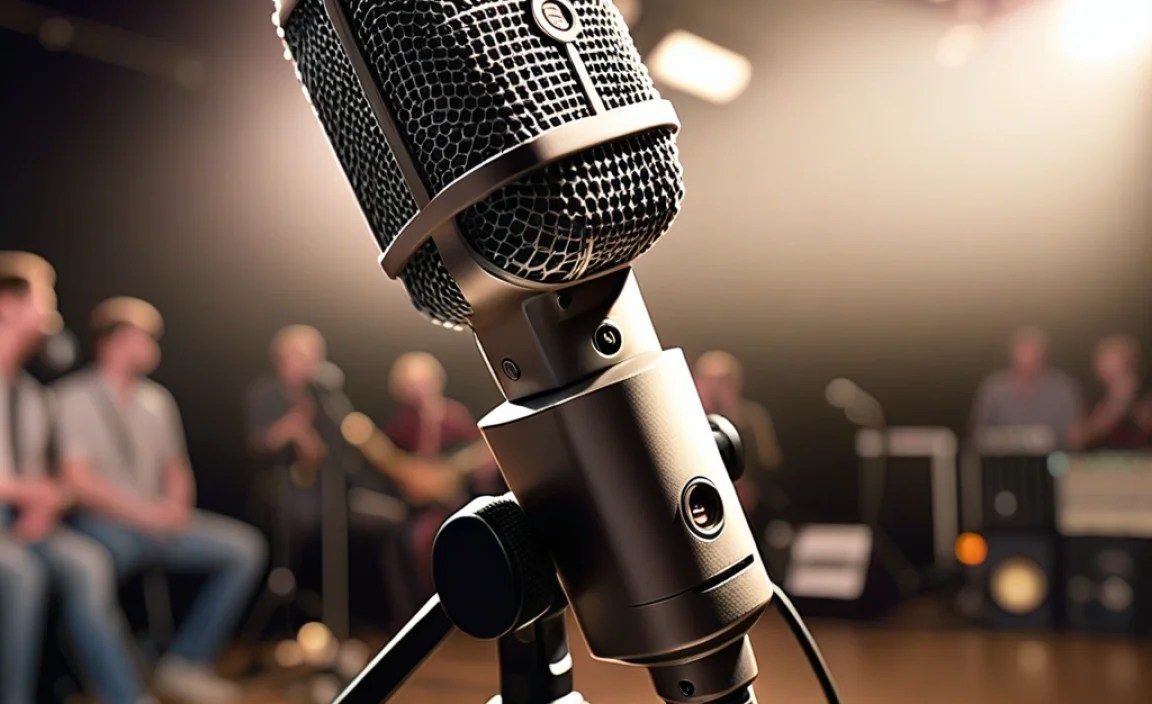
When you’re comparing microphones for stage performance, the first big distinction you’ll encounter is between dynamic microphones and condenser microphones. Each type has its strengths, making them better suited for different applications on stage.
Dynamic Microphones
Dynamic microphones are the workhorses of live sound. They are known for their ruggedness and ability to handle high sound pressure levels (SPLs) without distorting. This makes them ideal for loud sources like vocals, guitar amps, and drums.
How they work: Dynamic mics use a diaphragm attached to a voice coil that moves within a magnetic field. When sound waves hit the diaphragm, they vibrate the coil, generating an electrical signal. This process is simple, robust, and doesn’t require external power.
- Durability: They are built tough and can withstand being dropped or roughly handled, which is common in live settings.
- SPL Handling: Excellent at capturing loud sounds without clipping or distortion.
- Feedback Resistance: Generally less prone to feedback than condenser mics in live environments.
- Cost: Often more affordable than condenser microphones.
- Sensitivity: Less sensitive to subtle details and background noise, which can be a plus on a noisy stage.
If you’re a vocalist who sings powerfully, plays in a loud band, or needs a reliable mic for gig after gig, a dynamic microphone is likely your best bet. Their straightforward design makes them a staple for most live sound setups.
Condenser Microphones
Condenser microphones are known for their sensitivity and ability to capture detailed, nuanced sound. They are often preferred for studio recording but can also be used effectively in live settings where pristine sound quality is paramount.
How they work: Condenser mics require external power (either from a battery or “phantom power” from your mixer or audio interface) to charge a capacitor. Sound waves vibrate a diaphragm, changing the capacitance and thus the electrical signal. This requires a more complex design.
- Sensitivity: Capture intricate details and subtle nuances in sound.
- Frequency Response: Often have a wider and flatter frequency response, meaning they reproduce sounds more accurately across different pitches.
- Detail & Clarity: Can provide a more “airy” and detailed sound, often preferred for acoustic instruments or softer vocals.
- Power Requirement: Need phantom power (+48V typically) or an internal battery.
- Fragility: More susceptible to damage from drops and moisture.
- Feedback Potential: Can be more prone to feedback in loud live environments due to their sensitivity.
Condenser mics are excellent for acoustic instruments, choir vocals, or situations where you need to capture the natural “air” and detail of a sound. While they require more careful handling on stage, their sonic quality can be stunning.
Key Features to Compare for Stage Microphones

Beyond the basic type, several other features significantly impact how a microphone performs on stage. Understanding these will help you narrow down your choices effectively.
Polar Patterns (Pickup Patterns)
A polar pattern describes a microphone’s sensitivity to sound arriving from different directions. For stage performance, this is critical for managing background noise and preventing feedback.
Cardioid: This is the most common pattern for live vocals. It picks up sound primarily from the front, rejecting sound from the sides and even more from the rear. This helps isolate the source (your voice) from stage noise like monitors or other instruments.
Supercardioid & Hypercardioid: These are even tighter than cardioid, offering more side rejection but also picking up a small amount of sound directly from the rear. They can be useful in very noisy environments but require careful placement to avoid monitor bleed.
Omnidirectional: Picks up sound equally from all directions. These are rarely used for lead vocals on stage because they capture everything – including feedback. They are sometimes used for specific instrument miking or in situations where you want to capture room ambience.
Learn more about polar patterns on Shure’s website – a reputable audio manufacturer.
Frequency Response
Frequency response refers to how accurately a microphone picks up and reproduces different frequencies (low, mid, and high pitches). For vocals, a microphone with a relatively flat response across the mid-range is usually good. Some mics have a slight boost in the upper mids to help vocals cut through a mix, or a “presence boost” to add clarity.
Connectivity and Output Type
Most professional stage microphones use an XLR connector. This is a three-pin, balanced connector that provides a clean, reliable signal, especially over longer cable runs. Make sure any microphone you consider for stage use has an XLR output, as this is the standard for mixers and PA systems.
Durability and Build Quality
Stage environments are demanding. Microphones can get knocked around, stepped on, or exposed to moisture. Look for microphones with solid metal construction, robust grille designs, and established reputations for toughness. Brands like Shure, Sennheiser, and Electro-Voice are known for their durable offerings.
Sensitivity and Maximum SPL
Sensitivity tells you how much electrical output a microphone produces for a given sound pressure level. Higher sensitivity means you need less “gain” from your mixer, which can result in a cleaner signal with less background noise. However, for very loud sources like drums or roaring vocals, you also need to consider the maximum SPL rating. This is the loudest sound the microphone can handle before it starts to distort. For loud stages, high SPL handling is crucial.
Top Microphone Choices for Stage Performance: A Comparison

Let’s look at some popular and well-regarded microphones that consistently perform well on stage. This is not an exhaustive list, but it covers some of the most common and reliable options.
Vocal Microphones
Vocals are often the most critical element of a live performance, needing clarity, presence, and reliability.
| Microphone Model | Type | Polar Pattern | Key Strengths | Ideal For |
|---|---|---|---|---|
| Shure SM58 | Dynamic | Cardioid | Legendary durability, clear vocal reproduction, excellent feedback rejection. Handles loud vocals well. | Lead vocals in almost any live genre, rock, pop, folk, spoken word. |
| Sennheiser E 935 | Dynamic | Cardioid | Natural vocal tone, smooth response, good clarity, robust build. | Vocalists seeking a balanced, natural sound, pop, rock, jazz. |
| Audio-Technica AE6100 | Dynamic | Hypercardioid | High-endurance hypercardioid pattern for excellent isolation, bright and clear sound. | Loud vocalists, bands with high stage volume, rock, metal. |
| Neumann KMS 105 | Condenser | Supercardioid | Exceptional clarity, detail, and presence. Studio-quality sound live. Requires phantom power. | Sophisticated vocalists, jazz, acoustic genres, venues where feedback can be controlled. |
| Shure Beta 58A | Dynamic | Supercardioid | Brighter sound than SM58, tighter pattern for more isolation, stronger output. | Vocalists needing to cut through a dense mix, rock, hard genres. |
Instrument Microphones
While vocals often get the spotlight, properly miking instruments is crucial for a well-balanced sound.
- For Guitar Amps: The Shure SM57 is an industry standard. It’s a dynamic, cardioid mic known for its ability to capture the harshness and punch of guitar cabinets without distortion. It’s also fantastic for snare drums.
- For Drum Overheads/Cymbals: Small-diaphragm condenser microphones (like AKG C451 B or Rode NT5) are often used here. They capture the bright, transient details of cymbals and cymbals beautifully.
- For Kick Drums: Larger diaphragm dynamic mics like the AKG D112 MkII or the Shure Beta 52A are popular. They are designed to handle extreme SPLs and emphasize the “thump” and attack of the kick drum.
- For Acoustic Guitars/Xylophones: Small-diaphragm condensers or even some sensitive instrument-specific dynamic mics are used. Their sensitivity to detail is key here.
Consider this: The choice often comes down to capturing the essence of the sound. Does it need to be raw and powerful (dynamic)? Or detailed and articulate (condenser)? For most instruments on stage, durability and consistent sound are paramount, leaning towards dynamic microphones.
Setting Up Your Microphone for Stage Success

Even the best microphone needs to be set up correctly to perform at its peak. Here are some essential tips:
1. Get the Right Mic Placement
For vocals: Position the microphone so it’s directly in front of your mouth, about 4-6 inches away. If you tend to eat the mic when you’re belting, a dynamic with a cardioid pattern is forgiving. For softer singing, you might pull back slightly for more natural tone.
For instruments: Experiment! For guitar amps, pointing the mic directly at the speaker cone can be brighter; moving slightly off-axis can tame harsh frequencies. For drums, follow established techniques for kick, snare, and cymbals to get a balanced kit sound.
2. Manage Your Monitors
Stage monitors (the speakers pointing at you) are a common source of feedback. If you’re using a directional mic like a cardioid, aim the rear of the microphone towards the monitor. If feedback is still an issue, try super- or hypercardioid patterns, or adjust monitor placement and volume. Learn about the basics of preventing feedback on Sweetwater’s site.
3. Use Good Cables
Never underestimate the importance of quality XLR cables. Cheap, flimsy cables can introduce noise, crackle, and intermittent signal loss, ruining your performance. Invest in reputable brands known for their durability and good shielding.
4. Understand Phantom Power (for Condensers)
If you choose a condenser microphone, you’ll need phantom power. This is usually a button on your mixer or audio interface labeled “48V” or “PHANTOM.” Make sure it’s engaged before you turn on your amplifier or speakers. Important: Only apply phantom power to microphones designed for it. Sending phantom power to some ribbon microphones or certain older dynamic mics can damage them.
5. Protect Your Investment
When not in use, store your microphones in their original cases or secure mic bags. On stage, use a good stand and a solid clip. Take care when setting up and tearing down. A little bit of care goes a long way in ensuring your microphone lasts for many performances.
Frequently Asked Questions About Stage Microphones
Q1: What is the best all-around microphone for live band vocals?
A1: For most live band vocalists, a durable dynamic microphone with a cardioid pickup pattern like the Shure SM58 or a similar alternative is generally the best all-around choice. They are reliable, handle loud singing well, and do a great job of rejecting stage noise and feedback.
Q2: Do I really need expensive microphones for live gigs?
A2: Not necessarily! While high-end microphones offer superior sound quality, many affordable dynamic microphones provide excellent performance and durability for live gigs. Focus on getting a mic that suits your specific needs (vocals, instrument) and can handle the demands of the stage. The key is choosing the right type of mic for the job.
Q3: What’s the difference between microphones for stage and studio?
A3: Stage microphones are typically built to be more rugged, handle higher sound pressure levels (loud sounds) without distortion, and have polar patterns (like cardioid) that help reject background noise and prevent feedback. Studio microphones often prioritize capturing very subtle details and nuances, which can make them more sensitive and prone to feedback in a live setting.
Q4: Can I use a USB microphone for stage performance?
A4: It’s generally not recommended. USB microphones are designed for computer recording and typically have built-in preamps and analog-to-digital converters. They are less durable, often more prone to latency (delay), and lack the robust connectivity (XLR) needed for professional sound systems and straightforward stage use.
Q5: How do I choose a microphone for an acoustic instrument on stage?
A5: For acoustic instruments like an acoustic guitar or piano, you often want to capture their natural tone and detail. Small-diaphragm condenser microphones are frequently a great choice here due to their sensitivity and accurate sound reproduction. However, dynamic microphones can also work, especially if you need more ruggedness or are dealing with very loud stage volumes.
Q6: What does “phantom power” do?
A6: Phantom power is a DC voltage (usually +48V) sent from your mixer or audio interface through the XLR cable to power condenser microphones. This power is essential for the microphone’s internal circuitry to operate and capture sound. Dynamic microphones do not require or use phantom power.
Conclusion
Choosing the right microphone for stage performance doesn’t have to be a daunting task. By understanding the fundamental differences between dynamic and condenser mics, familiarizing yourself with polar patterns, and considering features like durability and connectivity, you’re well on your way to making an informed decision. Whether you’re a vocalist needing a clear voice that cuts through the mix, or an instrumentalist aiming for authentic sound reproduction, there’s a microphone out there perfect for you.
Remember, the Shure SM58 remains a benchmark for a reason – its reliability and clear sound make it a go-to for countless performers. But don’t be afraid to explore alternatives like Sennheiser, Audio-Technica, or even higher-end condensers like Neumann if your budget and needs allow. The most important thing is to select a microphone that complements your performance style and the demands of your live setting. With careful consideration and a little bit of knowledge, you can ensure your sound is always stage-ready, captivating your audience with every note and word.