
Imagine you’re at a concert. The band rocks the stage, and the singer’s voice fills the air. But have you ever wondered how they sound so clear and powerful? A big part of that is the type of microphone they use. Today, we will explore the world of microphones. Specifically, we will dive into the differences between dynamic microphones and other types.
Dynamic microphones are popular in live settings. They are tough, can handle loud sounds, and don’t easily break. But how do they compare to condenser mics or ribbon mics? Each has its strengths and weaknesses. Understanding these can help you choose the right one for your needs.
Did you know that some famous artists prefer dynamic microphones for their concerts? The clarity they provide can make a huge difference. So, why do some professionals still choose other types? Let’s find out together!
Dynamic Microphone Vs. Condenser Microphone: Key Differences
Dynamic microphones are popular for their durability and versatility. They handle loud sounds well, making them great for live performances. In contrast, they do not capture subtle details as well as condenser mics. Have you ever been to a concert? Those powerful, booming vocals often come from dynamic mics. This type of microphone also requires no external power, which is a plus during gigs. Overall, knowing these differences helps you choose the right mic for your needs!
What is a Dynamic Microphone?
Definition and function of dynamic microphones. Common applications and use cases.
A dynamic microphone is like a superhero for sound. It captures audio using a magnet and a diaphragm. When you speak or sing, sound waves hit the diaphragm, making it vibrate. This movement creates an electrical signal, turning your voice into music!
They’re great for live performances, especially in loud places. You often find them on stage, at karaoke bars, or even in classrooms. They love handling high volumes without cracking under pressure. In simple terms, if noise were a villain, dynamic microphones would be the trusty sidekick!
| Common Uses | Why Use Dynamic Microphones? |
|---|---|
| Live Music | Resilient and durable |
| Public Speaking | Reduces background noise |
| Recording Drums | Handles loud sounds well |
How Dynamic Microphones Work
Explanation of the technology behind dynamic microphones. Components and their roles in sound capture.
Dynamic microphones are simple yet clever devices. They work by using a tiny piece called a diaphragm. This diaphragm vibrates when sound waves hit it. The vibrations move a coil inside a magnet. This movement creates electrical signals representing sound. The main parts include:
- Diaphragm: Captures sound waves.
- Coil: Moves with diaphragm vibrations.
- Magnet: Creates electricity from coil movement.
This technology allows dynamic microphones to capture voices and instruments clearly. They are great for live events and recording. They also handle loud sounds without distortion.
How do dynamic microphones capture sound?
The way they work is easy! The vibrations from sound create electrical signals. These signals are what we hear as sound. So, dynamic microphones are really effective for recording!
Dynamic Microphones vs. Other Microphone Types
Comparison with condenser microphones. Advantages and disadvantages of dynamic microphones.
Dynamic microphones are great for many uses. They are strong and can handle loud sounds well. This makes them popular for live singing or speeches. In contrast, condenser microphones are more sensitive. They capture softer sounds better but may pick up unwanted noise. Here are some key points about dynamic microphones:
- Advantages: Durable, less sensitive to background noise, affordable.
- Disadvantages: Less detailed sound, not good for quiet settings.
Choosing the right microphone depends on your needs. If you want to sing loudly or speak on stage, a dynamic microphone is ideal.
How do dynamic microphones compare to condenser microphones?
Dynamic microphones are better for loud environments, while condenser microphones work well in quiet studios. Choose based on your setting!
Best Uses for Dynamic Microphones
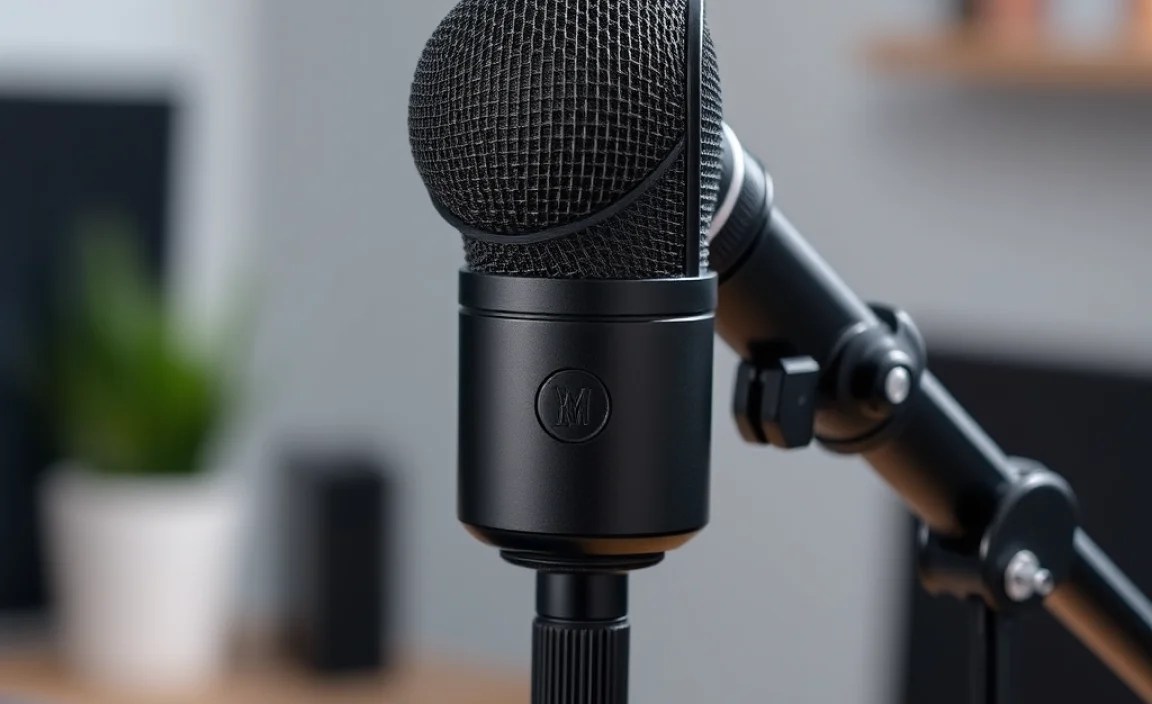
Live performances and vocals. Studio recording scenarios.
Dynamic microphones shine in many situations. They are perfect for live performances where sound needs to be loud and clear. These mics handle high volumes without breaking a sweat. They also work great for capturing vocals, adding a nice warm touch. In the studio, they’re fantastic for recording instruments too. Imagine a rock band jamming; dynamic mics catch all the excitement! Here’s a simple table to show their best uses:
| Use | Benefits |
|---|---|
| Live Performances | Handles loud sounds well |
| Vocals | Warm tone for singers |
| Studio Recording | Great for instruments |
So whether you’re rocking a stage or laying down some tracks, dynamic mics get the job done, letting every note shine bright!
Choosing the Right Dynamic Microphone
Key features to consider when shopping. Recommendations for various budgets and needs.
Picking the right dynamic microphone can be fun! Think about these key features:
- Sound Quality: Good microphones make voices clear.
- Durability: A strong microphone lasts longer.
- Price: Choose a mic that fits your budget.
For lower budgets, brands like Behringer or Shure have options around $50. If you can spend a bit more, consider the Audio-Technica AT2020 for about $100. For high-end needs, the Shure SM7B is a great choice above $400!
What should I look for in a dynamic microphone?
Look for sound quality, price, and durability. These factors help you find the best mic for your needs.
Microphone Maintenance and Care
Tips for preserving microphone quality. Common mistakes to avoid with dynamic microphones.
Keeping your microphone in good shape is important for great sound. Here are tips for microphone care:
- Always store it in a case.
- Keep it dry and clean.
- Avoid dropping it or bumping into things.
- Never pull the cord harshly.
- Regularly check for any signs of wear.
Common mistakes include using it in windy places or near loud speakers. Protecting your gear helps it last.
What are some ways to keep your microphone working well?
To keep your microphone working well, clean it often, store it properly, and avoid loud noises.
Frequently Asked Questions about Dynamic Microphones
Addressing common misconceptions. Answers to audience questions regarding usage and selection.
People often have many questions about dynamic microphones. One common misconception is that they are only good for singing. In fact, they work well for loud instruments too! Choosing the right microphone can feel like picking a favorite snack. It depends on your needs! If you are recording vocals, a dynamic mic can be great. If you want more detail, maybe try a condenser mic. Don’t worry; it’s not rocket science! Here’s a little comparison to help:
| Feature | Dynamic Microphone | Condenser Microphone |
|---|---|---|
| Best Use | Live performances, loud sounds | Studio recording, clear vocals |
| Durability | Very durable! | Slightly delicate |
| Price | More budget-friendly | Can be pricier |
Always choose what feels best for your project. In the end, even a rockstar started somewhere!
Conclusion
In summary, dynamic microphones are durable and great for loud sounds. They work well for live performances. On the other hand, they require less power and are usually affordable. If you want good sound quality for singing or speaking, try a dynamic microphone. Explore different brands and models to find the right one for you! Happy recording!
FAQs
What Are The Main Differences In Sound Quality Between Dynamic Microphones And Condenser Microphones?
Dynamic microphones are great for loud sounds, like a singer’s voice or drums. They can handle high volumes without distorting the sound. Condenser microphones, on the other hand, are more sensitive. They pick up soft sounds and details better, making recordings sound clearer. So, if you want to catch every tiny sound, use a condenser mic!
In What Situations Or Environments Are Dynamic Microphones Typically Preferred Over Other Types Of Microphones?