
Quick Summary: The best outdoor TV with HDR seamlessly blends bright, vivid pictures with durable construction, ensuring your backyard movie nights and game days are always a stunning success, even in daylight. Look for high brightness (nits), excellent contrast, weatherproofing, and good sound.
Dreaming of watching your favorite shows or the big game under the open sky? An outdoor TV can make that a reality! But trying to find one can feel overwhelming, especially when the sun’s glare makes your regular TV unwatchable. You want something that looks amazing, handles the elements, and doesn’t break the bank. Don’t worry; we’ll guide you through exactly what to look for to get the best outdoor TV for HDR viewing, making your alfresco entertainment effortless and brilliant.
Why an Outdoor TV Isn’t Just a Regular TV Outside

Putting a standard indoor TV on your patio seems like a good idea until you realize how much brighter the sun is! Indoor TVs just aren’t built to compete. They struggle with glare, colors fade, and heat can cause serious, permanent damage. An outdoor TV is a special breed. It’s designed with:
- Higher Brightness: To combat sunlight and reflections.
- Better Contrast: So blacks stay black, even when it’s bright.
- Weatherproofing: To withstand rain, dust, and temperature swings.
- Special Glare Reduction: To keep your picture clear.
Choosing the right outdoor TV means you get vibrant colors and sharp details, especially with that amazing High Dynamic Range (HDR) content. Let’s dive into what makes an outdoor TV truly shine.
What Does HDR Mean for Your Outdoor TV?

HDR, or High Dynamic Range, is a game-changer for picture quality. It means the TV can display:
- Brighter Highlights: Think sparkling sunlight, car headlights, or fireworks.
- Deeper Shadows: So you can see details in darker scenes without them turning into a black blob.
- Wider Color Range: Making colors look more like they do in real life – richer and more varied.
When you combine HDR with the specific needs of an outdoor environment – like strong sunlight – it becomes crucial. A good outdoor TV with HDR capability ensures that those bright highlights don’t get washed out and the detailed shadows remain visible, even when the sun is beaming down. This means less glare and a picture that pops, making your outdoor viewing experience truly immersive.
For a deeper understanding of HDR technology, you can check out resources from organizations like HDR10, which outlines industry standards for this fantastic picture enhancement.
Key Features to Look For in the Best Outdoor TV for HDR

When you’re shopping, keep these essential features in mind. They are your roadmap to finding a TV that will hold up and deliver stunning visuals outdoors.
1. Brightness (Measured in Nits)
This is arguably the most important factor for outdoor TVs. Sunlight is powerful, and an indoor TV typically outputs around 200-400 nits. For outdoor viewing, especially in direct sunlight, you’ll want a TV that can reach at least 700 nits, with 1000 nits or more being ideal for truly effortless viewing.
- 700+ nits: Good for shaded patios or areas with indirect sunlight.
- 1000+ nits: Excellent for bright, sunny days and direct sun exposure.
- 2000+ nits: Top-tier performance, offering incredible brightness and contrast in any lighting condition.
Higher nits mean your picture won’t look faded or washed out when the sun is high.
2. Picture Quality & HDR Performance
For HDR to shine outdoors, the TV needs more than just high brightness. It needs excellent contrast ratio, good color accuracy, and support for HDR formats like HDR10, HDR10+, and Dolby Vision. These technologies work together to deliver those deep blacks and vibrant colors that make HDR content pop.
- Contrast Ratio: The difference between the brightest white and the darkest black a TV can produce. A higher contrast ratio means more detail in both bright and dark areas of the image.
- Color Gamut: The range of colors a TV can display. A wider color gamut means more lifelike and vibrant colors.
- HDR Format Support: Look for support for popular HDR standards to ensure compatibility with your favorite movies and shows.
3. Durability and Weatherproofing
This is where outdoor TVs truly distinguish themselves. They are built to withstand Mother Nature. Look for:
- IP Rating: This tells you how well the TV is protected against dust and water. A common rating for outdoor TVs is IP55, meaning it’s protected against dust ingress and low-pressure water jets from any direction. Higher ratings (like IP65) offer even better protection. You can learn more about IP ratings from organizations like the International Electrotechnical Commission (IEC).
- Temperature Range: Outdoor TVs are designed to operate in a wider range of temperatures than indoor TVs, preventing damage from heat or cold.
- Anti-Glare/Anti-Reflective Coating: Crucial for outdoor use to reduce reflections from the sun and surrounding lights.
4. Screen Size and Resolution
Outdoor TVs come in various sizes, similar to indoor televisions. The best size for you depends on your viewing distance and space. Common resolutions are 4K (Ultra HD), which offers a sharp and detailed picture perfect for HDR content.
- Viewing Distance: A good rule of thumb for 4K is to sit about 1 to 1.5 times the screen’s diagonal size away.
- Space Considerations: Measure your outdoor area to ensure the TV will fit comfortably and allow for adequate viewing angles.
5. Sound Quality
While outdoor TVs often have built-in speakers, they might not be enough to overcome ambient noise like wind or distant traffic. Many outdoor TVs have improved audio, but you might still consider a soundbar or outdoor speaker system for the best experience.
- Built-in Speakers: Check reviews for speaker power and clarity.
- External Audio Options: Ensure the TV has Bluetooth or easy connectivity for soundbars or speaker systems.
6. Connectivity and Smart Features
Just like indoor TVs, outdoor models come with smart capabilities. Ensure it has enough HDMI ports for your devices (streaming sticks, game consoles, Blu-ray players) and, if you plan to use it without a separate streaming device, check for Wi-Fi connectivity and a user-friendly smart TV platform.
Top Outdoor TV Models for HDR Viewing (A Comparison)
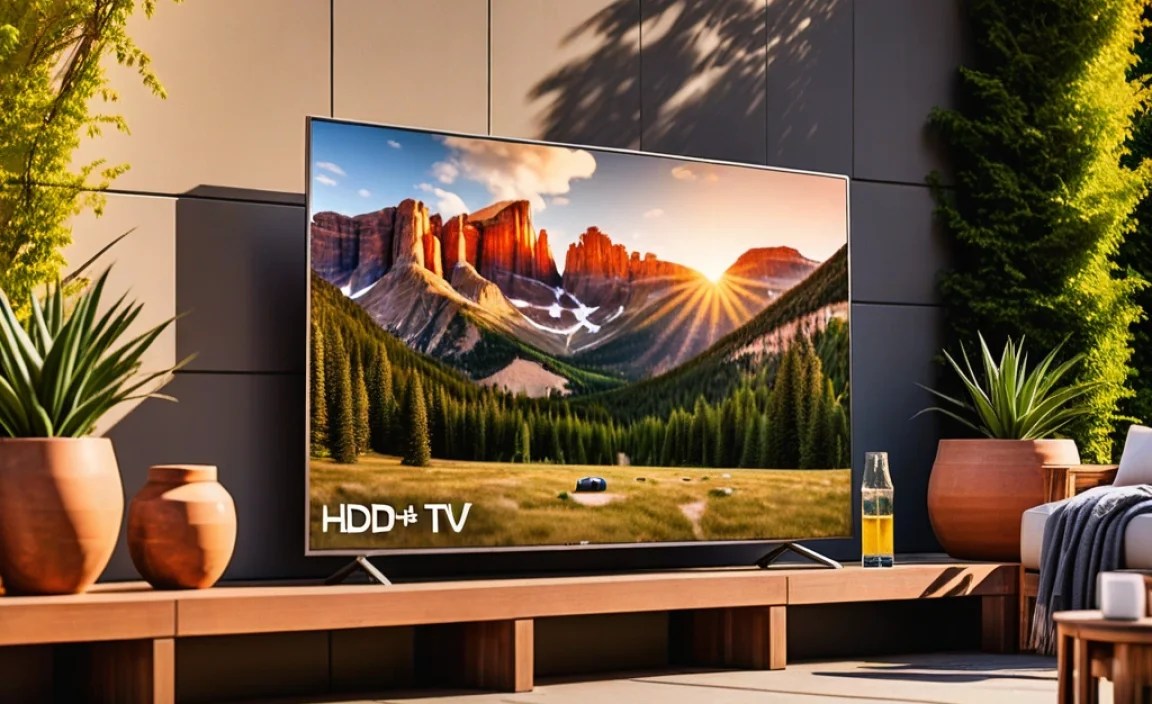
While the “best” model can depend on your budget and specific needs, here are some popular and highly-rated outdoor TV options known for their HDR performance and durability. These often come with “all-weather” or “sunlight-viewable” labels.
| Brand/Model | Brightness (Nits) | Weather Rating (IP) | Key HDR Features | Pros | Cons |
|---|---|---|---|---|---|
| SunBriteTV Pro Series | 1000+ | IP55 | HDR10, Wide Color Gamut | Excellent brightness, robust build, great for direct sun | Higher price point, can be heavier |
| Samsung Terrace Full Sun | 1000+ | IP55 | HDR10+, QLED technology | Vibrant QLED picture, smart features, good anti-glare | Can be costly, sound might benefit from external system |
| LG SP8 Series | 700-1000 | IP55 | HDR10, Dolby Vision support | Good brightness, excellent contrast and color, good smart platform | May not be as bright as top-tier direct sun models in extreme glare |
| SkyVue SPT Series | 1000-2000 | IP66 | HDR10, 4K UHD | Very high brightness, excellent weather protection, durable | Less well-known brand, premium pricing |
Note: Specifications can vary by model year and exact product line. Always check the manufacturer’s latest details before purchasing.
Installation and Setup: Making it Work
Getting your outdoor TV set up correctly is key to its longevity and performance. Here’s a general guide:
1. Choosing the Right Location
Think about the sun’s path throughout the day. Ideally, place your TV where it receives minimal direct sunlight during peak viewing hours. If that’s not possible, a shaded area (under a pergola, awning, or covered porch) is best. Consider glare from nearby reflective surfaces like pools or windows.
2. Mounting Your TV
Use a mount specifically designed for outdoor use. These are typically made of rust-resistant materials and can handle the added weight and vibration. Ensure the mount is securely attached to a strong support structure (e.g., sturdy wall, post). If you’re unsure, consult a professional installer.
3. Power and Connectivity
Weatherproof Power: Ensure your power outlet is weatherproof or use a weatherproof cover. Consider running power through conduit for added protection. Always adhere to local electrical codes. The National Electrical Code (NEC) provides guidelines for safe electrical installations.
Cable Management: Use outdoor-rated cables and enclosures to protect HDMI, Ethernet, and other connections from the elements. Many outdoor TVs have sealed compartments for connections.
Wi-Fi Signal: Ensure you have a strong Wi-Fi signal reaching your outdoor location for smart TV features and streaming. You might need a Wi-Fi extender if the signal is weak.
4. Protective Covers
Even with weatherproofing, a good quality TV cover can provide an extra layer of protection against dust, insects, and UV rays when the TV is not in use. This is especially recommended in harsh climates.
Maintaining Your Outdoor TV for Longevity
Taking a little care can significantly extend the life of your outdoor television.
- Regular Cleaning: Wipe the screen and casing with a soft, damp microfiber cloth. Avoid harsh chemicals that can damage the protective coatings. Clean out any accumulated dust or debris from vents regularly.
- Check Connections: Periodically inspect all cables and connections for signs of wear or corrosion.
- Monitor for Pests: Outdoor electronics can sometimes attract insects. Keep an eye out for any signs of infestation and address them promptly.
- Winterization (if applicable): In very cold climates where temperatures drop significantly below the TV’s operating range, consider bringing the TV indoors for the winter or ensuring it’s rated for extreme cold.
Frequently Asked Questions (FAQs)
Q1: Can I use a regular indoor TV outside?
It’s strongly advised against. Indoor TVs are not built for the temperature extremes, humidity, sun glare, or potential rain exposure that outdoor environments present. This can lead to permanent damage and void warranties.
Q2: How bright does an outdoor TV need to be for HDR?
For good HDR performance outdoors, especially in sunny conditions, aim for a TV with at least 700 nits of brightness, but 1000 nits or more is ideal for truly vibrant and visible HDR content even in daylight.
Q3: What does an “IP rating” mean for an outdoor TV?
An IP rating (Ingress Protection) tells you how well the TV is protected against solids (like dust) and liquids (like water). For example, IP55 means it’s protected against dust and low-pressure water jets from any direction. Higher numbers generally indicate better protection.
Q4: Do I need a special outdoor mount?
Yes, using a mount specifically designed for outdoor use is crucial. These mounts are built with weather-resistant materials and are designed to withstand outdoor conditions, vibration, and the weight of the TV more effectively.
Q5: Will a soundbar work well with an outdoor TV?
Generally, yes. Many outdoor TVs have Bluetooth or standard audio outputs that are compatible with soundbars. However, due to ambient noise, an external audio solution like a soundbar or outdoor speakers is often recommended for the best listening experience.
Q6: Are outdoor TVs more expensive than indoor TVs?
Yes, outdoor TVs are typically more expensive than similarly sized indoor TVs. This is due to the specialized components needed for brightness, durability, and weatherproofing, along with their usually lower production volume.
Conclusion: Your Bright, Brilliant Outdoor Entertainment Awaits
Creating your ideal outdoor entertainment space boils down to choosing the right gear. An outdoor TV specifically designed for HDR viewing transforms your backyard, patio, or deck into an extension of your living room, offering stunning visuals even when the sun is shining. Remember to prioritize brightness (aim for 1000+ nits for the best experience), robust weatherproofing (look for an IP rating), and excellent HDR performance. By selecting a TV that meets these criteria and installing it correctly, you’ll be ready for unforgettable movie nights, sports viewing parties, and casual entertainment under the open sky. Enjoy the show!